

Maintenance
Keeping Solar Output Up Through Winter
Winter output falls from short days, low sun, and haze, not the cold. Here is how to tilt, clean, and monitor your solar array to recover the loss.

Solar, decoded
Independent, hands-on guides to inverters, panels, batteries and system design, written for Indian homeowners, prosumers and DIYers.
Explore by topic
 Batteries
Adding storage changes everything about how a solar system behaves, and how much it costs. This
20 guides
Batteries
Adding storage changes everything about how a solar system behaves, and how much it costs. This
20 guides
 Inverters
 are the heart of every solar setup - the box that turns the DC your
20 guides
Inverters
Inverters are the heart of every solar setup - the box that turns the DC your
20 guides
 Maintenance
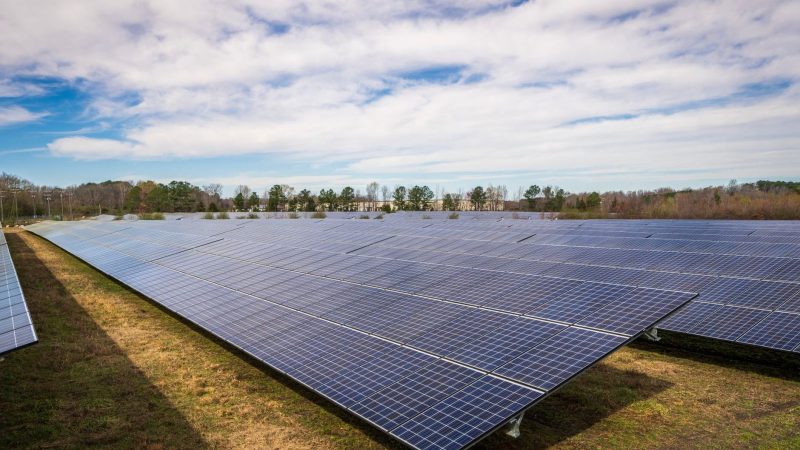
Solar is low-maintenance, not no-maintenance, and knowing what to check saves expensive call-outs. This section covers
20 guides
Maintenance
Solar is low-maintenance, not no-maintenance, and knowing what to check saves expensive call-outs. This section covers
20 guides
 Monitoring
A solar system that isn't watched is a system quietly losing money. This section is about
20 guides
Monitoring
A solar system that isn't watched is a system quietly losing money. This section is about
20 guides
 Panels
Your panels are where solar starts, but the numbers on the box only tell half the
20 guides
Panels
Your panels are where solar starts, but the numbers on the box only tell half the
20 guides
 Systems
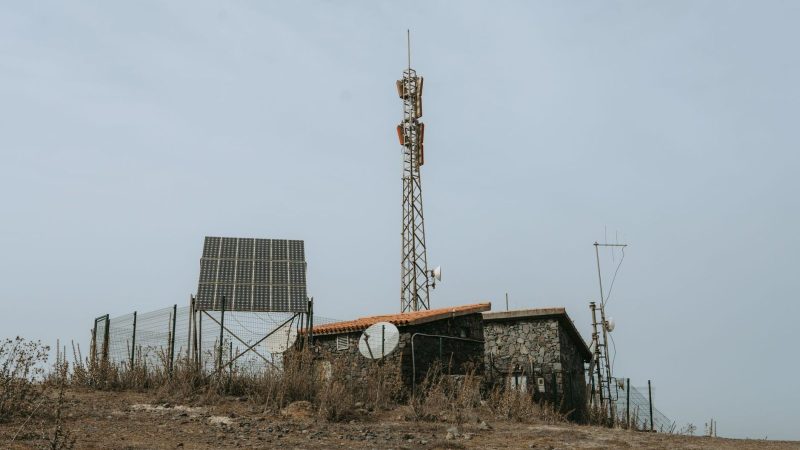
A solar system is more than a pile of components, it's a set of deliberate choices
20 guides
Systems
A solar system is more than a pile of components, it's a set of deliberate choices
20 guides
Editor's picks
Winter output falls from short days, low sun, and haze, not the cold. Here is how to tilt, clean, and monitor your solar array to recover the loss.
Fresh off the desk
Firmware quietly runs your inverter's MPPT, grid, and app behaviour. Here is what a solar inverter firmware update changes, how to do…
Birds nesting under your panels quietly cut output and cause hot spots. Here is how to seal the gap with mesh and…
Running more than one solar array? Here is how to pull every site into a single dashboard, tune alerts, and catch a…
How solar water pump systems work for homes and farms in India, with sizing rules, 2026 costs, PM-KUSUM subsidy notes, and install…
Sodium-ion or lithium for your solar battery? I compare cost, cycle life, heat tolerance, and safety, then show which chemistry fits your…
What really happens to a solar panel at the end of its life in India, plus the E-Waste Rules, EPR, and how…

Why trust us
Founder and Editor, 10+ years hands-on with residential solar
Good to know
Match the inverter to your panel array and peak load, not just your roof size. As a rule of thumb, keep the array-to-inverter ratio near 1.1 to 1.3 so you capture most of your yield without heavy clipping. Our sizing guides walk through the numbers step by step.
It depends on your tariff, how much you export, and how often the grid drops out. Batteries pay back fastest where net metering is poor or backup matters. We break down usable capacity, cycle life and real payback so you can decide with clear eyes.
String inverters are cheaper and simpler for clean, unshaded roofs. Microinverters and optimisers earn their cost on complex or partly shaded roofs by handling each panel on its own. We compare both on yield, cost and maintenance.
Most shortfalls trace back to shading, soiling, a weak string, or an inverter fault. Start with your monitoring data, compare it against expected yield, and work outward. Our troubleshooting guides cover the common fault and error codes.
Solar is low-maintenance, not no-maintenance. Plan on occasional panel cleaning, an annual visual and electrical check, and prompt attention to any alarms. A little routine care protects both your yield and your warranty.


