

Key Takeaways
- A solar water pump system pairs a PV array directly with a DC or AC pump, so it runs on sunlight with no monthly power bill and no grid dependence.
- Size the array to the pump, not the other way around. A 1 HP pump usually needs roughly 1 to 1.2 kW of panels to run a full working day.
- For most homes and small farms in India, a surface or submersible pump on a solar variable frequency drive (VFD) is the sweet spot, no battery required.
- PM-KUSUM subsidies can cover a large slice of an agricultural pump, but the paperwork and vendor empanelment matter as much as the hardware.
- Water storage in a tank is cheaper and simpler than battery storage. Pump when the sun shines, store the water, use it any time.
The first solar water pump system I ever commissioned was for a mango grower outside Nashik who was tired of running a diesel genset every afternoon. We swapped his 3 HP diesel pump for a solar submersible on a VFD, and within a week he called to say the field was getting more water than before, at zero fuel cost. That is the quiet appeal here. Sunlight peaks at midday, which is exactly when crops and overhead tanks want water. This guide walks through how these systems work, how to size one, what they cost in India, and where people get tripped up.
What a solar water pump system actually is
Strip away the marketing and it is three parts: a solar panel array, a pump controller or drive, and the pump itself. The panels feed DC power to the controller, which conditions it and runs the motor. When the sun is strong the pump runs fast. When a cloud passes, it slows down instead of tripping. No battery sits in the middle for most designs.
There are two broad families. DC pumps use a brushless DC motor and a simple controller, and they suit small jobs like a garden, a single household borewell, or livestock troughs. AC pumps use a solar VFD (also called a solar inverter for pumps) that converts panel DC into three-phase AC. AC pumps scale better for farm duty, from 2 HP up to 10 HP and beyond.
Homes vs farms: two very different jobs
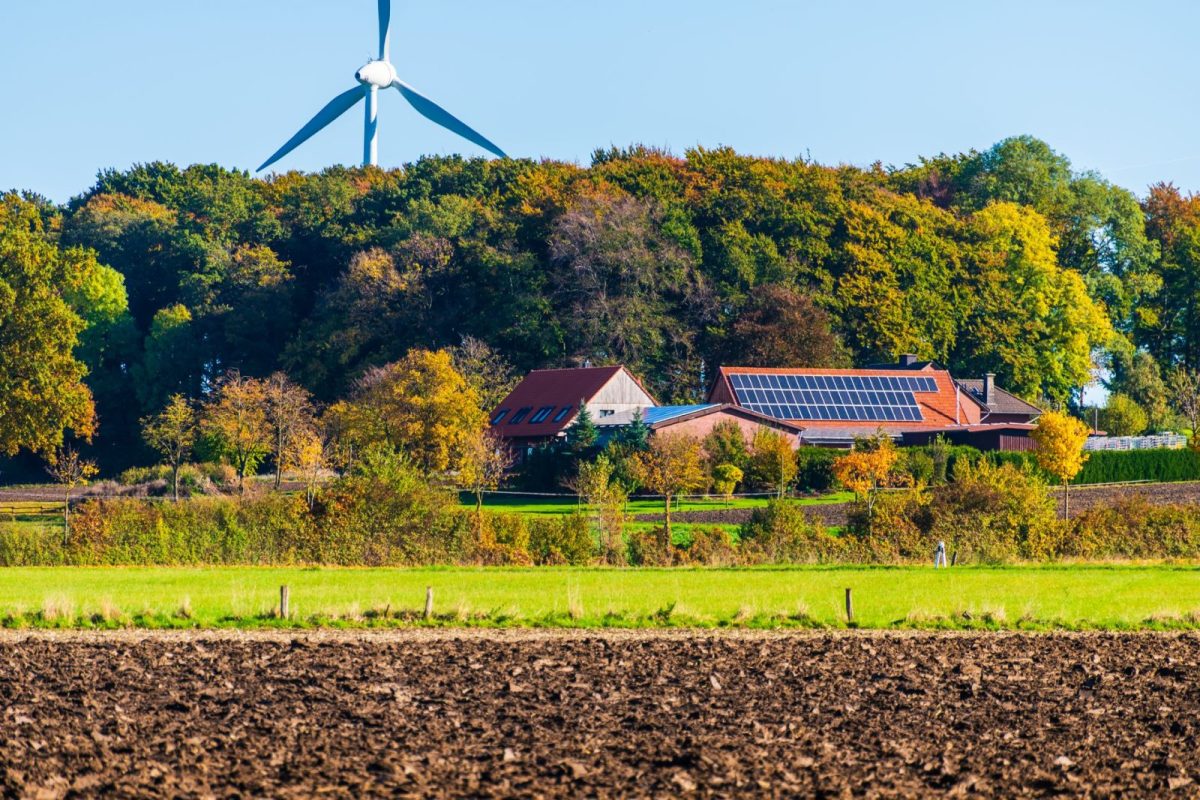
A home usually needs to lift water from a borewell or sump to an overhead tank, maybe 20 to 40 metres of total head, a few hundred litres a day. A 0.5 to 1 HP pump handles that easily. You fill the tank by lunchtime and forget about it.
A farm is a different animal. You might be lifting from a 60 metre borewell to flood-irrigate an acre, moving 40,000 to 60,000 litres in a day. That is 3 to 7.5 HP territory, and the array grows accordingly. The good news is that irrigation demand and solar output line up naturally. You want water when it is hot and sunny, and that is exactly when the panels deliver.
Why storage is usually water, not batteries
People often ask me about adding a battery so the pump runs at night. For nearly every case, do not. A tank that holds a day of water costs a fraction of a battery bank, never degrades, and has no electronics to fail. Pump during daylight, store the water up high or in a tank, and gravity does the rest. Batteries only make sense for pressurised systems that must run on demand around the clock, which is rare for pumping.
Tip: Size your storage tank to hold at least one full day of water demand. On a cloudy day the pump still runs, just slower, and a day of buffer means you rarely notice the dip.
How to size the array to the pump
Sizing a solar water pump system runs backwards from a normal rooftop job. Start with the pump you need, then build the array to feed it. The rough rule I use on site: for every 1 HP of pump, plan on 1 to 1.2 kW of panels to get a solid working day of output. Under-panel it and the pump only reaches full speed for an hour or two around noon.
The two numbers that decide the pump itself are head and flow. Head is the vertical lift plus friction losses in the pipe. Flow is how many litres per hour or per day you need. A pump curve ties them together: more head means less flow from the same pump. Get your water table depth and daily requirement right first, because everything downstream depends on them.
| Pump size | Typical use | Panel array | Approx daily water at 30 m head |
|---|---|---|---|
| 0.5 HP DC | Home borewell, garden | 500-600 W | 8,000-12,000 L |
| 1 HP AC/DC | Home + small plot | 1-1.2 kW | 18,000-25,000 L |
| 3 HP AC (VFD) | Small farm, 1 acre | 3-3.5 kW | 50,000-70,000 L |
| 5 HP AC (VFD) | Farm irrigation | 5-6 kW | 90,000-120,000 L |
| 7.5 HP AC (VFD) | Large farm, deep bore | 7.5-9 kW | 140,000-180,000 L |
Those water figures are ballpark and drop sharply as head increases. At 60 metres of head a 5 HP pump might deliver half the flow it does at 30 metres. Always ask your supplier for the pump curve at your actual head before you commit. Sizing the whole system correctly is the same discipline that goes into any grid or off-grid build, which I cover in the broader guide to designing a solar system.
What it costs in India, and the subsidy angle
As a rough 2026 guide, a 1 HP home solar pump kit with array, controller, and pump lands around ₹55,000 to ₹85,000 installed. A 3 HP farm system runs roughly ₹1.8 to ₹2.6 lakh, and a 5 HP system ₹2.8 to ₹4 lakh depending on panel brand, pump quality, and mounting. Ground-mount structures and cabling add to the farm figures, which is why I usually plan the array layout the same way you would for any ground-mount solar system.
For agricultural pumps, the big lever is PM-KUSUM. Under its components, farmers can get central and state subsidy support that often covers 60 percent or more of a standalone solar pump, with the farmer paying a much smaller share. The catch is process. You apply through your state nodal agency, use empanelled vendors, and the approved capacities are fixed. It is worth reading the official scheme details on the MNRE website before you approach a vendor, so you know what you are entitled to.
Warning: Borewell and submersible pump work involves mains-voltage wiring, DC array voltages above 400 V on larger systems, and heavy equipment lowered into a deep shaft. Do the array and pump commissioning with a qualified installer. A wet borewell head and exposed DC conductors are a serious shock and arc risk.
Installing one: the practical steps
The order of work matters. Here is the sequence I follow on a typical farm pump job.
- Measure the borewell: static water level, drawdown while pumping, and total depth. This sets your head and pump choice.
- Calculate daily water demand for the crop or household, then pick the pump from its curve at your real head.
- Size the array to 1 to 1.2 kW per HP and choose a controller or VFD rated for that pump.
- Build the ground-mount structure facing true south, tilted near your latitude, with clear space so panels never shade each other.
- Lay DC cabling with correctly rated conductors, a DC isolator, and surge protection between array and drive.
- Lower the pump, connect the motor cable, and set the VFD parameters for the motor rating and dry-run protection.
- Commission at midday, check the flow at full sun, and confirm the dry-run and over-voltage cutoffs actually trigger.
That dry-run protection is not optional. If the borewell yield drops and the pump runs dry, it can burn out in minutes. A good solar VFD senses the load and shuts off before damage. Once running, treat it like any PV asset: keep panels clean, watch output, and act on any drop. The same maintenance mindset that helps extend a solar system's lifespan applies to a pump array too.
Where solar pumps fit alongside rooftop subsidy schemes
Solar pumps sit under a different scheme from rooftop home solar. If you are a homeowner weighing both, note that PM-KUSUM covers agricultural pumps while rooftop generation for your house falls under a separate programme. I explain that residential side in the walkthrough of the PM Surya Ghar rooftop subsidy. Some farm households qualify for both: a subsidised pump for the field and a subsidised rooftop system for the home.
For a deeper look at how central schemes are structured and funded, the wider policy context on distributed solar is useful background, though always confirm the current Indian numbers with your state agency.
Frequently Asked Questions
Do solar water pumps work on cloudy days?
Yes, but at reduced output. On an overcast day the array produces less power, so the pump runs slower and moves less water. A storage tank sized for a full day of demand covers the dip, which is why water storage beats battery storage for pumping.
Can I run my existing pump on solar?
Sometimes. A standard three-phase AC pump can often run from a solar VFD without replacement, which saves money. Single-phase and older motors may not pair cleanly. Have an installer check the motor rating and condition before assuming your current pump will work on a solar drive.
How long does a solar pump system last?
Panels typically carry 25 year performance warranties. The pump and motor usually last 8 to 12 years with clean water, and the VFD or controller around 8 to 10 years. Sandy or corrosive water shortens pump life, so a good sediment setup and dry-run protection pay for themselves.
What size solar pump do I need for one acre?
For roughly one acre with moderate head, a 3 HP pump on a 3 to 3.5 kW array is a common starting point, delivering around 50,000 to 70,000 litres a day at 30 metres head. Crop type, soil, and borewell depth shift this, so size from your actual water requirement.
Is a battery ever worth adding to a solar pump?
Rarely. Batteries add cost and maintenance, and a tank stores water far more cheaply. The exception is a pressurised supply that must run on demand at night, such as certain drip or domestic pressure setups. For irrigation and tank filling, skip the battery.
Getting started
A solar water pump is one of the most satisfying solar projects you can do, because the payback is so tangible: free water, every sunny day, with almost nothing to maintain. Start by measuring your borewell and your real daily water need, then size the pump and array to match. If you want to ground your numbers in a full system-design approach before you buy, walk through my guide to designing a solar system and bring those figures to your installer.