


Key Takeaways
- A crystalline silicon panel is roughly 90 percent recoverable by weight, and most of that is glass and aluminium.
- India's E-Waste (Management) Rules, 2022 brought solar PV modules under Extended Producer Responsibility for the first time, effective April 2023.
- Panels usually retire from damage or degradation, not a fixed 25-year cutoff.
- Reselling or reusing a working panel beats recycling it, and recycling beats sending glass and metal to a landfill.
- Keep your purchase invoice and warranty papers. They decide whether a failed panel is the maker's problem or yours.
A solar panel that has spent 25 years on a roof does not simply vanish when you take it down. Solar panel recycling is the part of the story most installers skip, and in India it is only now getting real rules behind it. I have pulled cracked modules off rooftops in Pune and watched homeowners assume the local scrap dealer would "handle it." That is rarely what happens. This guide covers what actually reaches a panel at the end of its life, what the law now expects, and the practical choices you have when your array finally retires.
When a panel actually reaches end of life
The number everyone quotes is 25 years, because that is the length of most power output warranties. But a panel does not fail like a light bulb. It fades. A good module loses around 0.5 percent of its output every year, so after 25 years it is still producing close to 85 percent of its original rating. Plenty keep working well past that.
In practice, most panels I have removed did not die of old age. They died of hail cracks, hot spots that cooked a cell, water creeping in behind a failed backsheet, or a roof that needed re-waterproofing and forced the whole array to come down. If you want to understand how slow fade shows up in real data, I wrote about tracking my own panels' degradation over three years. And before you scrap anything, check whether the fault is covered, because a product versus power warranty can decide who pays for the replacement.
What is actually inside a panel
To understand recycling, you have to know what you are pulling apart. A standard crystalline silicon module is mostly glass and an aluminium frame by weight. The valuable bits, silver and copper, are a tiny fraction. The hard part is the plastic layer, the EVA encapsulant and backsheet, that glues everything together and refuses to let go.
| Material | Approx. share by weight | Recovery difficulty |
|---|---|---|
| Glass (front sheet) | 65-75 percent | Easy once delaminated |
| Aluminium frame | 8-12 percent | Easy, unbolted first |
| Polymer (EVA, backsheet) | 8-12 percent | Hard, usually burned or shredded |
| Silicon cells | 3-5 percent | Moderate |
| Copper (wiring, ribbons) | about 1 percent | Moderate |
| Silver, tin, lead | under 0.1 percent each | Hard, needs chemical steps |
Because glass and aluminium dominate, a well-run recycler can recover around 90 percent of a panel's mass fairly easily. The economics only get tight when you chase the silver and high-purity silicon, which need chemical or thermal processing. Panel construction affects this too. Newer designs, including half-cut cell panels, change the cell layout but not the basic recycling problem, which is separating glass from that stubborn polymer layer.
The rules in India: EPR arrives for solar
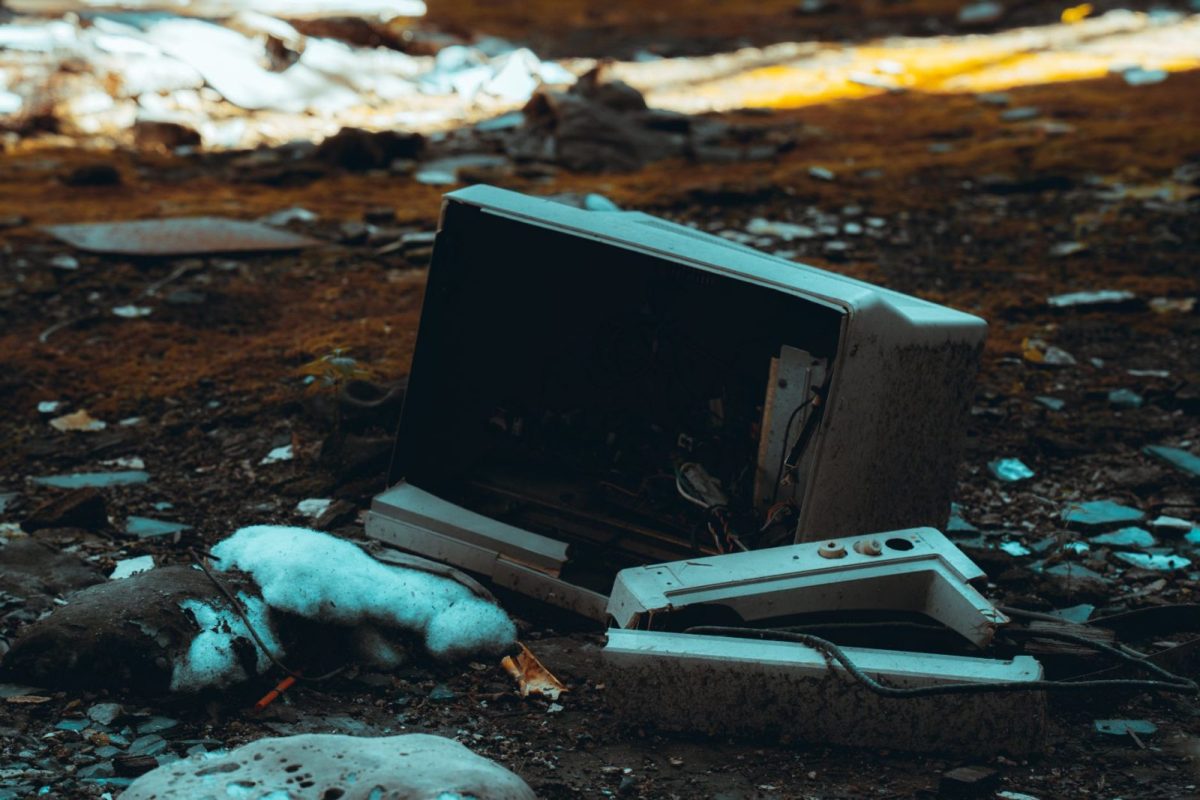
For years, a dead solar panel in India had no clear legal home. It fell through the cracks between construction debris and generic e-waste. That changed with the E-Waste (Management) Rules, 2022, which came into force on 1 April 2023 and, for the first time, listed solar photovoltaic modules, panels, and cells in the schedule of covered products.
The mechanism is Extended Producer Responsibility, or EPR. In plain terms, the company that made or imported the panel is now responsible for collecting and recycling it at end of life, not you. Producers must register on the Central Pollution Control Board portal, report the volumes they put on the market, and account for the waste that comes back. There is a transitional window where producers store and record solar waste before full recycling targets bite, which reflects how little of this material has actually retired yet.
The Ministry of New and Renewable Energy has also flagged PV waste as a policy priority as installations scale. You can read the framework directly from MNRE and the rules themselves from the Central Pollution Control Board. The short version for a homeowner: the maker owns the end-of-life problem, but only if the panel reaches a registered channel instead of a scrap cart.
How solar panel recycling actually works
A basic mechanical recycling line, the kind most economical for volume, runs roughly like this.
- Remove the aluminium frame and the junction box by hand or machine. These come off cleanly and go straight to metal recovery.
- Shred or crush the laminate, the glass-cell-polymer sandwich that is left.
- Separate the fractions by size, density, and sometimes electrostatics, pulling out glass cullet, metal bits, and silicon fragments.
- Send the glass cullet to glass manufacturing, and the mixed metals to a smelter.
- For higher recovery, run chemical or thermal steps to strip the encapsulant and refine silver, copper, and pure silicon.
The last step is where most Indian operators stop, because recovering silver and wafer-grade silicon is expensive and only pays off at scale. That is fine environmentally, the bulk of the material is still diverted from landfill, but it means the highest-value elements often are not fully captured yet.
Second life comes before recycling
Tip: A panel that still makes 80 percent of its rated power is not waste, it is a used product. Working modules pulled during an upgrade sell well for off-grid sheds, farm pumps, and small backup setups. I have handed decade-old 250 W panels to a farmer for a borewell pump, and they ran fine. Recycle the broken ones, resell the healthy ones.
This is the order that keeps the most value and does the least harm: reuse a working panel, repair a repairable one, recycle what is genuinely dead, and treat landfill as failure. A quick output test with a clamp meter or a portable I-V tester tells you which pile a panel belongs in.
What to do when your own panels retire
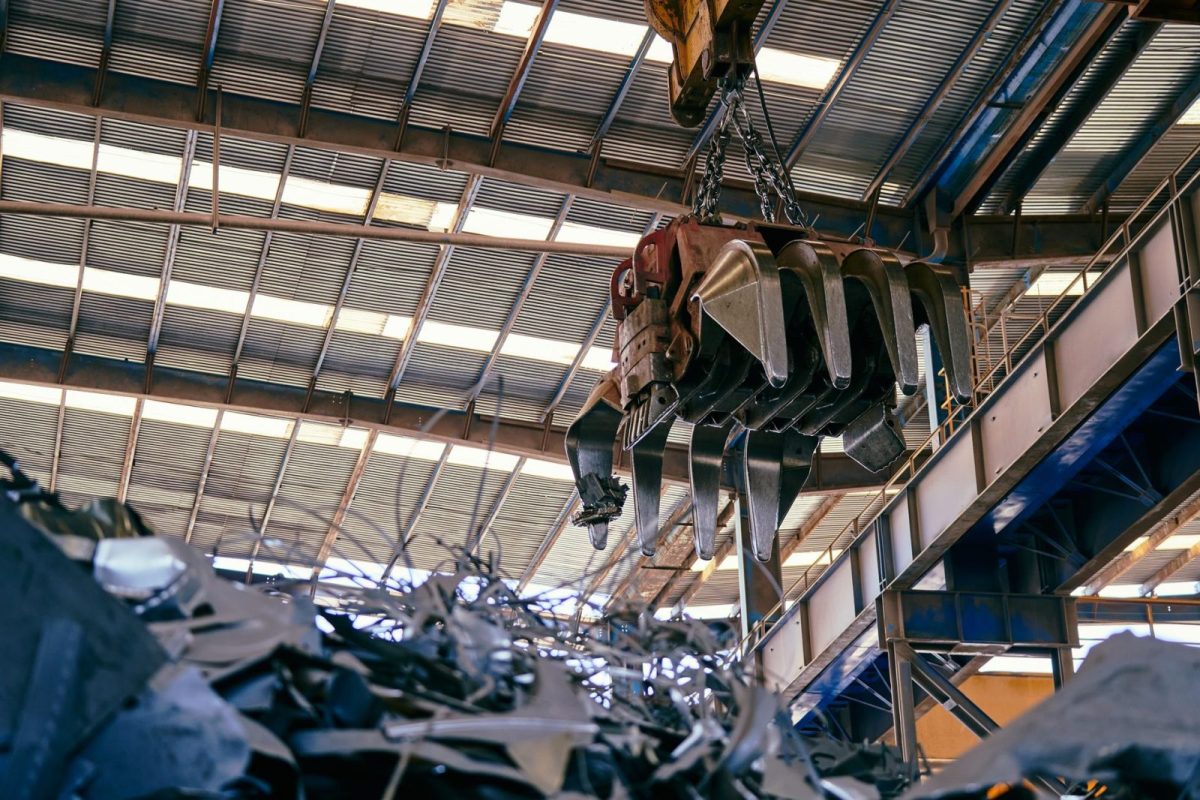
Here is the sequence I give homeowners in India when an array comes down.
- Check the warranty and invoice first. A panel that failed inside its term may be a free replacement.
- Test each module. Separate the working ones for resale from the truly dead ones.
- Contact the manufacturer or your installer about a take-back. Under EPR, larger producers now have collection obligations.
- If there is no take-back, use a CPCB-registered e-waste dismantler or recycler, not a roadside scrap dealer.
- Keep the paperwork from whoever collects them, so there is a record the material was handled properly.
Safety warning: A solar panel makes DC voltage whenever light hits it, even a cracked one lying in a yard. Before removing modules, switch off the DC isolator, and treat every panel as live. Roof work adds fall risk on top of that. If you are not trained for rooftop electrical work, hire a qualified installer to take the array down rather than doing it yourself.
How big is India's solar waste problem
Right now it is small, because India's solar boom is recent and most panels installed in the last decade are still on roofs. That is exactly why the storage window in the rules exists. The wave is coming, though. Global studies from NREL and IRENA project tens of millions of tonnes of PV waste worldwide by 2050, and India, with one of the fastest-growing installed bases, will hold a large share of it.
Indian policy researchers have estimated cumulative PV waste in the hundreds of thousands of tonnes by 2030, rising sharply after that as today's rooftop systems retire in the 2040s. The recycling capacity to match simply is not built yet. A handful of dedicated PV recyclers exist, and most end-of-life panels still flow into the informal glass and metal trade. Building that infrastructure now, while volumes are low, is the whole point of bringing solar under EPR early.
Frequently Asked Questions
Can a solar panel be fully recycled?
Almost. A crystalline silicon panel is around 90 percent recoverable by weight, mostly glass and aluminium, using standard mechanical recycling. Recovering the last bit, the silver and high-purity silicon, needs chemical or thermal steps that are more costly and less common in India today.
Is it legal to throw old solar panels in the trash in India?
No. Since the E-Waste (Management) Rules, 2022 took effect in April 2023, solar PV modules are classified e-waste. They must go through registered collection and recycling channels, not general waste or roadside scrap dealers. The producer carries the main responsibility under EPR.
Who pays to recycle my old panels?
Under Extended Producer Responsibility, the manufacturer or importer is responsible for end-of-life collection and recycling, not the homeowner. In practice you may still need to arrange transport to a collection point. Ask your installer or the panel maker about their take-back process.
Should I recycle or resell a working used panel?
Resell it. A module still producing 80 percent or more of its rated power has real value for off-grid and backup use. Reuse keeps far more value and energy than recycling. Only recycle panels that are physically broken or have failed electrically.
Planning for the full life of your system
End of life is not a reason to hesitate over solar, it is just one more part of owning it well. Buy quality panels, keep your paperwork, run them for their full life, and route them through the right channel when they retire. For the full picture, from choosing modules to caring for them, start with our complete guide to solar panels and plan your system with the last day in mind, not just the first.