


Key Takeaways
- Most lithium and lead-acid batteries are happiest between 15 and 25 degrees C. Push past 35 and life falls fast.
- Roughly every 8 to 10 degrees C above 25 can halve a battery's calendar life, so an Indian summer in an unventilated box does real damage.
- Cold is a different problem: charging lithium below 0 degrees C causes permanent plating, and capacity drops in the cold even if the cells stay safe.
- LFP (LiFePO4) tolerates Indian heat better than NMC, while lead-acid needs temperature-compensated charging to survive summer.
- Placement, shade, and airflow matter more than any spec sheet. A cooler, ventilated spot can add years for zero rupees.
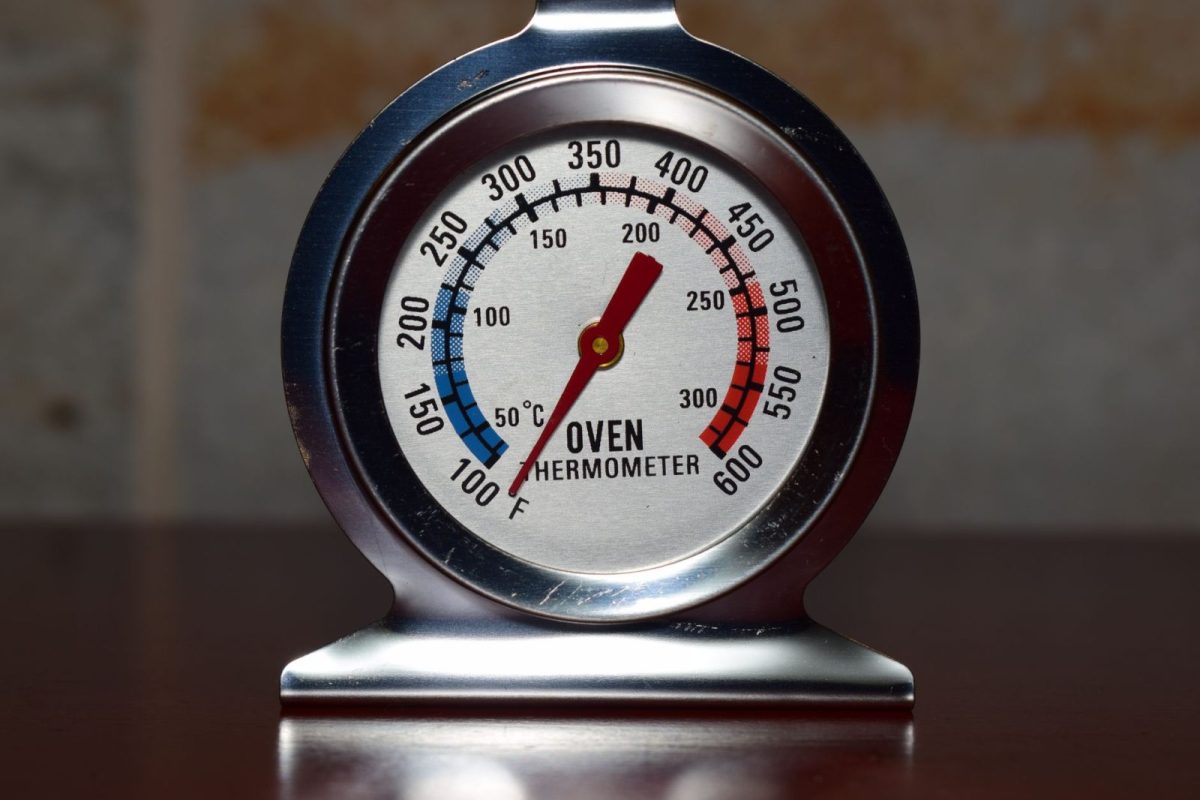
Solar battery temperature is the quiet variable that decides whether your storage lasts four years or twelve. I learned this the slow way after mounting my first lead-acid bank inside a sealed metal cabinet on a west-facing wall. By the second summer the pack had lost noticeable capacity, and a cheap thermometer told the story: the cabinet was running 12 degrees C hotter than the room outside it. Heat, cold, and the swings between them all pull at the chemistry inside every cell. Get the temperature right and a good battery quietly overdelivers. Get it wrong and even a premium pack ages before its time.
Why batteries care about temperature at all
A battery is a controlled chemical reaction. Temperature is the throttle on that reaction, and it pushes in two directions at once. Warmer cells react faster, which can look like a small capacity bump on a hot day, but that same speed also accelerates the side reactions that wear a battery out. Colder cells react sluggishly, so you get less usable energy and higher internal resistance right when you may want the power most.
The rule of thumb worth memorising comes from basic reaction chemistry, sometimes called the Arrhenius relationship: for every 8 to 10 degrees C rise above 25, the rate of degradation roughly doubles. A pack rated for a comfortable lifespan at 25 degrees C can lose half of that if it lives at 35, and half again nearer 45. In much of India, 45 degrees C ambient is a normal May afternoon, and inside a closed enclosure the cells can sit even hotter.
Heat: the fast, invisible killer
Heat is the damage most Indian owners underestimate because it hides. There is no dramatic failure on a hot day. Instead the pack quietly loses a percent here and a percent there, and two summers later you notice the backup runs short. Three things speed up when a battery gets hot: self-discharge, electrolyte breakdown or drying, and growth of the internal film that steals capacity from lithium cells.
Lead-acid tubular batteries, still the default in many Indian homes, lose water faster in heat and can dry out if you skip topping up. Lithium chemistries do not boil off electrolyte, but sustained heat above roughly 45 degrees C ages the cells and, at real extremes, raises the risk of thermal events. This is exactly why a good battery management system watches cell temperature and will throttle charging or cut the pack off before things get dangerous.
Warning: Never charge a lithium battery when its cells are below 0 degrees C. It causes lithium plating, which is permanent and can create internal shorts. Most quality battery management systems block cold charging automatically, but if you build a DIY pack, confirm this protection exists before the first winter. Any work on battery terminals, DC wiring, or mains connections carries shock and arc risk, so isolate the system and treat every conductor as live.
Cold: less common in India, still worth knowing
Most of India rarely sees freezing temperatures, but if you run solar in the hills, in Ladakh, or in a north Indian winter, cold behaviour matters. As cells cool, their internal resistance climbs and the usable capacity shrinks. A lithium pack can lose 20 to 30 percent of its available capacity near 0 degrees C, even though the cells are undamaged. Warm the pack back up and that capacity returns.
Charging is the real trap. Discharging in the cold is usually fine down to roughly minus 20 degrees C, but charging below freezing plates lithium onto the anode and does lasting harm. Lead-acid dodges the plating problem but freezes solid when deeply discharged in real cold, which cracks the case. If your winters bite, insulate the battery box or bring it indoors rather than trusting the spec sheet.
How the main chemistries compare
Not every battery reacts to temperature the same way. If you are still choosing, the temperature story is a genuine reason to prefer one chemistry over another, and it pairs closely with how each type handles LFP, NMC, and lead-acid trade-offs overall. The table below shows the practical windows most manufacturers publish.
| Chemistry | Ideal operating range | Charge limit (safe) | Heat tolerance | Cold behaviour |
|---|---|---|---|---|
| LFP (LiFePO4) | 15 to 35 C | 0 to 45 C | Best of the three for Indian summers | Blocks charging below 0 C; discharge to about -20 C |
| NMC lithium | 15 to 30 C | 0 to 45 C | Good, but ages faster than LFP when hot | Same cold-charge block; slightly better cold capacity |
| Lead-acid (tubular) | 20 to 27 C | Up to about 50 C with compensation | Survives heat but loses water and life quickly | Freezes when deeply discharged; capacity drops sharply |
For a rooftop system in Delhi, Jaipur, or Chennai, LFP is the sensible default precisely because it shrugs off heat better and does not lose water. Lead-acid can still make sense on a tight budget, but only if you commit to temperature-compensated charging and a genuinely cool, ventilated spot.
The link between temperature and battery life
Heat does not just cut capacity today, it eats into the number of cycles you will ever get. A pack rated for 6,000 cycles at 25 degrees C might deliver far fewer if it spends its life at 40. That is why the warranty fine print almost always specifies a reference temperature, and why real-world results diverge from the brochure. If cycle counts and warranty terms matter to your payback maths, it is worth reading how cycle life and warranty terms actually work before you buy.
Temperature also interacts with how deeply you cycle the pack. A hot battery run to a deep discharge every day ages on two fronts at once. Keeping a little headroom, which ties into your chosen depth of discharge and usable capacity, gives the cells an easier life when the mercury climbs.
Keeping your battery in the sweet spot
The good news is that placement fixes most temperature problems for free. When I moved my bank from that sealed wall cabinet to a shaded, ventilated ground-floor utility room, the resting cell temperature dropped by about 6 degrees C, and the capacity fade slowed noticeably over the following year. Here is the routine I now recommend to anyone installing storage in a hot climate.
- Site the battery indoors or in genuine shade, never on a sun-baked wall or a metal rooftop box that acts like an oven.
- Leave air gaps around and above the pack. Trapped heat is the enemy, so a small vent or a low-speed fan in a closed room pays for itself.
- Keep the pack off hot floors and away from the inverter, which throws its own heat during the day.
- Enable temperature-compensated charging on lead-acid systems so the charger lowers voltage as cells warm. Most modern lithium packs handle this internally.
- Watch cell temperature through your monitoring app, not just voltage. A rising resting temperature is an early warning worth acting on.
- In cold regions, insulate the enclosure and make sure charging is blocked below freezing.
Tip: A 200 rupee digital thermometer or a spare temperature sensor taped to the battery casing is the cheapest life-extending upgrade you can make. Log the reading on the hottest afternoon of the year. If it sits above 40 degrees C, improving airflow or moving the pack will likely add years to its service life.
What the standards and research say
None of this is folklore. Battery ageing research from the US National Renewable Energy Laboratory repeatedly shows temperature as one of the strongest drivers of lithium degradation, alongside high states of charge. For grid-connected home systems in India, the incentives and technical guidelines published by the Ministry of New and Renewable Energy assume equipment installed and operated within its rated conditions, and battery temperature is very much part of that. Treating the manufacturer's temperature window as a hard limit, not a suggestion, is how you keep both the warranty and the performance intact.
Frequently Asked Questions
What is the ideal temperature for a solar battery?
Most lithium and lead-acid batteries perform best between 15 and 25 degrees C. Short excursions are fine, but sustained operation above 35 degrees C shortens life quickly, and charging below 0 degrees C can permanently damage lithium cells.
Does heat reduce solar battery capacity?
Heat can slightly raise usable capacity on the day, which fools people, but it accelerates ageing underneath. The net effect over months and years is faster capacity loss, so a hot battery ends up smaller and weaker sooner than a cool one.
Is it safe to keep a lithium battery outdoors in India?
Only if it stays shaded and ventilated. Direct sun and sealed metal boxes push cell temperatures well past safe limits during Indian summers. A shaded outdoor cabinet with airflow can work, but an indoor room is almost always cooler and kinder to the cells.
Why should I not charge a battery in the cold?
Charging lithium below 0 degrees C causes metallic lithium to plate onto the anode instead of intercalating normally. This is permanent, reduces capacity, and can create internal shorts. Discharging in the cold is generally safe; it is charging that does the harm.
Which battery chemistry handles Indian heat best?
LFP (LiFePO4) is the most heat-tolerant common option and holds up better than NMC in prolonged summer conditions. Lead-acid can survive heat but loses water and life quickly, so it needs temperature-compensated charging and a cool, ventilated location to last.
Putting it to work
Temperature is one of the few battery variables you can control after the sale, and it costs almost nothing to get right. Choose a heat-tolerant chemistry, give the pack shade and airflow, keep an eye on the cell temperature through the year, and you will likely outlast the warranty rather than limp toward it. If you are still weighing which battery to buy and how to run it, our complete guide to solar batteries walks through sizing, chemistry, and lifespan so your storage is ready for whatever the season throws at it.