


Key Takeaways
- Winter solar performance drops mostly from shorter days, a low sun angle, and haze, not from the cold itself. Cold panels actually convert sunlight more efficiently.
- Steepening a fixed tilt to roughly your latitude plus 10 to 15 degrees can recover a useful slice of December and January output.
- Dew mixed with dust forms a sticky film that regular monsoon rain will not wash off, so winter cleaning matters more than most owners expect.
- Cold mornings push string voltage up. Check your panel Voc against the inverter's maximum input so a January dawn does not trip a fault.
- Track daily generation against a realistic winter baseline rather than a summer one, so a real problem stands out from a normal seasonal dip.
Every December I get the same worried phone calls. A system that pushed 22 units a day in October is now scraping 14, and the owner is convinced a panel has failed. Nine times out of ten nothing is broken. Weak solar performance in winter is the array behaving exactly as physics says it should, and once you understand the three real culprits, you can claw a good chunk of that lost energy back. This post walks through what genuinely drags winter output down in Indian conditions, what to ignore, and the specific adjustments that pay off between November and February.
Why winter output really drops (and what does not matter)
The single biggest factor is daylight. A Delhi rooftop gets close to 13.5 hours of usable sun in June and barely 10.5 in late December. Fewer hours means fewer units, full stop. On top of that, the sun sits low in the southern sky, so its light passes through more atmosphere and strikes flat-mounted panels at a shallow, inefficient angle.
The second factor is haze. North Indian winters bring fog, smog, and crop-burning smoke that scatter sunlight before it ever reaches your roof. Some January mornings in the Gangetic plain lose a third of their potential irradiance to grey sky alone. The third factor is soiling, which I will cover in its own section because it is the one you can fix fastest.
Cold is your friend, not your enemy
Here is the part that surprises people. Solar panels are rated at a cell temperature of 25 degrees Celsius, and they lose roughly 0.34 to 0.40 percent of their power for every degree above that. A rooftop panel in a Nagpur May afternoon can run at 60 degrees and quietly bleed 12 to 14 percent of its rated output as heat loss. A crisp 10 degree January morning does the opposite: the panel runs cooler than its rating and converts each ray of sunlight slightly better. The cold is not the problem. The missing sunlight is.
| What changes in winter | Effect on output | Can you fix it? |
|---|---|---|
| Shorter daylight hours | Large reduction | No, but plan loads around midday |
| Low sun elevation angle | Moderate reduction | Yes, steepen the tilt |
| Fog, smog, haze | Variable, sometimes large | No, but clean glass helps capture what gets through |
| Dew plus dust soiling | 5 to 15 percent | Yes, clean more often |
| Cold cell temperature | Small gain | Nothing needed, it helps you |
| Longer morning shadows | Moderate on affected strings | Yes, trim or re-route |
Tilt the panels for the low winter sun
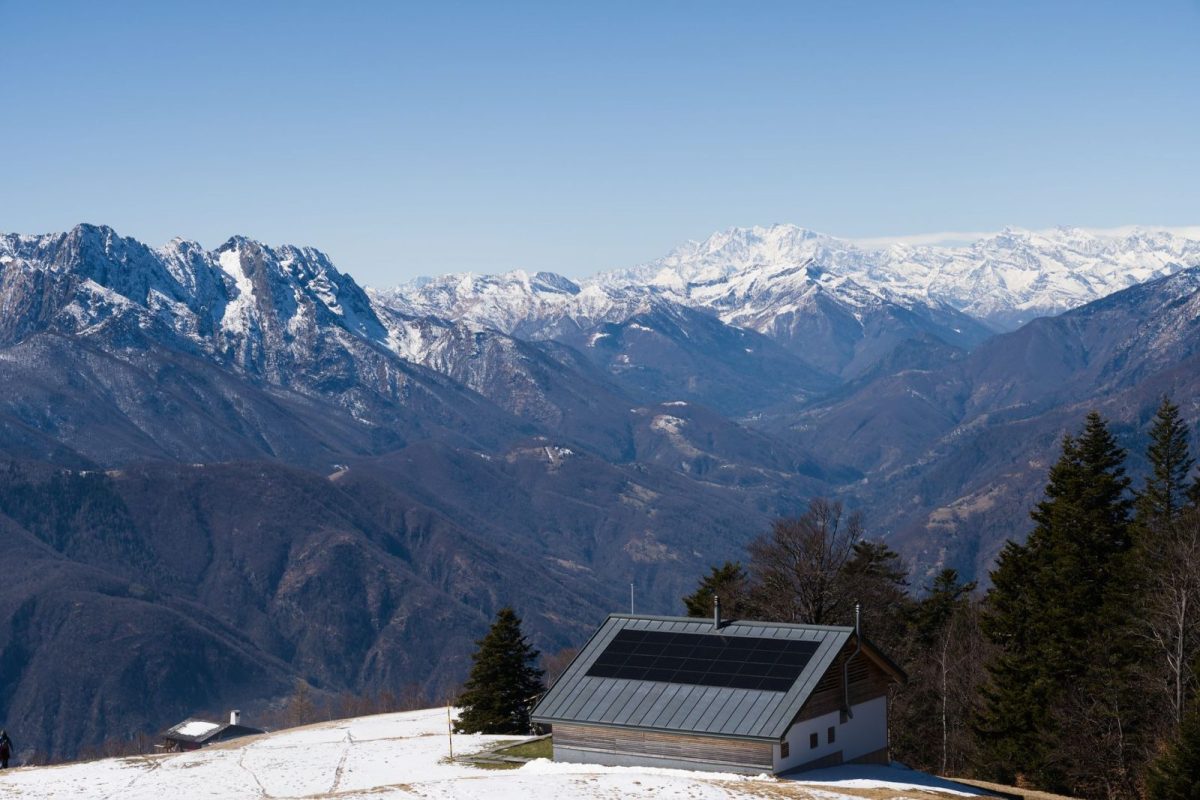
Most fixed rooftop arrays in India are set at a tilt close to the local latitude, which is a fair year-round compromise. In winter the sun tracks low across the south, so a steeper tilt catches its rays more squarely. A useful rule is winter tilt equals your latitude plus about 15 degrees. If your mounting frame has adjustable legs or seasonal holes, a single change in late November and another in late February is worth the ladder trip.
| City (approx latitude) | Year-round tilt | Winter tilt |
|---|---|---|
| Chennai (13 N) | 13 degrees | 26 to 28 degrees |
| Hyderabad (17 N) | 17 degrees | 30 to 32 degrees |
| Mumbai / Pune (19 N) | 19 degrees | 32 to 34 degrees |
| Ahmedabad (23 N) | 23 degrees | 36 to 38 degrees |
| Delhi (28 N) | 28 degrees | 42 to 43 degrees |
| Chandigarh (30 N) | 30 degrees | 44 to 45 degrees |
If your panels are bolted flush to a sloped roof and cannot move, do not despair. The tilt gain is real but modest, usually a few percent across the winter months. Spend your energy on the two things that move the needle harder: clean glass and clear shadows.
Keep the glass clean through fog and dew
Winter soiling is sneaky because it does not look like the thick dust of summer. Overnight dew settles on the glass, fine airborne dust sticks to that damp surface, and by mid-morning it dries into a thin, even film. That film is nearly invisible from the ground, yet it can shave 5 to 15 percent off generation and rain will not shift it the way it does loose summer dust.
One January in Dehradun I was called out for a system the owner swore had died overnight. Output had halved. There was no fault, no tripped breaker, nothing on the inverter log. It was a grey band of dew-glued dust across the bottom row of cells, dense enough that those cells were dragging the whole string down. Two buckets of water and a soft squeegee later, the system was back to normal. Bottom rows collect the worst of it because water runs down and pools there before evaporating.
Clean early, before the day heats the glass, using plain water and a soft brush or squeegee. Never pour cold water on hot midday glass, and skip detergents that leave a residue. If you are already up there, it is a sensible moment to check for droppings and nesting, which is why some owners pair winter cleaning with bird-proofing the array in the same session.
Tip: Winter shadows are longer than summer ones because the sun sits lower. A parapet wall, water tank, or neighbour's new floor that never touched your panels in June can clip a string for two hours every winter morning. Walk the roof at 9 am in December and note anything casting a shadow onto the glass.
Snow and frost in the hills
For readers in Himachal, Uttarakhand, Kashmir, and the higher reaches of the Northeast, snow is a genuine variable. A dusting usually slides off a tilted panel within a day as the dark glass warms, and steeper winter tilts help it shed faster. A heavy, wet layer is different. It can sit for days, block generation entirely, and add real weight to the mounting structure.
Safety warning: Never climb onto an icy roof to clear snow, and never use a metal tool, shovel, or pressure washer on the glass. A single scratch or a cracked cell can wreck a panel and void the warranty. Clear snow only from a stable ladder or the ground with a soft foam snow rake, working downward, and keep well clear of the DC cabling. If in doubt, wait a day and let the sun do it. No units of electricity are worth a fall.
Watch the electrical side too
Cold does one thing you must respect: it raises panel voltage. Open-circuit voltage climbs by roughly 0.28 to 0.30 percent for every degree below 25 Celsius. A panel rated at 41 volts Voc can sit closer to 46 volts on a frosty pre-dawn morning, and a full string of them can approach or exceed an inverter's maximum DC input. This is why a properly designed string leaves headroom for record local lows. If your system was sized tight and you see fault trips on the coldest mornings, have the string voltage checked against the inverter's rated ceiling.
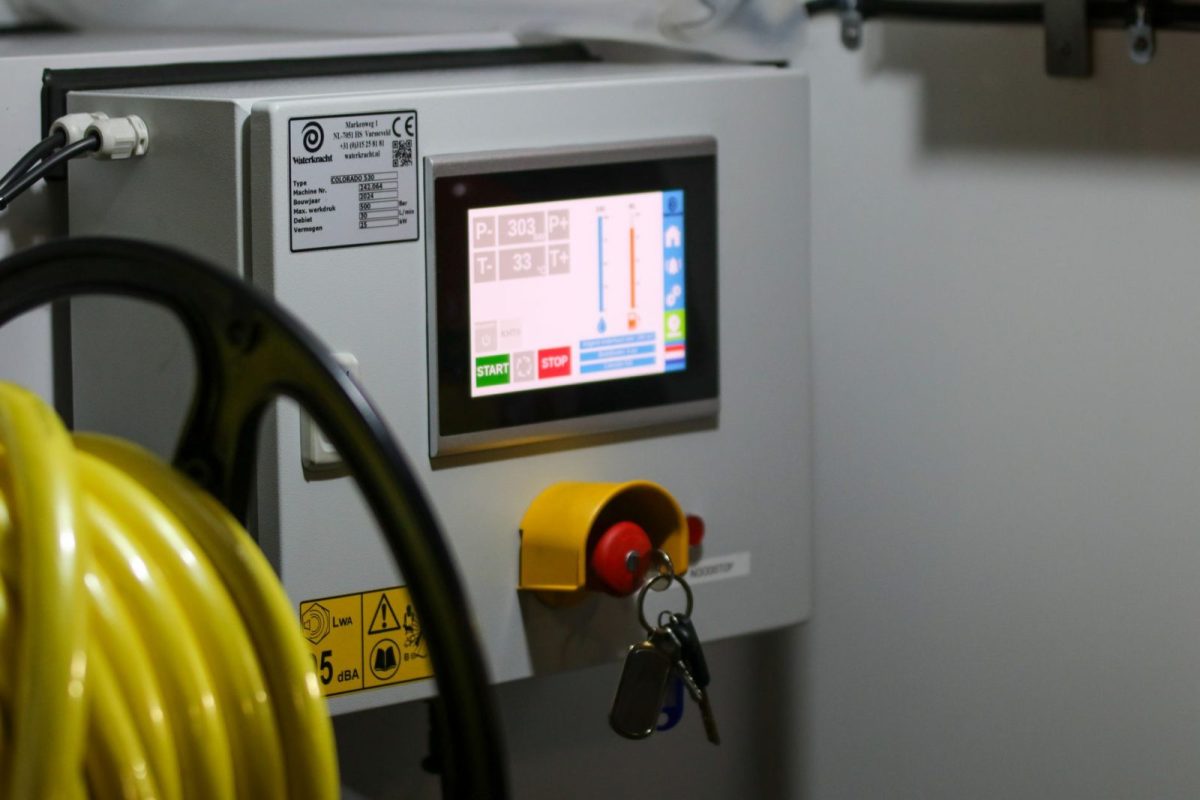
Batteries deserve a mention for off-grid and hybrid owners. Both lead-acid and lithium chemistries deliver less usable capacity when cold, and lithium packs should not be charged below freezing without a heater or built-in protection. Expect a hill-station battery bank to feel smaller in January than it did in September. Meanwhile, weatherproofing matters more when damp fog lingers, so it is worth confirming your unit's enclosure rating still suits its spot, as covered in our guide to inverter IP ratings and weatherproofing.
The habit that ties all of this together is monitoring. Compare each day against a realistic winter expectation, not a summer one, so a normal seasonal dip does not scare you and a real fault does not hide. Learning to read the shape of your generation curve is a skill in itself, and our walkthrough on spotting panel degradation from monitoring data shows how to tell a lasting problem from a passing cloud.
Your winter readiness checklist
Run through this once in late November and you will spend the rest of the season with fewer surprises.
- Steepen the tilt toward your latitude plus 15 degrees if your mount allows it.
- Clean the glass early in the day, paying attention to the bottom rows where dew-dust film builds up.
- Walk the roof around 9 am and mark any new winter shadows from tanks, walls, or nearby construction.
- Trim tree branches that only reach the panels when the sun is low.
- Check string voltage headroom if you get cold-morning fault trips.
- Note your battery bank's reduced cold-weather capacity and size your evening loads accordingly.
- Set a realistic winter baseline in your monitoring app so genuine faults stand out.
None of this needs a technician for a typical rooftop system, though anything involving DC connectors, the inverter's DC isolator, or roof access in slippery conditions should be left to a qualified installer. The US National Renewable Energy Laboratory keeps solid public references on how temperature and irradiance drive panel behaviour if you want to go deeper on the physics (nrel.gov). For net metering rules and subsidy details on grid-tied systems, the Ministry of New and Renewable Energy is the authoritative Indian source (mnre.gov.in).
Frequently Asked Questions
How much less does a solar system produce in winter in India?
In North India, expect daily generation 15 to 30 percent below spring peaks, driven mainly by shorter days and haze. Southern and western states see a smaller drop because winter sun stays higher and skies stay clearer.
Do solar panels work better in cold weather?
Per unit of sunlight, yes. Cold cells lose less energy to heat, so a panel converts light more efficiently at 10 degrees than at 45. Winter still yields less overall because there is far less sunlight to convert, not because the cold hurts.
Should I change my panel tilt for winter?
If your mount is adjustable, yes. Steepening to roughly your latitude plus 15 degrees catches the low winter sun more directly and recovers a few percent. Flush roof-mounted panels cannot move, so focus instead on cleaning and clearing shadows.
Why did my output suddenly halve on a foggy morning?
A dense fog can cut irradiance sharply, and a band of dew-glued dust on the lower cells can drag a whole string down. Check the inverter log for faults first, then inspect the glass. Often a simple early clean restores normal output.
Is it safe to clear snow off rooftop panels myself?
Only from the ground or a stable ladder with a soft foam snow rake, never by climbing an icy roof or using metal tools. A light dusting usually slides off on its own within a day, so patience is often the safest choice.
Keep the winter watts flowing
Winter will always trim your generation, but the losses you can control add up to a meaningful difference by February. Steepen the tilt, keep the glass clean, chase off the low-sun shadows, respect the cold-morning voltage, and measure everything against a sensible winter baseline. Do that and a seasonal dip stays a dip instead of turning into a service call. If a genuine fault does surface, our complete solar troubleshooting guide will help you trace it from symptom to cause without guesswork.


