

Key Takeaways
- Solar low output troubleshooting starts with confirming there is a real drop, not just cloudy weather or a normal seasonal dip.
- The usual culprits, in order of how often I find them: dirty or shaded panels, a weak string or connector, a derating inverter, and grid voltage problems.
- Compare your current daily kWh against the same month last year or against your original performance ratio, not against nameplate wattage.
- Most output losses are recoverable with cleaning, a loose-connection fix, or clearing an inverter fault, only a minority need a technician.
- Track it: a five-minute weekly glance at your monitoring app catches a slow decline months before your bill does.
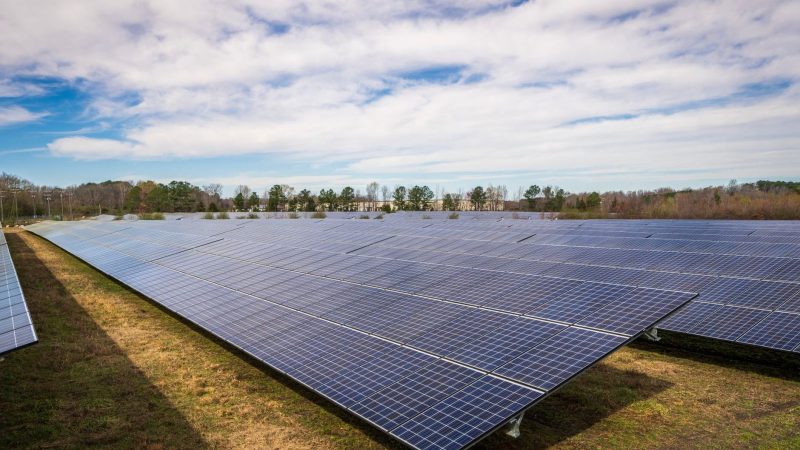
If your panels are quietly making less power than they used to, this guide walks you through solar low output troubleshooting the same way I do on a service call, step by step. I am Arjun Mehta, and over a few hundred rooftop installs and follow-ups across Indian homes I have learned that "my solar is underproducing" almost always traces back to one of five things, and most of them you can diagnose yourself before paying anyone. You will learn how to confirm the drop is real, how to isolate the cause from the meter inward, and when a low solar generation problem genuinely needs a technician versus a bucket of water and ten minutes.
First, confirm the output actually dropped
Before you chase a fault, prove there is one. A single dull, hazy day can halve your yield and panic a new owner. What matters is the trend across a week or a month, compared to a fair baseline.
The honest baseline is not the sticker wattage on the panel. A 5 kW system almost never makes 5 kW; a healthy Indian rooftop typically delivers roughly 4 to 4.8 units per installed kW per day averaged over a good month, less in monsoon, more in dry winter sun. Compare this month to the same month last year, or to your commissioning report.

Tip: Note your peak instantaneous power at solar noon on a clear day. If a 5 kW system that used to hit 4.2 kW now tops out at 3.1 kW at the same time of year, that is a real, measurable loss worth investigating, not weather.
The step-by-step diagnosis
Work from the easiest and most common cause toward the rarest. This order saves you time and, when I train new technicians, catches the fault on the roof about seven times out of ten before we ever open a combiner box.
- Read the inverter and app. Note today's kWh, peak power, and any error codes or amber lights. Screenshot the daily curve; a clean bell shape versus a jagged or clipped one tells you a lot.
- Look for shade and soiling. Walk the roof around mid-morning and mid-afternoon. New tree growth, a water tank, a neighbour's parapet, or a bird-dropping crust on one corner can drag a whole string down.
- Check the panel surface. Dust film, pollen, cement dust from nearby construction, and monsoon algae are the number-one recoverable loss in India.
- Inspect the strings. In a multi-string inverter, compare the two MPPT inputs. If one string reads far lower voltage or current than its twin, the fault is in that string.
- Test connectors and wiring. Warm or discoloured MC4 connectors, loose DC terminals, and corroded lugs cause resistance losses and intermittent drops.
- Review inverter behaviour. A hot inverter derates. Check for thermal throttling, poor ventilation, or a firmware fault.
- Measure grid voltage. High grid voltage forces on-grid inverters to trip or curtail, especially in rural and peri-urban feeders in the afternoon.
Cause 1: Dirty or shaded panels (the everyday thief)
This is where most of my low solar generation calls end. A uniform layer of dust across every panel might quietly steal 8 to 20 percent over a dry season; a hard bird-dropping stain or a single leaf can do worse because it forces a bypass diode to skip a whole cell group.
The tell-tale sign of shading versus soiling is the shape of the daily curve. Uniform soiling lowers the whole bell evenly. A partial shadow crossing the array carves a notch into the curve at a specific time of day, the same time every day, which points you straight to the offending object.
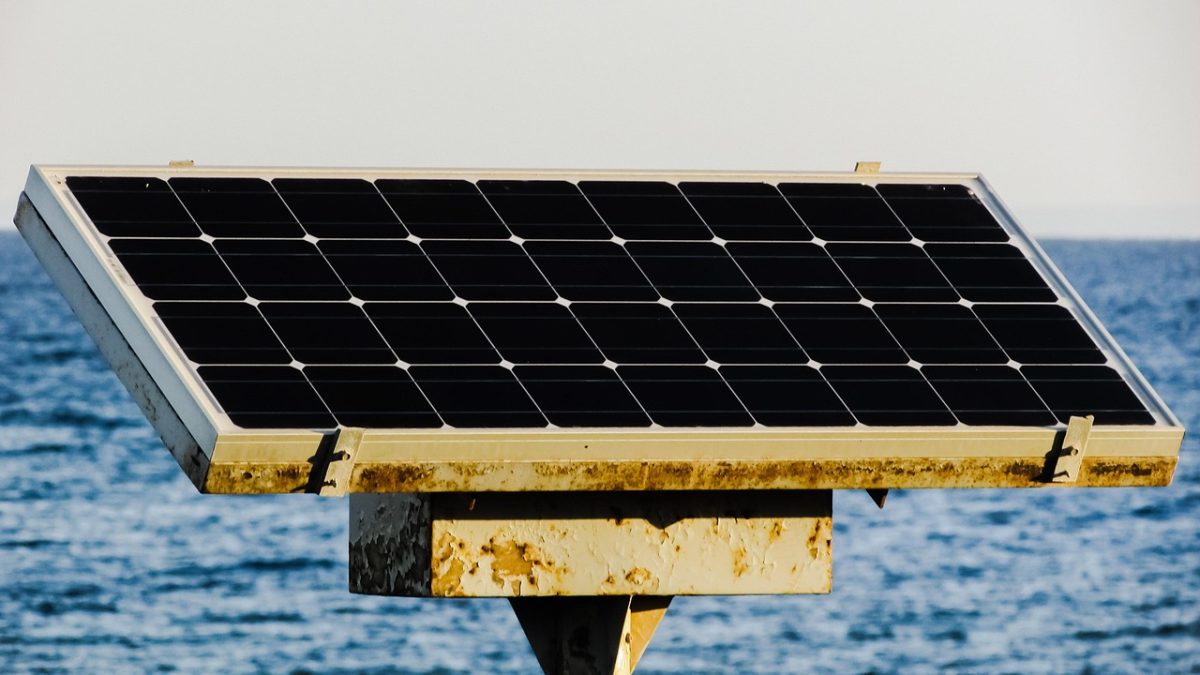
The fix is cheap. Clean early morning or after sunset with plain water and a soft brush or squeegee, never a hard scrubber, and never cold water on hot glass at noon (thermal shock can micro-crack cells). For shade, trim the branch or, if it is a permanent structure, talk to an installer about panel-level optimisers.
Cause 2: A weak string or bad connector
When I commissioned a 6 kW hybrid system a couple of years back that came back with a persistent 15 percent shortfall, everything looked clean on the roof. The giveaway was the inverter's two MPPT inputs: one string sat about 40 volts below its identical twin. We traced it to a single MC4 connector that had not been crimped fully at install, adding resistance that grew as it heated.
You can spot this without opening anything dangerous. In your inverter app or display, most string inverters show per-string voltage and current. Two matched strings in similar sun should read within a few percent of each other. A big, steady gap means that string has a shaded panel, a failed module, or a resistive joint.
Warning: Solar strings carry lethal DC voltage in daylight and cannot be switched off by simply covering a panel. Never open MC4 connectors, combiner boxes, or DC terminals under load, and never work on wet wiring. Reading values on the inverter screen is safe; opening DC connections is qualified-electrician work. See our safety disclaimer.
Cause 3: The inverter is derating or faulting
Inverters protect themselves by throttling back, called derating, when they run too hot or see abnormal grid conditions. An inverter baking in an unventilated afternoon corner, or one mounted in direct sun on a west wall, will quietly cap its output at midday exactly when you expect the most power.
Check three things: the inverter's temperature reading if it shows one, whether the daily curve is flat-topped (classic clipping or thermal limiting), and any logged event codes. Improving airflow, adding shade over the unit, and cleaning the vent filters often restores lost afternoon units. A genuine fault code that persists after a power cycle needs the manufacturer's service line.
Cause 4: Grid voltage too high
This one surprises people. On-grid inverters must disconnect if the grid voltage rises outside the permitted band, and many Indian feeders drift high in the afternoon when demand is low. Your panels are fine, your inverter is fine, but it keeps tripping or curtailing and you lose your best generation hours.
The signature is an inverter that shows a grid-voltage or over-voltage event, drops out, waits, reconnects, and repeats, mostly midday to afternoon. There is no roof-side fix. Document the events from the inverter log and raise it with your DISCOM, and ask your installer whether the grid-voltage protection band can be adjusted within regulatory limits.
Quick-reference: causes, symptoms, and fixes
| Cause | Typical symptom | Rough loss | Fix & who does it |
|---|---|---|---|
| Dust / soiling | Whole daily curve lowered evenly | 8-20% | Water + soft brush, you |
| Partial shade | Notch in curve at same time daily | 5-30% | Trim/optimisers, you or installer |
| Weak string / bad connector | One MPPT input far below its twin | 10-50% of a string | Re-crimp/replace, electrician |
| Inverter derating | Flat-topped midday curve, hot unit | 5-15% | Ventilate/shade, you |
| High grid voltage | Repeated over-voltage trips, afternoon | Varies, hours lost | DISCOM + installer |
When to stop and call a professional
Cleaning, ventilation, and clearing a one-off fault code are fair DIY territory. Stop and call your installer or an accredited technician the moment the trail leads into DC connections, a persistent inverter fault, a burnt smell, discoloured connectors, or a string that stays dead after cleaning and reconnection checks on the screen.
A slow, creeping decline year over year is different again. That is usually normal panel degradation plus accumulated soiling, and it is worth reading our guide on how to extend your solar system's lifespan so a healthy array keeps producing for its full warranty life. If your system is not making anything at all, that is a separate diagnosis path covered in solar no-output troubleshooting, step by step.
For the wider picture, from wiring faults to communication errors, this article sits inside our complete guide to solar troubleshooting, which maps every symptom to its likely cause. When in doubt, the safe move is always to read values on the screen, not open panels in daylight. You can read more about who I am and how I test on our about page.
For the technical thresholds behind grid-voltage tripping and standard performance expectations, India's Ministry of New and Renewable Energy publishes rooftop solar guidance at mnre.gov.in, and the US National Renewable Energy Laboratory keeps accessible primers on soiling and degradation at nrel.gov.
Frequently Asked Questions
Why is my solar output dropped suddenly this month?
A sudden solar output drop is usually soiling, new shade, a tripped or derating inverter, or a grid-voltage issue. Check your inverter app for error codes first, then inspect the panels for dust or a shadow. Compare against the same month last year, not against the nameplate rating.
How much output do dirty panels really lose?
Uniform dust typically costs 8 to 20 percent over a dry season in India, and far more with sticky pollen, cement dust, or bird droppings that trigger bypass diodes. Cleaning with plain water and a soft brush usually recovers almost all of it within a day.
Can I clean the panels myself to fix low generation?
Yes, cleaning is safe DIY when done from a stable position early morning or evening using plain water and a soft brush or squeegee. Avoid cold water on hot noon glass, hard scrubbers, and detergents. Never step on modules, and never touch DC wiring or connectors while doing it.
Is low solar output covered under warranty?
Panel power warranties cover output falling below a guaranteed degradation curve, often around 80 percent or more at 25 years, not losses from dust or shade. A genuinely underperforming module or a failed inverter is usually a warranty claim, but soiling and grid issues are the owner's responsibility.
How do I know if one string or panel is faulty?
Most string inverters display per-MPPT voltage and current. In similar sunlight, two matched strings should read within a few percent of each other. A large, steady gap points to a shaded, failed, or badly connected panel in the lower string. Have an electrician open DC connections, never do it yourself in daylight.
Conclusion
Solar low output troubleshooting is mostly detective work you can do from the ground and the app: confirm the drop is real against a fair baseline, then work from soiling and shade toward strings, inverter, and grid. Nine times out of ten the fix is cheap and safe; the rest is honest technician work you now know how to hand over cleanly. If you want the full symptom map, start with our complete solar troubleshooting guide and keep that weekly five-minute glance at your monitoring going.