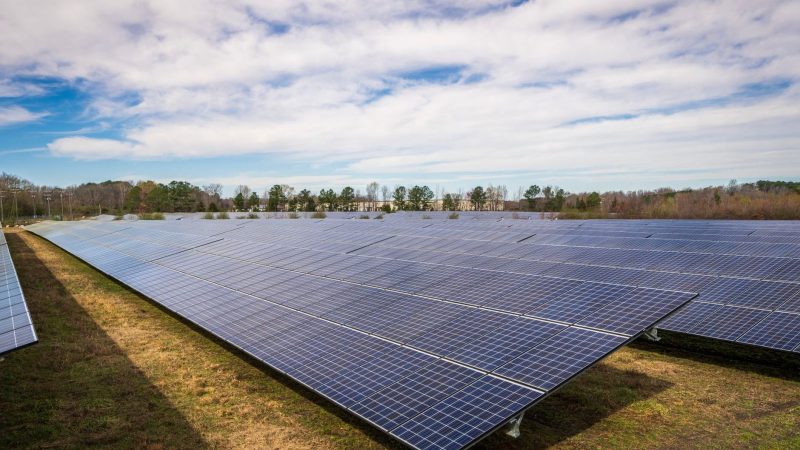


Key Takeaways
- A well-installed solar array should comfortably run 25 years or more; the panels rarely die first, the inverter and cabling usually do.
- Heat is the single biggest enemy of solar hardware in India, so ventilation, shade for the inverter, and clean airflow matter more than most people think.
- Cheap DC connectors, loose lugs, and skipped annual checks cause more early failures than panel degradation ever will.
- Simple, low-cost habits (gentle cleaning, torque checks, monitoring the numbers) add years of life and protect your net-metering payback.
- Budget from day one for one inverter replacement over the system's life; it is normal, not a defect.
Extending your solar system lifespan is less about buying exotic gear and more about respecting a few unglamorous basics. I have commissioned and serviced rooftop systems across a range of Indian conditions, and the pattern is remarkably consistent: panels quietly keep working for decades, while inverters, connectors, and mounting hardware fail early when heat, dust, and shortcuts pile up. In this guide you will learn what actually ages a solar system, how to protect solar longevity component by component, a realistic maintenance rhythm, and honest expectations on when to replace parts versus the whole system. The goal is to make solar last longer without spending foolishly.
What Actually Wears Out in a Solar System
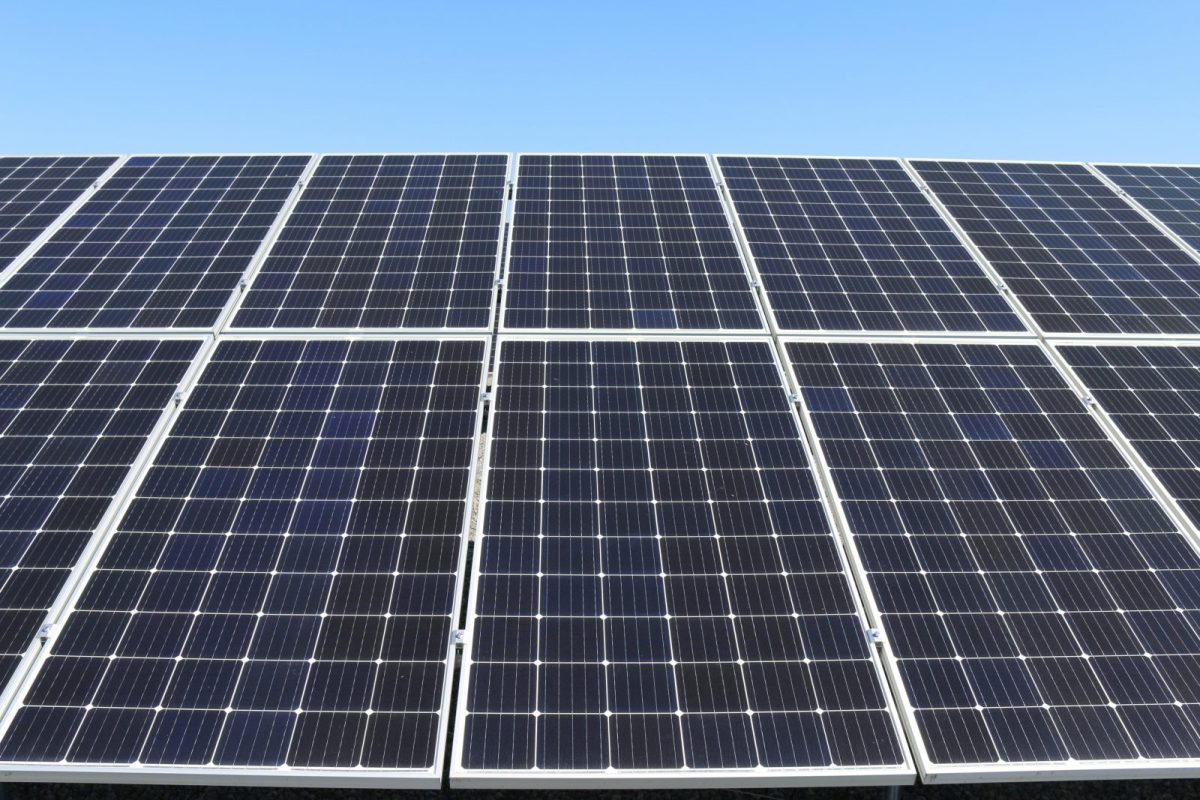
People imagine solar panels slowly crumbling, but that is rarely the failure story. Panels lose roughly half a percent of output per year, so a 25-year-old panel still delivers around 85 percent of its original power. The parts that genuinely wear out are the ones with electronics, moving air, or mechanical stress.
String inverters carry capacitors and cooling fans that degrade with heat cycling. DC connectors corrode or arc if they were cheap or badly crimped. Mounting bolts loosen, and cable insulation cracks under years of UV. Understanding this hierarchy tells you exactly where to spend attention and money for real solar system durability.
Realistic Lifespans of the Main Components
Setting honest expectations protects your wallet and your patience. When a client asks why their inverter needs replacing at year 11 while the panels look fine, the answer is simply that these components were never designed to last equally. Here is the rough map I share on every handover.
| Component | Typical lifespan | Main enemy | What extends it |
|---|---|---|---|
| Solar panels | 25-30+ years | Micro-cracks, hotspots | Gentle handling, clean surface |
| String inverter | 10-15 years | Heat, capacitor ageing | Shade, ventilation, clean vents |
| Lead-acid battery | 3-5 years | Deep discharge, heat | Correct charging, cool room |
| Lithium (LFP) battery | 8-12 years | High temperature, over-cycling | Moderate depth of discharge |
| DC connectors and cable | 15-25 years | UV, poor crimps, water | Quality parts, proper crimping |
| Mounting structure | 20-25 years | Corrosion, loose bolts | Galvanised steel, torque checks |
Notice the gap between panels and inverter. That is why I tell every homeowner to budget for one inverter swap over the life of the system. It is a planned expense, not a sign that something went wrong.
Heat: The Silent Life-Shortener
In Indian conditions, heat is the number one thing quietly stealing years from your system. Every 10 degrees Celsius of extra sustained temperature roughly doubles the ageing rate of electronic components. An inverter baking on a west-facing wall in Rajasthan lives a much harder life than the same unit under a shaded, ventilated porch.
When I commissioned a system in a Nagpur home a few summers back, the inverter sat in full afternoon sun and kept derating and tripping on over-temperature. Relocating it two metres to a shaded, airflow-friendly spot fixed the nuisance trips completely and, more importantly, stopped the internal cooking that shortens capacitor life. Shade and airflow are free; use them.
Tip: Give the inverter at least 15 cm of clear space on every side, keep it out of direct sun, and never box it inside a cupboard. If it feels hot enough that you cannot hold your hand on the casing, it is running harder than it should.
Cleaning and Panel Care Done Right
Dust is a genuine problem on Indian rooftops, but aggressive cleaning does more damage than dirt. I have seen micro-scratches from stiff brushes and thermal cracks from cold borewell water hitting hot glass at noon. Both permanently hurt output.
Clean early morning or after sunset when the glass is cool. Use plain water and a soft cloth or a dedicated soft-bristle solar brush; skip detergents, which leave residue that attracts more dust. In dusty or high-pollen belts, a rinse every two to three weeks is plenty. This gentle routine is one of the cheapest ways to make solar last longer.
Safety warning: A rooftop with live DC cables carries lethal voltage even when the grid is off, and wet surfaces plus height are a serious fall risk. Never open the inverter or DC isolator yourself, and if cleaning means walking near array edges or reaching over cables, use a harness or hire a trained technician.
Connections, Cabling, and the Failures Nobody Sees
Over a few dozen service calls I noticed that the majority of mid-life underperformance traced back to connections, not panels. A slightly loose DC lug, a mismatched connector brand, or a crimp done in a hurry creates resistance, heat, and eventually an arc or burnt terminal. These faults are invisible from the ground and cost almost nothing to prevent.
Insist on branded, matched connectors, UV-rated DC cable, and proper crimping tools during installation. At every annual service, a technician should thermal-scan or at least feel for warm junction boxes and re-torque terminals to spec. If you ever smell hot plastic or see discolouration at a connector, treat it as urgent.
Batteries: The Fastest-Ageing Part
If your system has storage, the battery is almost certainly the shortest-lived component. Lead-acid banks in hot store-rooms, cycled deeply every night, can be finished in three years. The same chemistry kept cool and only lightly discharged can stretch well past five.
Lithium iron phosphate is far more forgiving and tolerates daily cycling, but it still hates sustained heat. Keep any battery in the coolest, driest, best-ventilated space you have, avoid draining it to empty, and never mix old and new lead-acid cells. Right-sizing storage so it is not stressed every cycle is a core piece of protecting solar longevity.
A Simple Maintenance Rhythm That Works
You do not need a service contract with a hundred line items. A light, consistent rhythm beats an expensive checkup you never repeat. Here is the schedule I hand to homeowners, ordered from most to least frequent.
- Weekly (2 minutes): Glance at your monitoring app or inverter display. Confirm today's generation looks normal for the season and there are no fault codes.
- Fortnightly to monthly: Do a gentle water rinse of the panels in dusty periods, done at a cool time of day.
- Quarterly: Walk around and look up. Check for shading from new tree growth, bird nests, cracked glass, or lifting mounts.
- Annually (technician): Full inspection, terminal re-torque, thermal check of connectors, inverter vent cleaning, and earthing verification.
- Every 10-15 years: Plan and budget the inverter replacement before it fails, not after.
For the exact annual walkthrough, follow our Annual Solar System Maintenance Checklist, which turns this rhythm into a printable list you can hand to your service technician.
Monitoring: Catch Problems Before They Compound
The cheapest way to extend system life is to notice trouble early. A small, steady drop in daily generation is your first warning of a dirty panel string, a failing connector, or an inverter starting to derate. Ignored, these turn into burnt terminals or dead components.
Compare your output against the same week last year, not against a neighbour. If you spot an unexplained decline, our walkthrough on how I diagnosed my solar system's underperformance shows the exact order to check things so you fix the real cause instead of guessing. Good data habits routinely add years of reliable service.
Buying Choices That Set You Up for a Long Life
Half of a system's lifespan is decided on day one. A quality mounting structure in galvanised steel or aluminium resists our monsoon corrosion far better than painted mild steel. An inverter with a genuine, serviceable warranty and available spares in India matters more than a slightly higher efficiency figure on paper.
Check that panels and inverters carry proper BIS and IEC certification, and that your installer follows MNRE guidance for grid-connected systems. You can review the framework and approved-model lists on the Ministry of New and Renewable Energy site, and read general reliability research from the National Renewable Energy Laboratory. Buying certified, serviceable hardware is the foundation of solar system durability.
When to Repair, and When to Replace
A failed inverter after 12 years is a repair-or-replace decision, not a crisis. If the panels and wiring are healthy, swapping just the inverter for a modern, more efficient unit is usually the smart move and can even lift your generation. Replacing the whole system rarely makes sense unless the panels are physically damaged or badly degraded.
Keep records of install dates, warranties, and service visits so these calls are easy. If a fault has you stuck, our complete solar troubleshooting guide is the pillar resource that ties together diagnosis, repair, and prevention across the whole system. For how we test and what we do and do not claim, see our about page.
Frequently Asked Questions
How long does a home solar system last in India?
The panels typically last 25 to 30 years or more, while the inverter usually needs replacing once at around 10 to 15 years. With gentle cleaning, good ventilation, and annual checks, a well-installed Indian rooftop system reliably delivers useful power for decades.
Does frequent cleaning extend solar panel life?
Gentle cleaning helps output, but aggressive cleaning shortens life. Stiff brushes scratch the glass and cold water on hot panels can cause thermal cracks. Use plain water and a soft cloth at a cool time of day; that protects the surface while keeping generation strong.
Why does my inverter fail before the panels?
Inverters contain capacitors, fans, and electronics that age with heat cycling, whereas panels are passive glass and silicon. This is normal and expected, not a defect. Keeping the inverter shaded and ventilated slows this ageing, but budgeting for one replacement over the system life is wise.
What single change extends solar lifespan the most?
Managing heat. Keeping the inverter out of direct sun with generous airflow, and storing any battery in a cool, ventilated space, does more for longevity than almost anything else. Every extra 10 degrees of sustained heat roughly doubles the ageing rate of electronic components.
Is an annual professional service really necessary?
Yes, and it is cheap insurance. A technician re-torques terminals, thermal-checks connectors, cleans inverter vents, and verifies earthing, catching the small faults that quietly burn out hardware. One visit a year typically costs far less than a single avoidable connector or inverter failure.
Conclusion
Long solar life is not luck; it is a handful of honest habits. Buy certified, serviceable hardware, keep the electronics cool and ventilated, clean gently, watch your numbers, and let a technician re-torque and inspect once a year. Do that, and your panels will outlast the loan many times over while you plan calmly for the one inverter swap that is simply part of the journey. If you want to go deeper, start with our complete solar troubleshooting guide and keep your system running strong for decades.