

Key Takeaways
- A well-installed rooftop solar system needs surprisingly little hands-on work: mostly cleaning, a quarterly visual check, and reading your monitoring app.
- Dust and bird droppings, not hardware failure, cause the majority of avoidable generation losses in Indian conditions.
- Never open a combiner box, touch DC connectors, or walk a wet roof; leave anything past the AC isolator to a qualified technician.
- Batteries and inverters have the shortest service lives; panels are the long-haul component with 25-year performance warranties.
- Good record-keeping of your daily kWh makes early fault detection almost automatic.
If you have just gone solar, the question I hear most is simple: what does upkeep actually involve? This solar maintenance FAQ answers the 15 questions real homeowners ask me on site, from how often to clean panels to when an inverter fault is serious. I am Arjun Mehta, and over years of servicing rooftop systems across Indian homes I have learned which chores matter and which are marketing myths. You will learn the realistic cost of upkeep, the safety lines you must never cross, and the small habits that keep generation high for decades.
How often should I clean my solar panels?
In most Indian cities I suggest a rinse every two to four weeks in the dry season, and less often once the monsoon does the job for you. Dusty industrial belts, construction zones, or homes near unpaved roads may need weekly attention. The honest test is your monitoring app: if morning output drops a few percent against a clean baseline, it is time.
Can I clean the panels myself, or do I need a professional?
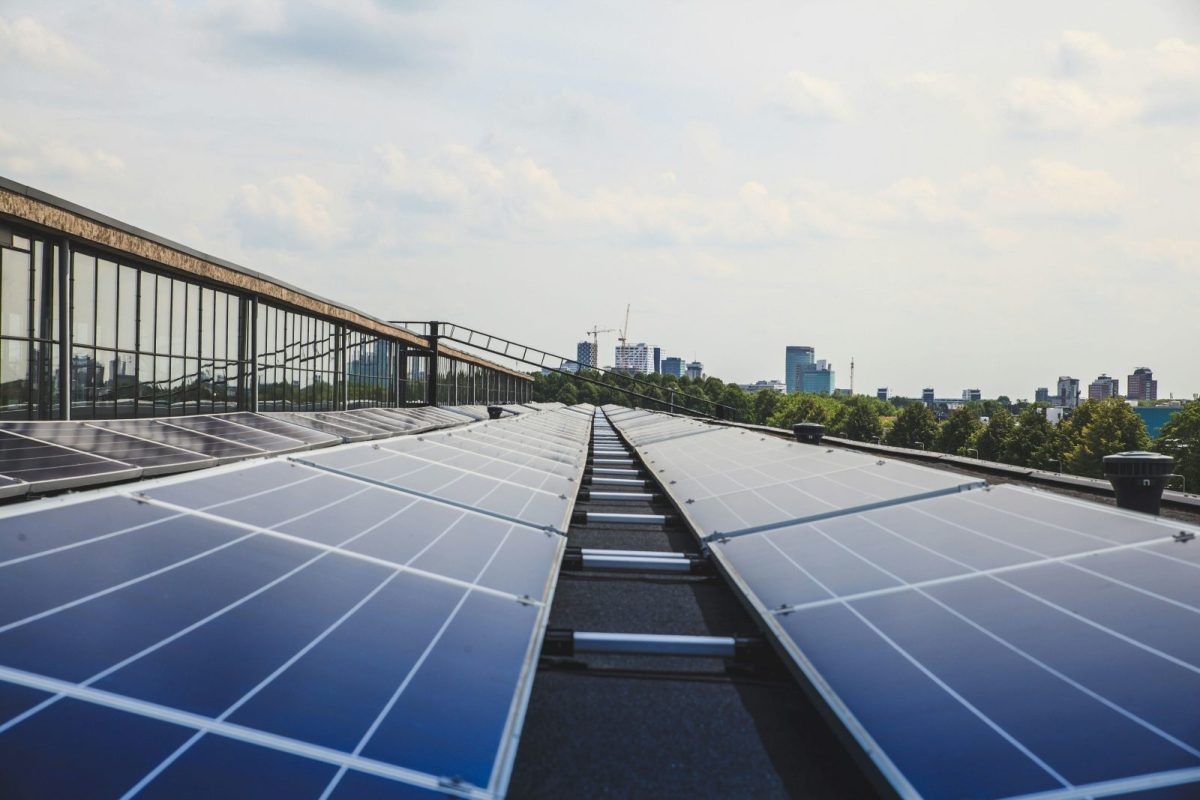
Ground-mounted or single-storey arrays you can reach safely from a stable ladder are fine to clean yourself with soft water and a soft brush. The moment cleaning means walking on a sloped roof, working near the edge, or reaching over live cabling, hire someone with fall protection. I have seen more injuries from slips than from anything electrical, so treat height as the real hazard.
What should I use to clean solar panels?
Plain low-mineral water and a soft microfibre pad or squeegee handle 95 percent of dirt. For sticky bird droppings or pollen, a drop of mild soap is fine, followed by a clean-water rinse. Avoid hard tap water that leaves mineral spots, pressure washers that can force water past the seals, and anything abrasive that scratches the anti-reflective coating.
Safety warning: Never clean panels during peak sun or when the glass is hot, and never spray water into gaps around DC connectors or the junction box. Cold water on hot glass can crack cells, and water near live DC terminals is a genuine shock and arc risk. Clean early morning, and keep all liquid on the glass face only.
Do solar panels need maintenance at all, or are they maintenance-free?
Panels themselves are close to maintenance-free, which is where the myth comes from. The system around them is not. Inverters, batteries, connectors, mounting bolts, and cabling all age and need periodic eyes on them. If you want the full picture of what is fact and what is folklore, I pull it apart in our guide to solar maintenance myths versus facts.
How much does annual solar maintenance cost in India?
For a typical residential rooftop system, a basic annual maintenance contract with a good installer usually runs a few thousand rupees, and many self-manage cleaning to keep it lower. The bigger costs are occasional part replacements, not routine visits. Here is a realistic breakdown of what you might budget.
| Maintenance item | Typical frequency | Rough cost range (INR) |
|---|---|---|
| Panel cleaning (self or AMC) | Fortnightly to monthly | 0 to 3,000 / year |
| Annual professional inspection | Yearly | 2,000 to 6,000 / visit |
| Inverter service / repair | As needed | Varies; often under warranty early |
| Battery replacement (lead-acid) | 3 to 6 years | High; plan a sinking fund |
| Connector / cable repair | Rare | Low to moderate |
What routine checks should I do myself each month?
A five-minute monthly walkthrough catches most problems early. You do not need tools, just your eyes and your monitoring app. Here is the routine I give every customer at handover.
- Open your monitoring app and compare today's generation to a similar sunny day last month.
- Look up at the array for shading, dust build-up, cracked glass, or nesting birds.
- Check the inverter display or LED for a normal green status, not a fault code.
- Glance at cables and conduit for sagging, rodent damage, or exposed copper.
- Note the day's kWh in a simple log so trends are obvious over time.
How do I know if my system is underperforming?
Compare actual daily kWh against what the system produced when it was new and clean on similar weather. A gradual slide usually means soiling; a sudden drop points to a tripped string, a shaded panel, or an inverter fault. When I chased down a stubborn 15 percent shortfall on my own roof, the culprit was one shaded corner and a loose MC4 connector; I documented the whole hunt in how I diagnosed my solar system's underperformance.
How long do solar inverters last and when should I replace one?
String inverters commonly serve 8 to 12 years, sometimes longer, while good microinverters are rated for far more. Replace when repair costs approach a new unit, when fault codes recur despite service, or when efficiency has clearly dropped. Keep the warranty card and installation date handy; many early failures are covered if you can prove the commissioning date.
How do I maintain a solar battery?
For lead-acid banks, keep terminals clean and tight, top up distilled water on flooded types, and avoid deep discharges that shorten life. Lithium batteries need far less: good ventilation, moderate temperatures, and firmware kept current. Whatever the chemistry, avoid parking a battery at a very low state of charge for long periods, which is the fastest way to ruin one.
Tip: Set two calendar reminders a year, ideally just before and just after monsoon, for a proper inspection. The pre-monsoon check confirms seals and mounts are tight before heavy rain, and the post-monsoon check clears out any debris, moss, or moisture ingress the rains left behind.
What are the warning signs I should never ignore?
Some symptoms mean stop and call a professional today. A burning smell or scorch marks near the inverter or combiner box, repeated tripping of the AC breaker, visibly melted connectors, or water pooling in an enclosure are all red flags. So is any panel with a cracked or fogged interior. These point to arc-fault or moisture problems that get worse, and sometimes dangerous, if left alone.
Does dust really affect output that much in India?
Yes, more than most people expect. In dry, dusty regions a neglected array can lose a meaningful chunk of its output within weeks, and the loss is invisible until you look at the numbers. This is exactly why I nag about cleaning: it is the cheapest, highest-return maintenance you can do, needing only water and a few minutes.
Do I need to maintain the mounting structure and wiring?
Absolutely. Wind, thermal cycling, and rust slowly loosen bolts and degrade cable insulation. Once a year, a technician should check torque on the mounting clamps, look for rust on galvanised parts, and confirm cable ties and conduit are intact so nothing chafes. Rodents chewing DC cabling is a common, preventable fault I see far too often.
Will maintenance affect my warranty or net metering?
Many manufacturers expect reasonable upkeep, and neglect can be used to deny claims, so keep dated cleaning and service records. On the grid side, do not tamper with the net meter or the utility-side isolation; that is the discom's equipment. If you are unsure how these interact, our broader complete solar troubleshooting guide walks through the whole system methodically.
Is there anything I should absolutely never do myself?
Yes. Never open the DC combiner box, unplug DC connectors under load, work on the roof in wet or windy weather, or touch anything on the utility side of the meter. Solar DC does not switch off with a wall button; strings stay live in daylight. Anything past the AC isolator, and all DC work, belongs to a qualified technician with the right training and gear.
Where can I learn the official rules and standards?
For scheme details, subsidies, and approved-vendor norms, the Ministry of New and Renewable Energy is the authoritative source; start at the MNRE website. For neutral technical background on how PV systems perform and degrade, the US National Renewable Energy Laboratory at NREL publishes plain, non-commercial research. Both are good habits to build before you trust a random forum thread. You can read more about how I approach this work on our about page.
Frequently Asked Questions
How often should solar panels be serviced by a professional?
Once a year is enough for most residential rooftop systems in India, ideally timed around the monsoon. That annual visit should cover a torque check on mounts, inspection of cabling and connectors, an inverter health check, and a review of your generation data against expectations.
Can rain clean my solar panels well enough?
Rain helps a lot during the monsoon and can reduce your cleaning frequency to near zero for weeks. But it leaves behind streaks, pollen, and settled grime near the frame edges, and it does nothing for bird droppings. Plan a proper rinse once the rains ease.
Why is my solar generation suddenly lower than usual?
A sudden drop usually means a tripped string, new shading from a tree or structure, a soiled or cracked panel, or an inverter fault. Check your monitoring app for the affected string, look for a fault code on the inverter, and inspect the array. If unresolved, call your installer.
Do solar batteries need more maintenance than panels?
Yes, batteries are the highest-maintenance and shortest-lived part of a solar setup. Lead-acid types need water top-ups and careful discharge habits, and both chemistries dislike heat and deep discharge. Budget for eventual replacement, which panels rarely need within their 25-year warranty.
Is it safe to clean solar panels while they are generating?
Cleaning the glass face with water is generally safe because the electrical parts are sealed behind the panel. The real risks are slipping on a wet roof and spraying water near DC connectors or junction boxes. Clean early morning when glass is cool and stay off steep, wet surfaces.
The bottom line on solar upkeep
Solar maintenance is mostly about consistency, not effort: rinse the panels, watch your numbers, do a proper annual inspection, and respect the safety lines around DC and mains. Do that, and a good system will quietly pay you back for decades with very few surprises. If you want to go deeper on diagnosing faults when something does go wrong, take a slow read through our complete solar troubleshooting guide and keep it bookmarked.