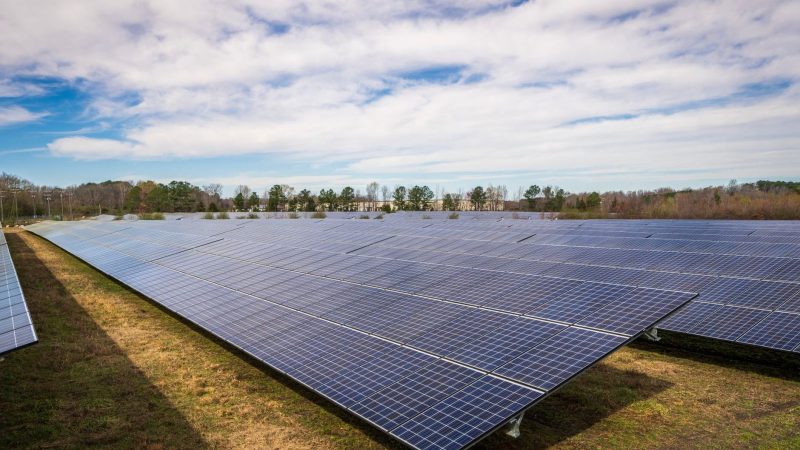


Key Takeaways
- An insulation resistance alarm (Riso) means the inverter measured a low-resistance leakage path between your DC array and earth before it dared to start.
- Most Riso faults in India trace back to moisture in connectors, junction boxes, or DC cable glands, not a "bad inverter."
- Nearly all such alarms clear on their own once the sun dries the array, which is why they are worst on the first humid morning after rain.
- You can safely narrow the fault down with visual checks and a megohmmeter, but any live DC or mains work belongs with a licensed installer.
- Chronic isolation faults left unfixed can escalate into a ground fault, tripping RCDs and shutting the whole system down.
If your inverter screen is flashing an insulation resistance alarm (often labelled Riso, ISO fault, or insulation low) and refusing to feed the grid, take a breath: this is one of the most common and most survivable faults in solar. Over dozens of commissioning visits I have learned that a Riso alarm is the system doing its job, quietly checking that no live wire is leaking to earth before it energises. In this guide you will learn what the alarm actually measures, why humidity and dodgy connectors cause most of it, how to safely track the fault down step by step, and when to stop and call a professional.
What an insulation resistance alarm actually means
Every grid-tie inverter runs a self-test at startup: it measures the resistance between the DC array (both positive and negative) and the grounded chassis or earth. This is the insulation resistance, or Riso. Healthy DC insulation reads in the megaohms; a wet or damaged path drops to a few kiloohms.
When Riso falls below the inverter's threshold, the unit stops. It will not export power because a low-resistance path to earth is a shock and fire hazard. So the alarm is not the fault itself, it is the inverter refusing to run until the leakage is gone.
The threshold varies by brand but sits somewhere between 100 and 1000 kiloohms for typical residential strings. Bigger arrays get a lower threshold because more panels and cable naturally add more leakage surface, so the number scales with system size.
Riso alarm, isolation fault, and ground fault: the same family
These terms confuse people, so let me separate them. A Riso alarm or isolation fault solar warning is measured at startup, before the inverter runs. A ground fault solar trip usually happens while running, when a residual current device (the inverter's internal RCMU) detects live current actually flowing to earth.
They share a root cause: insulation that is no longer keeping DC current where it belongs. A borderline isolation fault in the damp morning can become a full ground fault trip by midday when voltage rises and the leakage path carries real current. Treat a nagging Riso alarm as an early warning, not background noise.
| Symptom | When it appears | Most likely cause | Urgency |
|---|---|---|---|
| Riso / insulation low alarm | At startup, clears by midday | Overnight moisture in connectors or J-box | Low, but watch the trend |
| Riso alarm every day, worsening | Startup, takes longer to clear | Water tracking into a cable or module | Medium, inspect soon |
| Ground fault trip while running | Mid-day, under load | Damaged cable, pinched wire, failed module | High, stop and investigate |
| RCD/RCBO tripping at the AC board | Any time system is on | Serious earth leakage, possible shock risk | Very high, call installer |
Why humidity causes most insulation resistance alarms in India
If you notice the alarm mostly on the first clear morning after monsoon rain, you have already found the biggest clue. Water is a conductor. When dew or trapped rain sits inside a DC connector or a rooftop junction box, it bridges a tiny leakage path from conductor to earth, and Riso drops.
As the sun warms the roof, the moisture evaporates, the path opens up again, and the alarm clears on its own by mid-morning. This self-clearing pattern is the signature of a moisture fault rather than a hard cable failure. In coastal and high-humidity belts like Kerala, coastal Tamil Nadu, or the Konkan, this is routine for a few weeks each year.
The usual entry points are unseated MC4 connectors, junction boxes with a cracked or missing gland, cable entries that face upward and collect water, and conduit that acts like a drainpipe straight into the combiner box. None of these are exotic; they are just the places installers rush during a wet-season job.
Tip: Before you touch anything, log when the alarm appears and when it clears for three or four days. A clean "appears at dawn, gone by 10am, worse after rain" pattern almost always points to moisture, and that alone saves an expensive callout.
Step-by-step: tracking down an insulation resistance alarm
Work through these in order. The first steps are safe for any homeowner; the later ones involve DC testing and should be done by, or alongside, a qualified installer. Never open live DC or work on the roof alone in the wet.
- Read the exact code and log the pattern. Note the manufacturer's code (Riso, ISO-F, insulation low, or a number) and record over several days when it appears and clears. A self-clearing morning alarm needs a very different fix from a constant one.
- Check the weather correlation. If it only shows up after rain or heavy dew, moisture is your prime suspect. If it appears in bone-dry weather, suspect physical cable or module damage instead.
- Do a visual inspection (system safely off). With the DC isolator open, look for water in the combiner box, discoloured or loose MC4 connectors, cracked cable insulation, rodent bites, and junction boxes with failed glands or ants nesting inside.
- Dry and reseat the obvious offenders. Open, dry, and firmly reseat suspect MC4 connectors; replace any that are burnt or corroded. Seal open gland entries. Often this alone restores Riso to megaohms.
- Isolate the string. On a multi-string system, bring one string online at a time. If the alarm follows one specific string, you have halved your search area immediately.
- Megger the suspect string. With the string fully isolated and dead, a qualified person uses an insulation tester (megohmmeter) at 500V or 1000V between each pole and earth. A reading in single-digit megaohms or below confirms damaged insulation on that run.
- Trace to the component. Split the string physically at its midpoint and re-test each half to zero in on the faulty module, cable, or connector, then replace or re-terminate it.
- Re-test and monitor. After repair, confirm Riso reads healthy across a full day, including the humid morning window, before you call it fixed.

Warning: Solar strings can sit above 600V DC in full sun, and DC arcs do not self-extinguish like AC. Do not open connectors under load, do not probe live conductors, and never megger a live circuit. If a step needs the array energised or you are unsure, stop and bring in a licensed installer. Rooftop and DC work is not a place to improvise.
A field example: the Pune rooftop that only faulted at breakfast
When I commissioned a 5 kW rooftop in Pune a few seasons back, the owner called in a panic every monsoon morning: the inverter threw an insulation alarm around 7am and cleared itself before 10. Nothing was "broken," yet the system lost the best cool-morning generation of the day.
Logging the pattern pointed straight at moisture, so we opened the rooftop combiner box on a dry afternoon. One cable gland had been left finger-tight, and the conduit below it was funnelling rainwater right into the enclosure. Overnight, that puddle bridged the negative pole to the earthed box.
We dried it out, sealed the gland properly, added a drip loop so water could not run back along the cable, and re-tested. The morning alarms stopped. No parts replaced, no inverter swapped, just a gland that should have been tightened on day one. Over a few installs I noticed this same story repeats far more often than any genuine module failure.
When to stop and call a professional
Call a licensed installer if the alarm no longer self-clears, if it appears in dry weather, if your AC-side RCD or RCBO is tripping, or if a megger reading confirms a hard fault you cannot locate. These point to damaged cable, a failed module bypass diode, or wiring that needs specialist repair.
It is also worth folding an insulation check into routine servicing so faults are caught before they strand you. Our annual solar system maintenance checklist covers connector and earthing inspections that head off most Riso trouble. If your issue is really an AC-side or grid trip, see our guide to fixing grid-fault and anti-islanding trips instead, as the fix is completely different.
For the bigger picture on diagnosing any inverter error, our complete solar troubleshooting guide walks through the common alarm families in order. You can also read how we test and verify our advice on our about page. For deeper standards on PV insulation testing, the international benchmark is the IEC's IEC 62446 series on grid-connected PV system commissioning and inspection.
For quick answers to the upkeep questions that come up again and again, our solar maintenance FAQ is a handy reference to keep bookmarked.
Frequently Asked Questions
Is an insulation resistance alarm dangerous?
The alarm itself is a safety feature, not the danger. It means the inverter detected a low-resistance path to earth and refused to run to protect you. A persistent alarm, however, signals leakage that could become a shock or fire risk, so it should be investigated rather than ignored.
Why does my Riso alarm clear by itself in the morning?
Because the cause is almost always moisture. Overnight dew or trapped rain inside a connector or junction box creates a temporary leakage path. As the sun warms and dries the array, that water evaporates, insulation resistance climbs back to normal, and the inverter restarts on its own.
Can I fix an isolation fault myself?
You can safely log the pattern and do a visual inspection with the system off. Drying and reseating connectors is often enough. But megger testing, live DC work, and rooftop repairs should be done by a qualified installer, since solar strings carry hundreds of dangerous DC volts in sunlight.
What is the difference between a Riso alarm and a ground fault?
A Riso or isolation alarm is measured at startup, before the inverter runs, and blocks it from starting. A ground fault is detected while running, when current actually flows to earth. Both come from failing insulation, and a chronic Riso alarm can escalate into a running ground fault trip.
What insulation resistance value is normal for solar?
Healthy DC insulation reads in the megaohms, often tens of megaohms or more for a dry residential string. Inverter thresholds typically sit between 100 and 1000 kiloohms and scale down as array size grows. Readings in single-digit megaohms or lower usually indicate a real insulation problem.
Conclusion
An insulation resistance alarm is your system speaking up before anything unsafe happens. Nine times out of ten in Indian conditions the culprit is moisture in a connector or junction box, and the fix is patient, methodical drying, sealing, and testing rather than a costly parts swap. Log the pattern, inspect safely, and escalate the moment live DC or a hard megger fault enters the picture. When you are ready to work through your inverter's other warning lights, our complete solar troubleshooting guide is the best next step.