


Key Takeaways
- A grid fault anti-islanding trip almost always means your inverter saw the grid voltage or frequency drift outside its safe window, then shut down on purpose to protect people and equipment.
- Nine times out of ten the cause is external: a weak or fluctuating supply, a loose neutral, or a genuine local outage, not a faulty inverter.
- Work through the checks in order, voltage first, then frequency, then wiring, before you blame the hardware or call for a warranty claim.
- Never open a live AC terminal or touch the DC isolator without proper isolation and PPE; grid-fault work sits close to mains voltage.
- If the trip is repeated and daily, log the fault codes and voltage readings before you call your installer or DISCOM; the data settles most disputes fast.
If your solar system keeps cutting out with a grid fault anti-islanding trip, you are not alone, and in most cases the inverter is doing exactly what it should. Anti-islanding is a mandatory safety feature that stops your inverter from feeding a dead grid, which could electrocute a lineman working on the pole outside. I have commissioned and serviced plenty of rooftop systems across variable Indian supply conditions, and grid trips are the single most common "fault" I get called for. In this guide you will learn what an anti-islanding error really means, how to diagnose the actual cause step by step, and when the problem is your setup versus your DISCOM's supply.
What an Anti-Islanding Error Actually Means
An "island" is a chunk of the grid that keeps getting power from your solar inverter even though the utility supply has gone. That is dangerous, so every grid-tied inverter sold in India is built to detect it and disconnect within a fraction of a second. When the inverter sees the grid go out of spec, it stops exporting and shows a grid fault. The trip is the safety system working, not breaking.
The inverter constantly measures grid voltage and frequency at its AC terminals. If either drifts past the limits set in its protection profile, it trips off within a defined ride-through window. Manufacturers label this many ways: "Grid fault," "Utility loss," "Anti-islanding," "AC voltage high/low," or a numeric code. They all point at the same family of causes.

Common Causes of a Grid Fault Inverter Trip
Over a few dozen service visits I have found the same handful of culprits again and again. Sorting them by how often they show up saves you a lot of roof time. Here is how I rank them before I even open the AC box.
| Likely cause | What you usually see | Where to fix it |
|---|---|---|
| Grid voltage too high or low | Trips at midday (high) or evening peak (low) | DISCOM supply / voltage stabiliser |
| Frequency out of range | Brief trips during grid disturbances | Utility side; usually self-clears |
| Loose or broken neutral | Erratic trips, flickering lights, high readings | Your AC wiring / main board |
| Genuine grid outage | Trip coincides with a power cut | Nothing to fix; waits for supply |
| Wrong grid/country code | Constant tripping from day one | Inverter settings (installer) |
Notice that only the last two rows are truly "your side" problems. In a country where the supply voltage regularly swings between 190 V and 260 V on a single phase, the grid itself is the usual suspect. That is why I always measure before I replace anything.
Step-by-Step: How to Diagnose and Fix the Trip
Follow these in order. Do not skip ahead to swapping parts, because the earlier steps are free, safe, and solve the majority of cases. Keep a notebook or your phone handy to log readings.
Warning: Grid-fault checks happen close to mains and DC voltages that can kill. Only measure at points you can reach with the covers on, or with the AC and DC isolators OFF and verified dead. If a step needs an open live terminal, stop and call a licensed electrician. When in doubt, isolate first.
Step 1: Read and record the exact fault code
Open the inverter display or its monitoring app and note the precise wording or code, plus the time it tripped. A "grid overvoltage" reads very differently from a "grid loss," and the code narrows the search instantly. If you are unsure what the code means, cross-check it against your manual first.
Step 2: Confirm the grid is actually present
Check whether your house lights and sockets are live at the moment of the trip. If a genuine power cut coincides with it, the inverter is behaving perfectly and will restart on its own once supply returns. No fix is needed; this is anti-islanding doing its job.
Step 3: Measure grid voltage at the point of connection
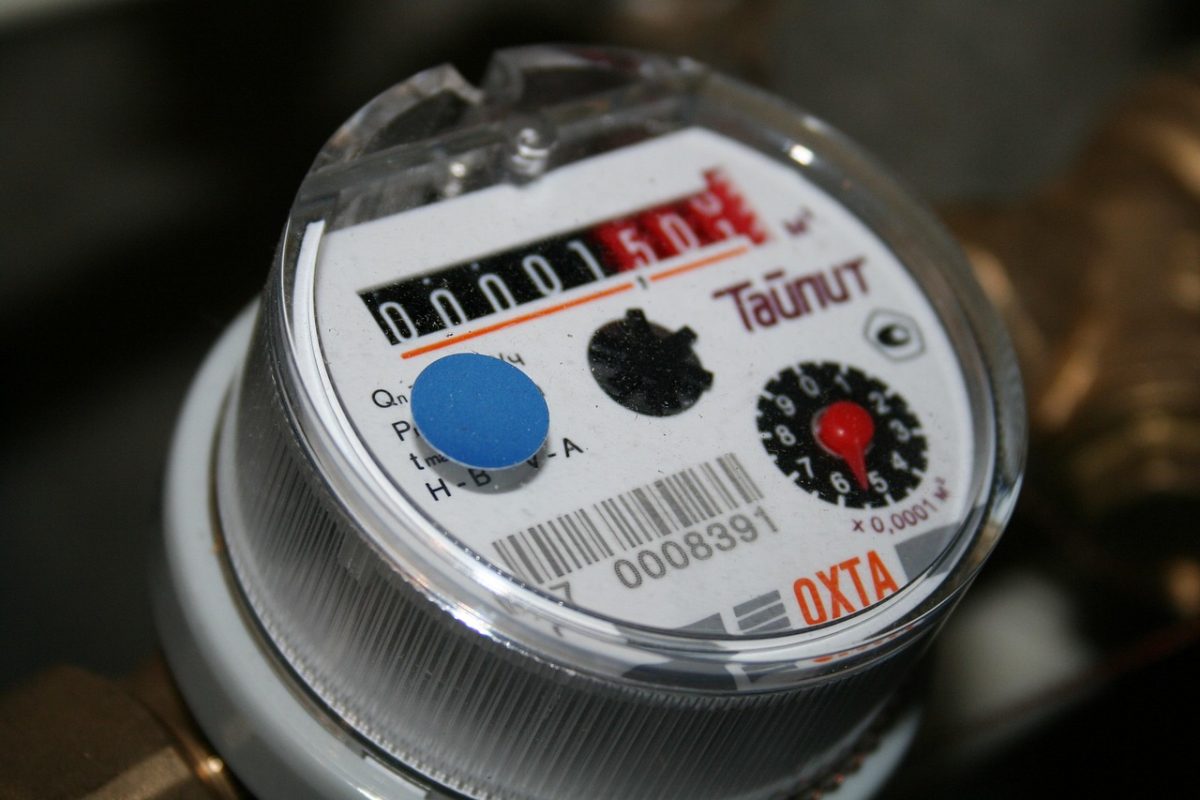
With a multimeter at your main board (covers respected, or isolated), read the phase-to-neutral voltage over a full day. Most inverters trip above roughly 260-270 V or below about 180-190 V. When I commissioned a system near Nashik that tripped every afternoon, the readings peaked at 268 V at 1 pm, a classic overvoltage from a lightly loaded feeder.
Step 4: Check the neutral and earth connections
A loose or high-resistance neutral makes voltage jump around and triggers erratic trips, often paired with flickering lights. Look for warm, discoloured, or loose terminals at the meter, main switch, and inverter AC box. This is real electrical work; if you are not qualified, hand it to an electrician.
Step 5: Verify the grid code and protection settings
If the inverter trips constantly from day one, the installer may have left the wrong country or grid code loaded, so it uses foreign voltage limits. Only the installer or manufacturer should change these, since the correct India grid code is a compliance requirement, not a convenience setting.
Step 6: Escalate with evidence
If your logged voltage regularly sits outside the safe band, the fix is on the supply side. Raise a complaint with your DISCOM and share your readings and timestamps. For persistent overvoltage, a properly rated servo stabiliser or, better, a DISCOM tap-change on the transformer is the durable answer.
When It Is the Grid vs When It Is Your System
The tell is timing and pattern. Trips that cluster at midday point to overvoltage from solar export on a weak feeder; evening trips suggest undervoltage from heavy neighbourhood load. Random, brief trips scattered through the day usually mean a wiring or neutral issue on your side. A trip that lines up perfectly with a visible power cut is simply the grid being absent.
If your readings stay inside the safe window and the inverter still trips, then and only then do you have a genuine hardware or firmware suspect worth a warranty conversation. For decoding the specific message your unit shows, our guide on how to decode inverter error and fault codes walks through the common families. If your trip is paired with an insulation warning, see our notes on solving isolation and insulation-resistance alarms, which sometimes appear together.
For a broader view of diagnosing any solar issue, start with our complete solar troubleshooting guide, which puts grid faults in context with the other alarms you may meet. You can read more about how I test and write these guides on our about page.
Understanding the Limits Your Inverter Enforces
Anti-islanding and grid-protection thresholds are not arbitrary; they follow national interconnection standards so that rooftop solar plays nicely with the grid. In India the relevant limits come from the CEA connectivity regulations and the grid code, and the broad principles align with international norms like IEEE 1547. You do not need to memorise the numbers, but knowing they exist explains why you cannot simply widen the window to stop the trips.
If you want the official policy backdrop on rooftop solar and grid connection in India, the Ministry of New and Renewable Energy publishes the current schemes and guidelines at mnre.gov.in. For the engineering rationale behind anti-islanding protection, the US National Renewable Energy Laboratory has accessible background at nrel.gov. These are worth a read before you argue for a settings change.
Frequently Asked Questions
What does anti-islanding trip mean on a solar inverter?
It means the inverter detected the grid going out of its safe voltage or frequency range and shut down to avoid feeding a dead or unstable grid. This protects utility workers and equipment. It is a required safety function, not a fault in your inverter, and it usually clears when the grid stabilises.
Why does my inverter keep tripping on grid fault at midday?
Midday trips almost always mean grid overvoltage. When solar export is high on a lightly loaded feeder, local voltage rises, and once it crosses the inverter's upper limit the unit trips. Log the voltage at your board around noon; if it exceeds roughly 260 volts, raise it with your DISCOM.
Can I fix a grid fault trip myself?
You can safely read fault codes, log voltage, and check whether a power cut is involved. Anything past that, opening live terminals, tightening a neutral, or changing the grid code, needs a licensed electrician or your installer. The safe DIY part is measurement and record-keeping, not rewiring.
Is a grid fault harmful to my solar system?
A single trip is harmless; the inverter simply pauses and restarts. Repeated daily trips are not damaging in themselves but signal an underlying supply or wiring problem that will cost you generation and should be resolved. If trips are constant from day one, suspect a wrong grid code setting.
Will a voltage stabiliser stop anti-islanding trips?
A properly rated stabiliser can help with persistent overvoltage or undervoltage, but it treats the symptom, not the cause. The better long-term fix is a DISCOM tap change or feeder correction. Never oversize or wrongly wire a stabiliser into a grid-tied system without professional advice.
Conclusion
A grid fault anti-islanding trip is usually your inverter protecting you, not failing you. Work the checks in order, read the code, confirm the grid, measure voltage, inspect the neutral, verify the grid code, and you will pin down the real cause without wasting money on parts you do not need. When the readings point at the supply, take your logs to the DISCOM; when they point at wiring, call a qualified hand. If you want the bigger picture on every alarm your system can throw, browse our complete solar troubleshooting guide and troubleshoot with confidence.