

Key Takeaways
- A solar inverter IP rating has two digits: the first (0-6) is protection from solids and dust, the second (0-9) is protection from water.
- Most outdoor string solar inverters are IP65 or IP66, which means dust-tight plus protection from rain and water jets, not submersion.
- Indoor hybrid and off-grid units are often only IP20 or IP21, so they must sit in a covered, dry space.
- IP65 handles Indian monsoon rain, but it does nothing for heat. Direct afternoon sun still derates output and shortens component life.
- Correct placement, a small shade, vertical mounting with cable glands facing down, and yearly checks matter as much as the rating on the label.
A solar inverter IP rating tells you, in just two small digits, how much dust and water the box can shrug off before the electronics inside are at risk. It is printed on the spec sheet as something like IP65 or IP66, and installers quote it fast, but very few homeowners are told what it actually protects against. After commissioning inverters across coastal Gujarat, dusty Rajasthan, and monsoon-heavy Kerala, I can tell you the rating is only half the story. Where and how you mount the unit decides whether that rating holds up for ten years or fails in the second monsoon.
What the two digits in an IP rating mean
IP stands for Ingress Protection, and the system comes from an international standard called IEC 60529. The letters are always followed by two numbers. The first number rates protection against solid objects and dust. The second rates protection against water. A higher number is better, and if a manufacturer has not tested for one of them, you will sometimes see an X in its place (for example, IPX5).
So when you read IP65 on your inverter, the 6 means the enclosure is fully dust-tight, and the 5 means it can handle water jets from a nozzle in any direction. That covers wind-driven rain. It does not cover a unit sitting in a puddle. Here is what each digit position stands for.
| Digit | First number (solids and dust) | Second number (water) |
|---|---|---|
| 0 | No protection | No protection |
| 4 | Objects over 1 mm, wires | Splashing water from any direction |
| 5 | Dust-protected (limited entry) | Low-pressure water jets |
| 6 | Dust-tight (no entry at all) | Powerful water jets |
| 7 | Not applicable | Temporary immersion up to 1 m |
Common inverter IP ratings and where each one belongs
Not every inverter is built for the same spot. A grid-tied string inverter is designed to hang on an exterior wall, so it needs a strong rating. A hybrid or off-grid unit that lives in a utility room next to the battery bank is often built to a lighter standard because it is never meant to see rain. Buying the wrong class for your location is one of the most common mistakes I see in DIY installs.
| Rating | What it means | Typical use | Safe outdoors? |
|---|---|---|---|
| IP20 / IP21 | Finger-safe, at most drip protection | Indoor hybrid and off-grid inverters | No, indoor only |
| IP54 | Dust-protected, splash-resistant | Sheltered outdoor or veranda spots | Under cover only |
| IP65 | Dust-tight, resists water jets | Most residential string inverters | Yes, on a wall |
| IP66 | Dust-tight, resists powerful jets | Premium and larger string inverters | Yes, harsh sites |
| IP67 | Dust-tight, brief immersion | Microinverters mounted under panels | Yes, on the roof |
For a typical Indian rooftop home with a 3 kW to 5 kW system, an IP65 string inverter is the standard and the right call. If you live on the coast where salt and wind-driven rain are relentless, paying a little more for an IP66 unit is money well spent. Microinverters, which bolt directly beneath the panels and bake in the sun and rain all day, are usually IP67 for exactly that reason.
Does IP65 really mean I can install it anywhere?
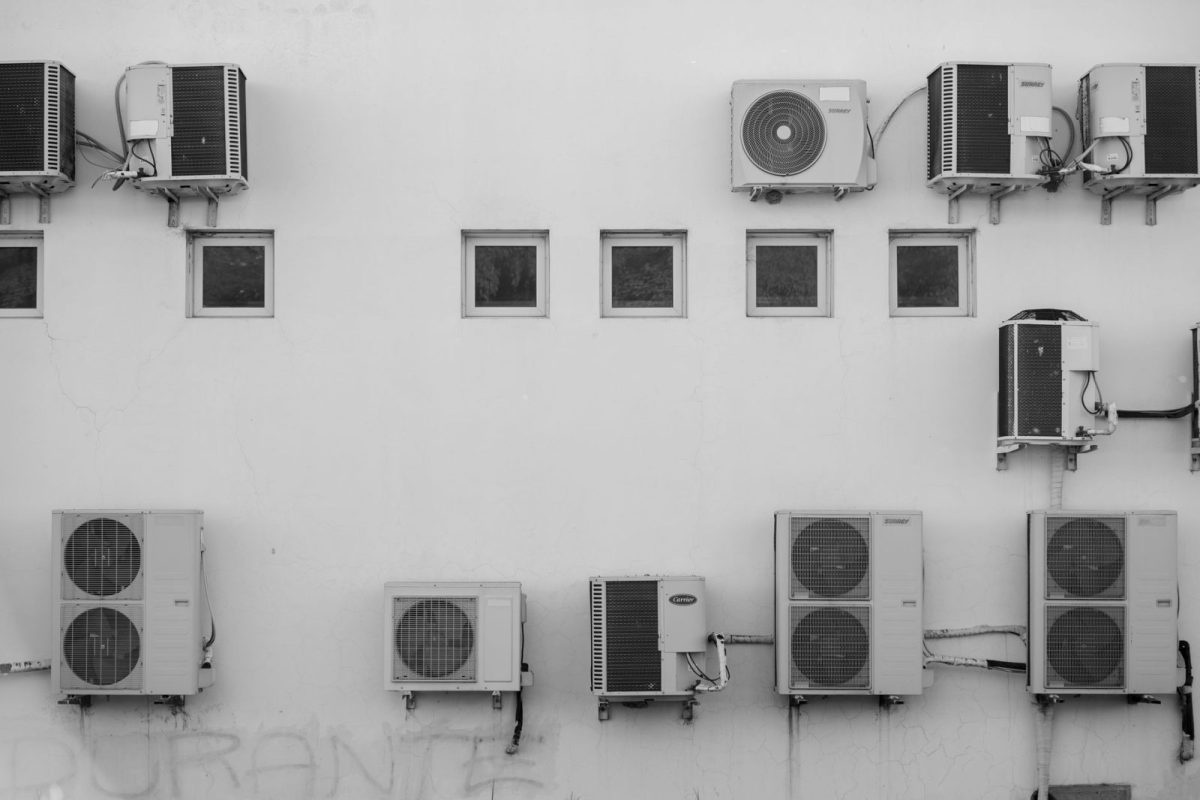
This is where the label misleads people. IP65 is a water and dust test. It says nothing about temperature, and in India heat is the quiet killer of inverters. Every inverter has a rated operating range, and above a certain ambient temperature (often around 45 to 50 degrees Celsius) it starts to derate, meaning it deliberately caps its output to protect itself. On a west-facing wall in a Nagpur summer, an inverter can lose a slice of afternoon production even though it is bone dry inside.
I once traced a client's missing afternoon generation to nothing more than placement. The IP65 inverter was rated perfectly for rain, but it hung in full southwest sun, and the internal temperature sensor was throttling it every day after 2 pm. We built a simple shade canopy over it, and the afternoon dip largely disappeared. The rating was fine. The location was the problem.
Tip: rating protects against water, shade protects against heat
Even a fully weatherproof IP66 inverter runs cooler and lasts longer under a small awning or on a shaded north or east wall. Keeping the enclosure out of direct afternoon sun can lower its internal temperature by several degrees and claw back lost summer output.
Weatherproofing in real Indian conditions
Monsoon and driving rain
IP65 is tested against water jets, which is close to what a heavy monsoon throws at a wall. The catch is orientation. Inverters are designed to be mounted vertically with the cable glands and conduit entries pointing down. Mount it tilted or with cables entering from the top, and you invite water to track along a wire and pool inside a gland where the enclosure never expected it. That single mistake defeats a good rating.
Dust, sand, and coastal salt
A dust-tight IP6X enclosure keeps grit away from the electronics, but dust still settles on the outside heat sink fins and inside the cooling vents of the fan path. In Rajasthan and Gujarat I clean inverter fins twice a year because clogged fins trap heat, and trapped heat brings back the derating problem. On the coast, salt in the air corrodes exposed terminals and mounting screws even on a sealed unit, so stainless hardware and a sheltered wall pay off.
Flooding and low mounting
No residential inverter rating covers being underwater. IP67 survives a brief dunk in a test tank, but that is not the same as a flooded ground floor for two days. In low-lying or flood-prone areas, mount the inverter at least 1.5 metres off the ground, well above any historical water line. It is a small change during installation that saves a very expensive replacement later.
Warning: solar DC stays live in daylight
Opening an inverter or working on DC cabling is not a casual job. The panels produce lethal DC voltage whenever the sun is on them, and it cannot simply be switched off at the meter. Isolate both the AC and DC sides, wait for the unit to fully power down, and if you are not trained for live solar work, hand this to a licensed installer.
A practical weatherproofing checklist
Rating on the label plus a few installation habits is what actually keeps an inverter alive through a decade of Indian weather. Here is the sequence I follow on every job.
- Match the rating to the spot. IP65 or higher for any exterior wall, IP20 units strictly indoors.
- Pick a shaded wall. North or east facing beats a wall that bakes in the afternoon sun.
- Mount it vertically and level, exactly as the manual shows, so water sheds off and airflow works.
- Point every cable gland and conduit entry downward, and seal spare gland holes with the supplied plugs.
- Leave the clearance the manual asks for, usually 10 to 30 cm around the sides and top, so heat escapes.
- Add a simple canopy or awning if the wall gets direct sun for part of the day.
- In flood-prone areas, raise the unit at least 1.5 metres off the ground.
- Clean the heat sink fins and vents twice a year, and check the glands and seals once a year.
If you are still deciding where the box should live, our guide on where to mount a solar inverter walks through the wall, clearance, and orientation choices in more detail. It pairs naturally with the weatherproofing steps above.
How the rating fits into buying decisions
The IP rating rarely changes the price by much on its own, so it should not be the number you obsess over. A jump from IP65 to IP66 might add a small premium on a mid-size string inverter, and for a coastal home that is worth it. For most inland rooftops, a well-placed IP65 unit from a reputable brand is the sweet spot. Weigh it alongside efficiency and warranty rather than in isolation. Our breakdown of inverter efficiency ratings and the current solar inverter cost in India will help you see where a weather rating sits in the overall value.
For the wider context on choosing, sizing, and living with an inverter, start with our complete solar inverter guide. If you want to confirm a manufacturer's claims, the Ministry of New and Renewable Energy publishes approved model lists and standards at the MNRE portal, and the U.S. Department of Energy has useful primers on how inverters work.
Frequently Asked Questions
What IP rating should a solar inverter have in India?
For an outdoor wall-mounted string inverter, aim for at least IP65. That gives you a dust-tight, rain-resistant enclosure suitable for most Indian rooftops. On the coast or in very exposed sites, step up to IP66. Indoor hybrid units can be lower, such as IP20.
Can I install an IP65 inverter in direct sunlight?
You can, but you should not if you can avoid it. IP65 protects against dust and water, not heat. Direct afternoon sun raises the internal temperature and can trigger derating, cutting your output. A shaded wall or a small canopy keeps it cooler and helps it last longer.
Is IP66 worth the extra cost over IP65?
For most inland homes, IP65 is enough and the premium for IP66 is optional. If you live near the sea, in a very dusty region, or somewhere with fierce wind-driven rain, IP66 resists more powerful water jets and gives useful extra margin. Match the rating to your local weather.
Will an IP65 inverter survive a flood?
No. IP65 resists water jets, not submersion, and even IP67 only handles brief immersion in a controlled test. A real flood that leaves the unit underwater for hours will likely destroy it. In flood-prone areas, mount the inverter at least 1.5 metres above the ground and above any past water line.
Do I need to do anything to maintain the weatherproofing?
Yes. Once a year, check that cable glands are tight, the seals are intact, and no gland holes are left open. Clean the heat sink fins and cooling vents twice a year so trapped dust does not cause overheating. These simple checks keep the original IP rating working as intended.
Getting the rating and the placement right together
An IP rating is a promise about dust and water, and a good one is worth having. But the label alone will not protect your investment. The inverters I have seen fail early were almost never let down by their rating. They were mounted in full sun, tilted so rain crept in, or left with clogged fins for years. Buy the right class for your site, then give it a shaded, vertical, well-ventilated home and a yearly look-over. Ready to choose the right unit for your rooftop? Our solar inverter guide takes you from sizing to setup with the same practical eye.