


Key Takeaways
- Sizing a solar panel array starts with your real electricity use, not the roof size or a salesperson's round number.
- The core formula: array size (kW) = daily units needed divided by your location's average peak sun hours, adjusted for system losses.
- Most Indian homes land between 2 kW and 5 kW; a 1 kW array typically needs 2 to 3 modern panels and about 70 to 90 square feet of shade-free roof.
- Always size to your usable, unshaded roof and your sanctioned load, then check net-metering caps before you finalise.
- Round up slightly for future EV or AC load, but oversizing beyond your net-metering limit just wastes money.
Getting the size right is the single decision that makes or breaks a rooftop system, and sizing a solar panel array is far simpler than most vendors make it sound. I am Arjun Mehta, and over dozens of residential commissions across India I have watched under-sized systems leave families still paying big bills, and over-sized ones waste lakhs on panels that never earn back. In this guide you will learn exactly how many solar panels you need, how to work out the panel wattage needed from your own electricity bill, and the step-by-step array sizing math I use on site, including the roof, shading, and net-metering checks that catch people out.
Start With Your Electricity Bill, Not the Roof
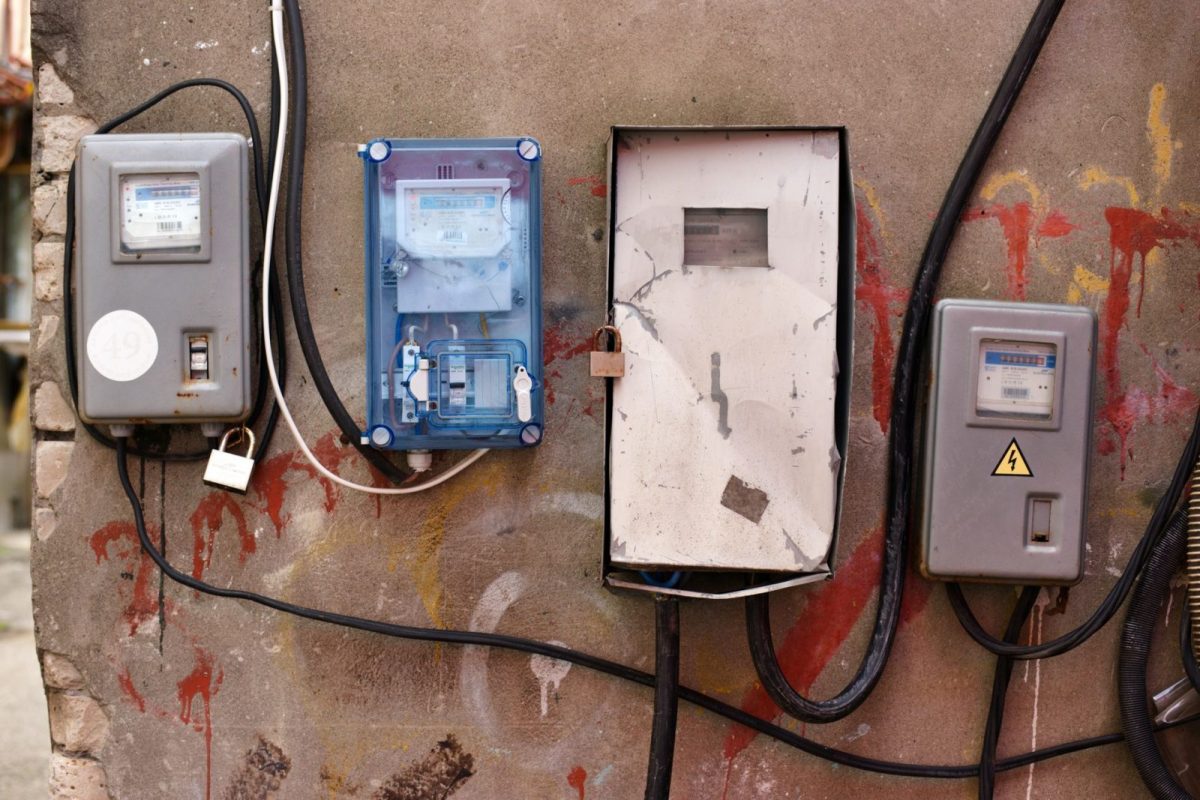
The number that matters is your monthly consumption in units (kWh), printed on every electricity bill. Pull out the last twelve bills and note the units billed each month, because summer AC load and winter usage differ a lot. Take the average, or better, size for your higher-consumption months so the system carries you through peak season.
Say your bills average 300 units a month. That is roughly 10 units per day. When I sit with a homeowner, this single figure drives everything that follows; the roof and the budget come later. If you are still learning the fundamentals, our complete guide to solar panels is worth reading alongside this one.
Understand Peak Sun Hours for Your Location
A panel rated 400 W does not push 400 W all day. Its output rises and falls with the sun, so we use "peak sun hours" (PSH) to represent how many full-strength hours your location effectively gets. Most of India sits between 4.5 and 6 peak sun hours on an annual daily average, with sunnier states like Rajasthan and Gujarat at the higher end and cloudier or northern regions lower.
For planning I use a conservative 4.5 to 5 PSH for most homes, because a realistic figure beats an optimistic one when money is on the line. You can cross-check your area's solar resource on the freely available Global Solar Atlas maintained with World Bank support.
The Array Sizing Formula I Use on Site
Here is the working equation, and it is the same one I scribble on a notepad for every client. It accounts for real-world losses from heat, dust, wiring, and inverter conversion, which typically eat 20 to 25 percent of the theoretical yield.
Array size (kW) = Daily units needed / (Peak sun hours x System efficiency)
Using our example of 10 units per day, 5 PSH, and 0.8 efficiency (a 20 percent loss allowance): 10 / (5 x 0.8) = 10 / 4 = 2.5 kW. So a home using 300 units a month needs roughly a 2.5 kW array. That is the panel wattage needed expressed as total array capacity, and everything else is just arranging panels to hit it.
How Many Solar Panels Does That Mean?
Once you know the kW, dividing by the panel wattage gives the count. Modern residential panels commonly run 400 W to 550 W. Take our 2.5 kW (2500 W) array: with 500 W panels that is 2500 / 500 = 5 panels; with 400 W panels it is about 7 panels. Higher-wattage panels mean fewer modules and less roof area, which matters when space is tight.
The table below is the quick-reference I keep for common Indian home sizes, assuming roughly 5 peak sun hours and a 20 percent loss allowance. Treat it as a starting estimate, then refine with your own bill.
| Monthly units (kWh) | Array size (kW) | Panels at 400 W | Panels at 550 W | Approx. roof area |
|---|---|---|---|---|
| 150 | 1.25 kW | 3 to 4 | 2 to 3 | 90 to 120 sq ft |
| 300 | 2.5 kW | 6 to 7 | 5 | 170 to 220 sq ft |
| 450 | 3.75 kW | 9 to 10 | 7 | 260 to 330 sq ft |
| 600 | 5 kW | 12 to 13 | 9 to 10 | 350 to 450 sq ft |
Step-by-Step: Sizing Your Array From Scratch
Here is the exact sequence I walk through on a site visit. Do these in order and you will not miss the checks that trip people up.
- Average your units. Add up 12 months of billed units and divide by 12, or use your peak-season months if you run AC heavily. Convert to a daily figure by dividing by 30.
- Pick your peak sun hours. Use 4.5 to 5 for most of India; check the Global Solar Atlas for your district.
- Apply the formula. Daily units / (PSH x 0.8) gives your array size in kW.
- Choose a panel wattage. Divide array watts by panel watts to get the module count; prefer higher wattage if roof space is limited.
- Measure usable roof. Map the shade-free area and confirm it fits the panels plus walkway clearance.
- Check your sanctioned load and net-metering cap. Your DISCOM usually limits rooftop capacity to your sanctioned load; confirm before finalising.
- Round sensibly. Nudge up 10 to 20 percent only if you expect an EV or new AC soon, staying within your net-metering limit.
Tip: If your roof cannot fit the full array, size the inverter to the panels you can actually install rather than to your bill. A right-sized 2 kW that runs beats a "planned" 4 kW that never gets built.
Cross-Check With an Appliance Load Estimate
When someone has no clean bill history, or wants to sanity-check the bill, I build the daily units from the ground up. List each major appliance, its wattage, and the hours it runs, then multiply and total them. A 1.5-ton inverter AC drawing about 1200 W for 6 hours is roughly 7.2 units on its own, which is why summer bills balloon.
Add fans, lights, fridge, pump, and geyser and you quickly see where your units go. This bottom-up estimate should land close to your bill's daily average; if it does not, one of your assumptions is off. Feed the reconciled daily figure back into the array sizing formula for a number you can trust.
Don't Forget the Roof: Area, Orientation, and Shading
The math gives you a target; the roof decides what is possible. As a rule of thumb, plan around 70 to 90 square feet of clear roof per kilowatt for typical modules, plus space to walk and clean. South-facing tilt is ideal in India, but east or west works with a modest yield trade-off.
Shading is the silent killer. On one Pune install, a single overhead water tank shadow across two panels was dragging a whole string down every afternoon until we re-laid the array. How your panels are wired around obstacles matters too; our explainer on series versus parallel solar panel wiring shows why shading on one panel can hurt others.
When Bifacial or Higher-Wattage Panels Change the Count
If roof space is your bottleneck, denser or bifacial panels let you hit the same kW with fewer or smaller modules. Bifacial panels capture reflected light from the rear and can add useful yield on a bright, reflective rooftop, though the real-world gain varies. Before you pay a premium, read our honest take on whether bifacial solar panels are worth it for a typical home.
Whatever panel you pick, keep the array sizing math anchored to your kW target. A 6 x 550 W layout and a 8 x 400 W layout both reach roughly 3.3 kW; choose the one that fits your roof and budget cleanly.
Net Metering and Sanctioned Load: The Cap That Bites
In most Indian states your rooftop capacity is capped at your sanctioned load, and net-metering rules limit how much you can export. I have seen homeowners buy a 5 kW system against a 3 kW sanctioned load, then wait weeks for a load enhancement. Sort this out before you finalise the array.
Safety warning: Rooftop solar involves DC voltages that stay live in daylight, mains wiring, and work at height. Do the sizing math yourself, but leave DC string wiring, earthing, and grid connection to a certified installer. Never open live DC connectors or work on the roof alone. See our disclaimer for how to use this guidance responsibly.
You can confirm current subsidy and net-metering norms on the government portal at MNRE, since these change and vary by state DISCOM.
Frequently Asked Questions
How many solar panels do I need for a 3 kW system?
A 3 kW array needs about 6 panels at 500 W each, or roughly 7 to 8 panels at 400 W. Higher-wattage modules cut the count and save roof space. Confirm your monthly units first, since 3 kW suits a home using around 350 to 400 units a month.
How do I calculate the panel wattage needed from my bill?
Take your daily units used, divide by your peak sun hours, then divide by about 0.8 to allow for losses. That gives array size in kW. Multiply by 1000 and divide by your chosen panel wattage to get the number of panels needed.
Should I oversize my solar array for the future?
A modest 10 to 20 percent buffer is sensible if you plan to add an EV charger or new AC. Beyond that, oversizing wastes money because net-metering caps and your sanctioned load limit how much excess you can bank or export.
How much roof space does 1 kW of solar need?
Plan for roughly 70 to 90 square feet of shade-free roof per kilowatt with typical panels, plus room to walk and clean. Higher-efficiency modules need slightly less. Always leave clearance around vents, tanks, and edges for safe access.
Conclusion
Sizing a solar panel array well is honest arithmetic: real bill units, a conservative peak-sun figure, a loss allowance, then a reality check against your roof and net-metering cap. Do that and you land on a system that pays for itself instead of one built on a hopeful round number. When you are ready to go deeper on modules, wiring, and installation, start with our complete guide to solar panels and size with confidence.