


Key Takeaways
- A solar battery stores the extra DC electricity your panels make during the day so you can use it at night or during a power cut.
- The core cycle is simple: panels charge the battery, a charge controller protects it, and an inverter converts stored DC into the AC your home runs on.
- Most home batteries today use lithium (LFP) chemistry, which lasts longer and handles India's heat and daily cycling better than old lead-acid types.
- Two numbers matter most when you start: usable capacity in kWh (how much you can draw) and depth of discharge (how much of it you can safely use).
- A battery is optional on a grid-tied system, but it is what gives you real backup when the grid goes down.
If you have ever wondered how solar batteries work, the short answer is that they act like a rechargeable bank for the sunshine your roof collects. Your panels make plenty of power at noon, but you cook, run fans, and watch TV mostly after sunset. A battery bridges that gap. Over dozens of installs across Indian homes, I have seen the same lightbulb moment when people finally understand this flow, so that is exactly what I will walk you through here. By the end you will know the charge-and-discharge cycle, the parts involved, the main battery chemistries, and how to read the two specs that actually matter.
What a solar battery actually does
Think of your solar system as a tap and a bucket. The panels are the tap, pouring out power whenever the sun shines. Your home is the drain, using power on its own schedule. Without storage, any water you do not use right away runs off. A battery is the bucket that catches the overflow for later.
In practice that means midday surplus gets saved instead of exported for a small credit, and it comes back to you in the evening or during a blackout. That single function, shifting energy from when it is made to when it is needed, is the heart of every home battery. Everything else is just the plumbing that makes it safe and usable.
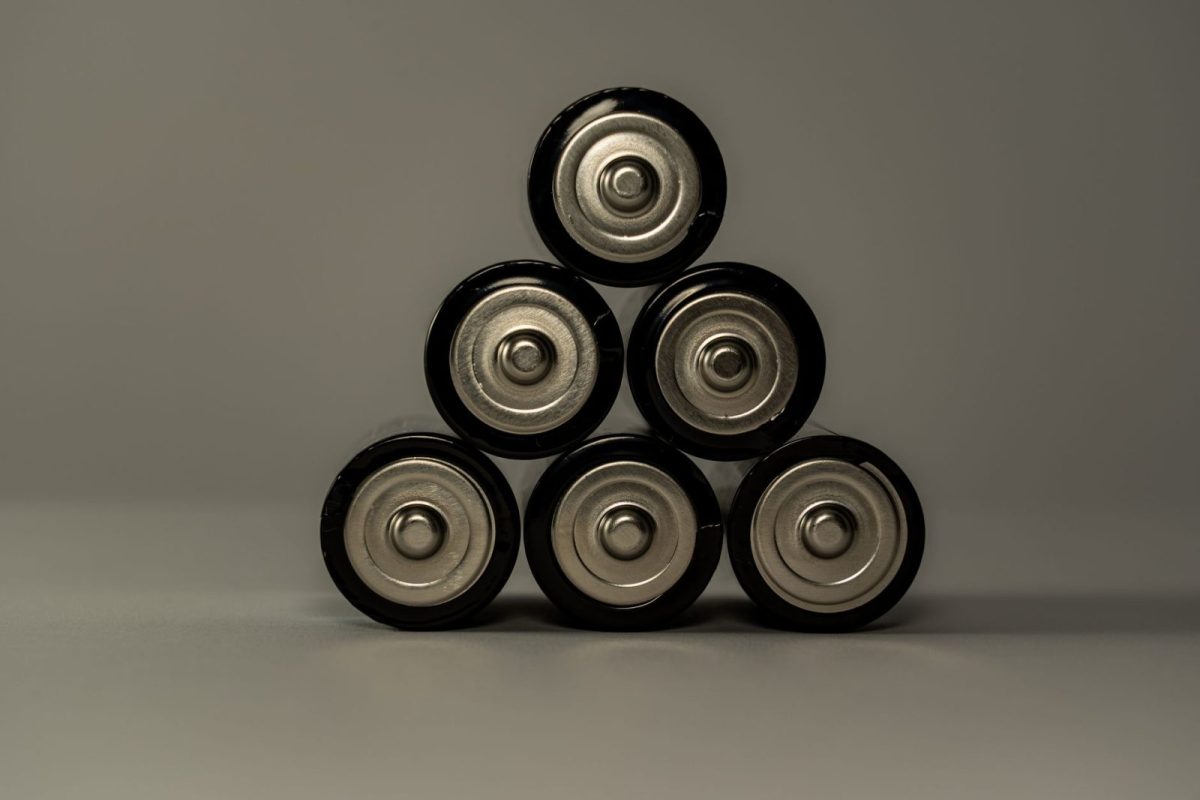
Battery storage basics: the charge and discharge cycle
Here is the full loop in plain terms. Sunlight hits the panels and they produce direct current, or DC, electricity. That DC first passes through a charge controller (or the charging stage of a hybrid inverter), which decides how fast and how full to charge the battery without damaging it.
The battery then holds that energy chemically until you need it. When you switch on a load, the stored DC flows out, an inverter converts it into the 230V AC that Indian appliances use, and your lights come on. When the sun returns the next day, the cycle repeats. One full charge and discharge is called a cycle, and the number of cycles a battery can do is a big part of its lifespan.
Tip: Panels and batteries both speak DC, while your home speaks AC. That is why the inverter is the busiest component in the system, translating in both directions all day long. If you want the deeper story on how home batteries store energy, that translation step is the piece most beginners overlook.
The four parts that make it work
You do not need to be an electrician to picture the system, but knowing the four blocks helps you talk to installers and read quotes without feeling lost. Each part has one clear job.
| Component | Its one job | Why it matters to you |
|---|---|---|
| Solar panels | Turn sunlight into DC electricity | Sets how much energy is available to store each day |
| Charge controller / hybrid inverter | Regulate charging safely | Protects the battery from overcharge and extends its life |
| Battery bank | Store energy chemically | Decides how many hours of backup you get |
| Inverter | Convert DC to home-usable AC | Determines what appliances you can run at once |
In many modern setups the charge controller and inverter live inside a single hybrid inverter box, which is why quotes sometimes list only three items. The functions are all still there; they are just combined into one smart unit.
Battery chemistry basics: what is inside the box
Inside every battery, energy is stored and released through a chemical reaction between two electrodes and an electrolyte. When charging, ions move one way; when discharging, they move back, pushing electrons through your circuit. The chemistry chosen decides the price, weight, lifespan, and how the battery copes with heat.
For Indian homes, two families dominate. Lead-acid is the older, cheaper technology many of us know from inverter-UPS backups. Lithium, especially lithium iron phosphate (LFP), is the newer standard for solar storage because it lasts far longer, tolerates deep daily cycling, and handles our summer heat with less fuss.
| Feature | Lead-acid | Lithium (LFP) |
|---|---|---|
| Upfront cost | Lower | Higher |
| Typical cycle life | Shorter | Much longer |
| Usable depth of discharge | Around half | Most of the capacity |
| Maintenance | Often needs topping up | Essentially maintenance-free |
| Heat tolerance | Sensitive | More forgiving |
When I commissioned a hybrid system for a family in a load-shedding-prone town, they had started with a lead-acid bank that they were replacing every few years. Switching to LFP meant they could actually drain most of the capacity each evening instead of babying it, and the daily routine got a lot simpler. That real-world difference in usable energy is why chemistry is not just a spec-sheet detail. For a fuller breakdown, see our guide to the best solar battery types for Indian homes.
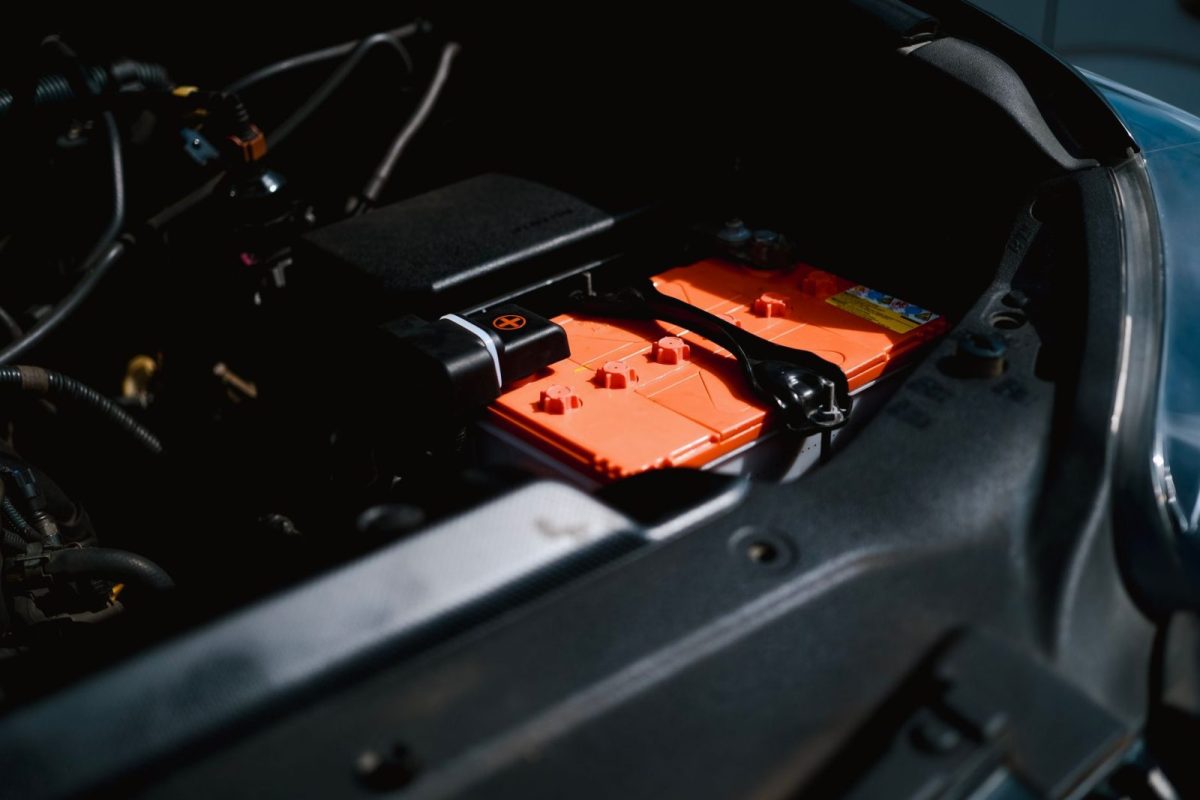
How home batteries store energy: the two specs that matter most
Marketing sheets throw a dozen numbers at you, but as a beginner you only need two to start making sense of any battery.
1. Usable capacity (kWh)
Capacity measured in kilowatt-hours tells you how much energy the battery holds. A rough way to feel it: a 5 kWh usable battery can run a fan, a few LED lights, a TV, and a router through most of an evening. Add air conditioning and that same battery empties much faster. Always ask for the usable figure, not the nameplate total.
2. Depth of discharge (DoD)
Depth of discharge is the share of the battery you can safely drain before recharging. Lead-acid often wants you to stop around halfway to protect its life, while LFP typically lets you use most of it. So a lithium battery with a smaller nameplate can deliver more real, usable energy than a bigger lead-acid one, which surprises a lot of first-time buyers.
Safety warning: Battery banks store serious DC energy, and DC wiring, mains connections, and roof work are not casual DIY jobs. Incorrect polarity or an undersized cable can cause overheating or fire. Always have a certified installer size the cabling, fusing, and earthing, and never open a sealed battery pack. When in doubt, read our disclaimer and call a professional.
Do you even need a battery?
Here is the honest part many sellers skip. If you are on a grid-tied connection with net metering, you can run solar with no battery at all and simply export your surplus for credit. The grid effectively becomes your storage. In that setup a battery is a choice, not a requirement.
So why add one? Because net metering does not help you during an actual power cut, and a plain grid-tied inverter shuts off for safety when the grid fails. A battery, paired with a hybrid inverter, is what keeps your lights on when the neighbourhood goes dark. In parts of India with frequent outages, that backup is the whole reason people invest in storage. You can read the official framing of grid-connected rooftop policy on the MNRE website and see how programmes like home solar planning guides from the U.S. Department of Energy describe the same trade-offs.
A simple worked example
Say your evening essentials add up to about 0.5 kW of continuous draw: a couple of fans, several lights, a TV, and phone charging. Over a five-hour evening that is roughly 2.5 kWh of energy. A 5 kWh usable battery would comfortably cover that with headroom to spare, even accounting for small conversion losses in the inverter.
Now add a 1.5 kW air conditioner for two of those hours and you have piled on another 3 kWh. Suddenly the same battery is stretched thin. This is the exact math I walk homeowners through before they buy, because it turns a vague wish for backup into a real number. To go deeper on sizing and shortlists, our complete guide to solar batteries covers the whole decision end to end.
Frequently Asked Questions
How do solar batteries work in the simplest terms?
Your panels make DC electricity during the day. A charge controller safely sends the surplus into the battery, which stores it chemically. When you need power at night or during a cut, that stored energy flows out through an inverter, which converts it to the AC your appliances use.
How long does a solar battery last?
Lifespan is measured in charge cycles rather than years. A quality lithium (LFP) home battery lasts far more cycles than lead-acid, which usually means many years of daily use. Heat, deep over-discharging, and poor charging habits shorten that life, so good installation and ventilation matter.
Can I run my whole house on a solar battery?
You can, but it depends on capacity and your inverter rating. Most homeowners back up only essential circuits, such as lights, fans, and a fridge, rather than heavy loads like air conditioners or geysers. Backing up everything needs a much larger, and more expensive, battery bank.
Is a battery required for a rooftop solar system?
No. A grid-tied system with net metering works fine without one, exporting surplus to the grid for credit. A battery is only essential if you want backup power during outages, since standard grid-tied inverters switch off when the grid fails for safety reasons.
What is depth of discharge and why should I care?
Depth of discharge is how much of the battery you can safely use before recharging. Lithium batteries let you use most of their capacity, while lead-acid types want you to stop around halfway. It directly affects how much real, usable energy you get from the size you buy.
Bringing it all together
Once you see a solar battery as a bucket that catches midday surplus and hands it back after dark, the rest falls into place: panels charge it, a controller protects it, and an inverter turns its stored DC into the AC your home runs on. Start by learning your evening load, then look at usable kWh and depth of discharge before anything else. When you are ready to compare real options and sizes, take your time with our complete guide to solar batteries, or jump to our solar battery FAQ with 15 questions answered for quick clarity on the details that come up most.