

Key Takeaways
- For most Indian homes today, the best solar battery for home use is a lithium iron phosphate (LFP) pack. It is safe, tolerates our heat reasonably well, and lasts far longer than tubular lead-acid.
- Tubular lead-acid is still the cheapest upfront and works fine for small backup-only setups, but it wastes 20 to 30 percent of your stored energy and needs water top-ups.
- Match battery chemistry to how you use power: daily solar cycling favours LFP, occasional grid-outage backup can still justify lead-acid.
- Usable capacity, depth of discharge, and warranty cycle count matter more than the sticker Ah rating.
- Buy a battery that speaks the same voltage and communication language as your inverter, or budget for a hybrid inverter upgrade.
Choosing the best solar battery for home use in India is less about picking a brand and more about matching chemistry to how you actually live with power cuts and solar. I am Arjun Mehta, and over the years of commissioning residential systems across a few Indian states, I have swapped out more dead lead-acid banks than I can count and watched LFP quietly take over. In this guide you will learn the real battery types available here, how they compare on life, safety and cost, which one fits your usage pattern, and the sizing and buying traps that quietly drain your budget.
The Battery Types You Will Actually See in India
Ignore the marketing zoo of names. For home solar in India, four chemistries cover almost everything you can buy. Each has a clear personality, and knowing it saves you from an expensive mismatch.
1. Tubular Lead-Acid (the incumbent)
This is the tall battery you already know from your inverter room. It is cheap, widely serviced, and every local electrician can revive one. The trade-offs are real: it likes only shallow discharge, wastes energy as heat, needs distilled-water top-ups, and typically gives 3 to 5 years of honest service before capacity fades. For a backup-only home that sees the grid most of the day, it can still make budget sense.
2. Lithium Iron Phosphate, LFP or LiFePO4 (my default pick)
LFP is the residential solar battery I recommend first for most homes now. It handles deep daily cycling, delivers 90 percent-plus round-trip efficiency, needs zero watering, and shrugs off Indian summers better than other lithium types. When I commissioned my first LFP-based home system, the owner was surprised the battery bank was the size of a small suitcase instead of a wardrobe. It costs more upfront but the cost per usable cycle is usually the lowest.
3. NMC Lithium (high energy density)
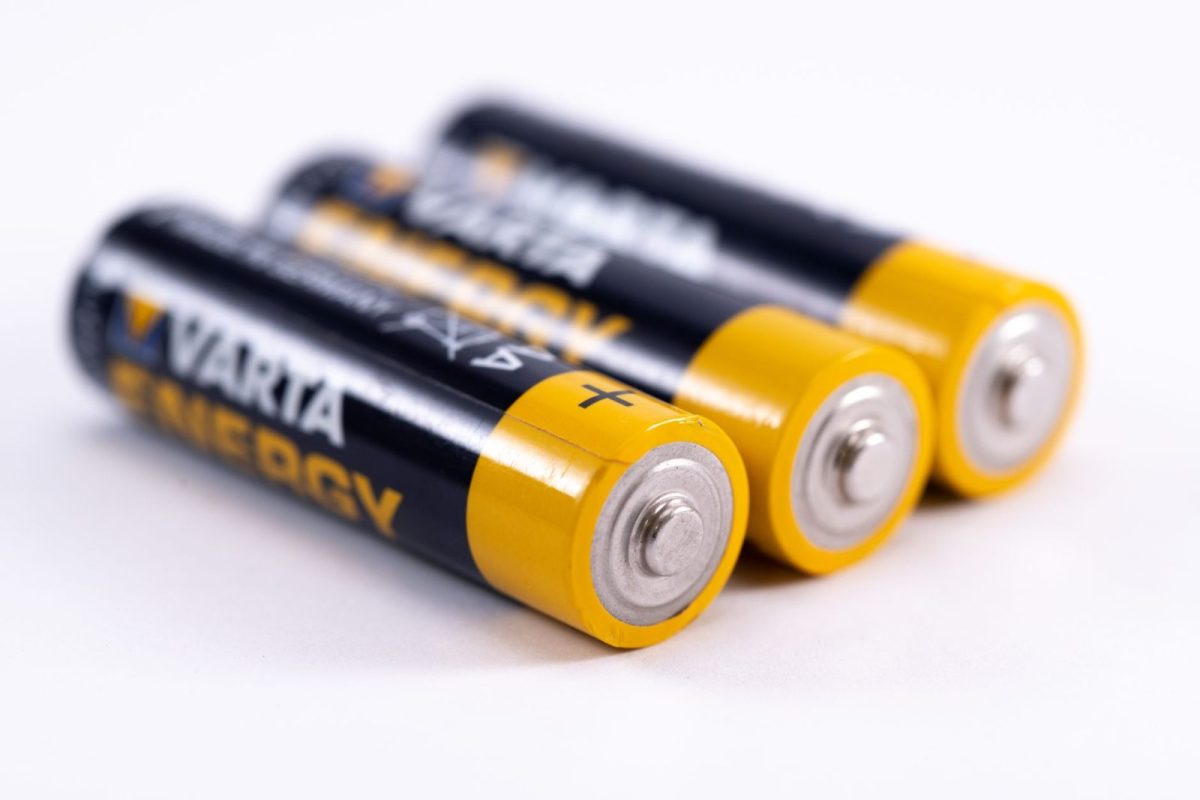
Nickel manganese cobalt cells pack more energy into less weight, which is why they dominate EVs. In homes they show up in some imported all-in-one units. They work well, but they run hotter and are less forgiving of abuse than LFP, so in an un-air-conditioned Indian utility room I lean away from them for fixed storage. If you want the deeper trade-off, read our comparison of LFP vs NMC vs lead-acid solar batteries.
4. Gel and AGM (sealed lead-acid)
These are maintenance-free lead-acid variants: no watering, less gassing, tidy for indoor mounting. They cost more than tubular for similar life, so I treat them as a niche pick for clean indoor installs or telecom-style backup rather than a primary daily-cycling home battery.
Best Home Batteries Compared at a Glance
Here is how the main options stack up on the factors that actually change your electricity experience and your wallet. Treat the figures as honest typical ranges for the Indian market, not guarantees for a specific model.
| Factor | Tubular Lead-Acid | Gel / AGM | LFP (LiFePO4) | NMC Lithium |
|---|---|---|---|---|
| Typical cycle life | ~500-1,500 | ~600-1,200 | ~3,500-6,000 | ~2,000-4,000 |
| Usable depth of discharge | ~50% | ~50% | ~90% | ~90% |
| Round-trip efficiency | ~70-80% | ~75-85% | ~92-98% | ~92-96% |
| Maintenance | Water top-ups | None | None | None |
| Heat tolerance (India) | Moderate | Moderate | Good | Lower |
| Upfront cost per kWh | Lowest | Low-medium | Higher | Higher |
| Best for | Occasional backup | Clean indoor backup | Daily solar cycling | Compact energy-dense builds |
Tip: Do not compare batteries on the Ah number alone. A 150 Ah tubular battery at 12V that you can only drain halfway gives you about 0.9 kWh usable, while a 100 Ah LFP at 12V drained to 90 percent gives about 1.1 kWh usable and lasts several times longer. Always compare usable kWh over the warranty.
How to Pick the Best Solar Battery for Your Home
The right answer depends on your usage pattern more than on any ranking. Over a few installs I noticed the same three questions decide the battery every time. Work through them honestly before you spend.
- How often will the battery cycle? If solar charges it and your home draws it down every single day, you want LFP. If it just sits waiting for the odd power cut, tubular lead-acid can be justified.
- How much usable backup do you actually need? Add up the watts of the things you must keep running during an outage (lights, fans, router, maybe the fridge) and multiply by the hours you want to cover. That is your usable kWh target.
- What does your inverter support? A plain lead-acid inverter cannot properly talk to a lithium battery management system. For LFP you usually need a lithium-compatible or hybrid inverter and matched voltage.
A quick worked example
Say you want to run four fans, six LED lights, a router and a TV, roughly 400 watts, for five hours of backup. That is about 2 kWh of energy you need to pull from the battery. With LFP at 90 percent usable, a 2.5 kWh nominal pack covers it comfortably. With tubular lead-acid at 50 percent usable, you would need roughly 4 kWh nominal to deliver the same 2 kWh, plus you replace it years sooner. That gap is why LFP wins on lifetime cost for daily use.
Top Home Batteries: Which Chemistry Wins for Which Home
There is no single champion, so here is how I actually recommend among the top home batteries by situation. This is the shortcut I give homeowners after the walkthrough above.
- Grid-tied home adding solar for daily savings: LFP. It cycles daily for years and pairs cleanly with a hybrid inverter and net metering.
- Frequent long outages, off-grid leaning: LFP, sized generously, for deep repeated discharge without damage.
- Rare, short power cuts and a tight budget: tubular lead-acid is defensible; you are paying for occasional backup, not cycling.
- Clean indoor install, no maintenance access: gel or AGM if lithium is out of budget, otherwise a compact LFP unit.
Safety warning: Battery banks store serious energy and connect to DC wiring and, through the inverter, to mains. Incorrect polarity, undersized cables or a missing DC fuse can cause fires. Have a qualified installer handle the DC connections, fusing and earthing. Never open a lithium pack or bridge its battery management system, and keep any battery well ventilated and away from direct sun.
Installation, Charging and Monitoring Realities
A battery is only as good as the install around it. Location matters most in India: a battery baking in an unshaded utility room next to the meter will age faster than the same pack in a cooler, ventilated corner. I always mount packs off the floor, away from direct afternoon sun, with a little air gap for cooling.
Charging behaviour differs by chemistry too. Lead-acid wants a slow, staged charge and hates sitting half-empty, which is exactly what daily solar use does to it. LFP is far happier being cycled and can accept faster charge from a decent solar array. If your battery supports monitoring over an app or display, use it; watching state of charge and cell temperature for the first few weeks tells you whether your sizing was honest or optimistic.
Warranty, Cycle Life and the Real Cost Question
Sticker price fools a lot of first-time buyers. The honest number is cost per usable kWh delivered across the warranty. A cheaper battery that dies in three years and only gives you half its capacity often costs more per unit of real backup than a pricier LFP rated for thousands of cycles. Read the warranty for its cycle count and its end-of-life capacity threshold, not just the years.
Also check what voids the warranty in Indian conditions: ambient temperature limits, depth-of-discharge limits, and whether you must use an approved inverter. For a full framework on this, see our guide on common solar battery buying mistakes to avoid, and cross-check any subsidy or net-metering rules with the official Ministry of New and Renewable Energy before you buy.
Frequently Asked Questions
Which is the best solar battery for a home in India?
For most Indian homes doing daily solar cycling, a lithium iron phosphate (LFP) battery is the best choice. It offers long life, high efficiency, good heat tolerance and no maintenance. Tubular lead-acid only wins on upfront price for rare, short backup needs.
How long does a home solar battery last?
Tubular lead-acid typically lasts 3 to 5 years, while a good LFP battery can last 8 to 12 years or more, often rated for 3,500 to 6,000 cycles. Actual life depends on how deeply and how often you discharge it and how hot its location gets.
Can I connect a lithium battery to my existing inverter?
Often no. A basic lead-acid inverter cannot communicate with a lithium battery management system and may charge it incorrectly. You usually need a lithium-compatible or hybrid inverter with matched voltage. Always confirm compatibility before buying, or budget for an inverter upgrade.
Is lead-acid still worth buying for home solar?
Yes, in narrow cases. If you only need occasional short backup during rare power cuts and your budget is tight, tubular lead-acid is defensible. For daily solar cycling and long-term savings, LFP almost always delivers lower cost per usable kilowatt-hour over its life.
What size battery do I need for my home?
Add up the wattage of the appliances you must run during an outage, multiply by the hours of backup you want, and that is your usable kWh target. Then divide by the battery's usable depth of discharge to get the nominal capacity to buy.
The Bottom Line
For the majority of Indian homes wiring in solar today, LFP is the best solar battery for home use because it wins on life, efficiency and heat tolerance, and lead-acid survives only where backup is rare and budgets are tight. Match the chemistry to how you use power, size for usable kWh, and confirm your inverter agrees with your battery. When you are ready to go deeper, read our complete guide to solar batteries, and if you want to know more about how we test and write, see our about page.