


Key Takeaways
- A solar battery stores daytime PV energy so you can use it at night or during a grid outage, but it is not something every Indian home actually needs.
- The three chemistries you will meet are lead-acid (cheapest, shortest life), LFP (the current sweet spot for homes), and NMC (compact, common in imported packs).
- Size the battery around your critical backup load and how many hours you must ride through, not around your full daily consumption.
- Usable capacity, cycle life, and depth of discharge matter far more than the headline kWh number on the label.
- For pure outage backup a good inverter-battery combo often beats a lithium pack on cost, while lithium wins on lifespan, footprint, and daily solar self-consumption.
If you are shopping for storage, this solar battery guide is the honest, installer's-eye overview I wish more homeowners read before they spent money. I am Arjun Mehta, and over years of commissioning rooftop systems across Indian homes I have seen batteries transform an experience and I have seen them sit half-used because the buyer chased the wrong number. Here you will learn how solar batteries actually work, the main solar battery types and their trade-offs, how to size and choose one, what the spec sheet is really telling you, and whether you even need a battery at all. No hype, no fake test data, just the reasoning I use on real jobs.
What a solar battery does (and does not) do
A solar battery is a rechargeable store that soaks up energy your panels make during the day and hands it back when you need it. That is the whole job. It does not make your panels produce more, and it does not magically cut your bill unless your tariff or outage pattern rewards stored energy.
People buy storage for two very different reasons. The first is backup: keeping fans, lights, the fridge, and the router alive when the grid drops. The second is self-consumption: using your own solar in the evening instead of exporting it cheaply and buying it back expensive. Knowing which goal is yours changes almost every decision that follows, which is why I always start there. We compare these two goals in detail in our guide to backup versus self-consumption battery setups.
How solar batteries work
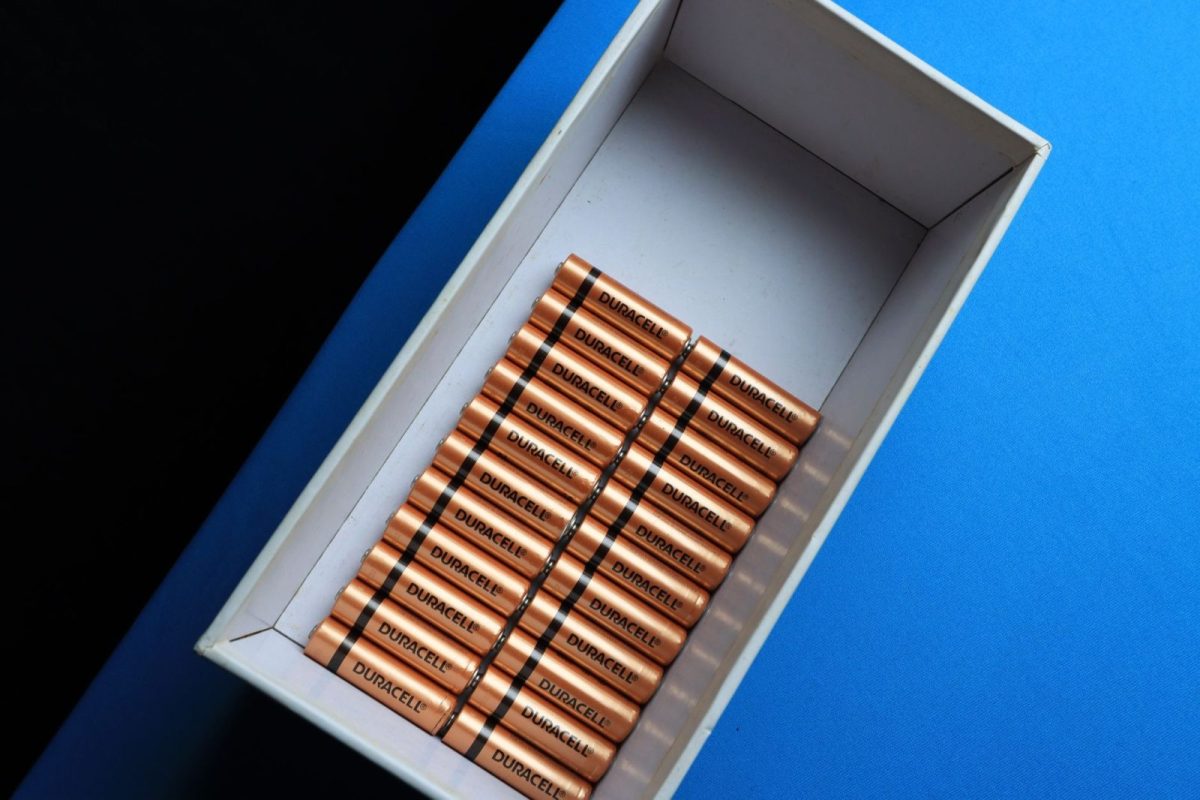
Your panels produce DC electricity. During the day, any solar you do not use immediately can charge the battery through a charge controller or a hybrid inverter that manages the flow. When the sun goes down or the grid fails, the stored DC is converted back to AC and sent to your loads. In simple terms, the battery is a buffer sitting between generation and consumption.
The brain that decides when to charge, when to hold, and when to release is the inverter's control logic, working with the battery's own management system. In a lithium pack, a Battery Management System (BMS) constantly balances the cells and steps in to protect them from over-charge, over-discharge, and overheating. This is why you cannot simply wire random cells together and expect safe behaviour, and why chemistry and inverter compatibility are not optional details.
Every charge and discharge is one cycle, and every cycle wears the cells a little. Chemistry determines how gracefully that ageing happens. A deeper walkthrough with diagrams lives in our beginner explainer on how solar batteries work, which is worth reading first if the electrical side feels new. The short version: think of the battery as a bucket you fill by day and drain by night, where the bucket slowly shrinks with age.
Tip: The most common mistake I see is treating the battery as a standalone box. It only performs as well as the inverter and charge logic driving it. A great pack behind a mismatched inverter will disappoint you.
Solar battery types compared
There are three chemistries an Indian home buyer realistically chooses between today. Lead-acid is the old workhorse, cheap upfront but heavy, short-lived, and unhappy about deep discharge. LFP (lithium iron phosphate) is where most quality home storage has landed: long cycle life, safe thermal behaviour, and tolerant of heat. NMC packs cram more energy into less space and show up a lot in imported and EV-derived systems, but they run hotter and cost more per usable kWh.
| Attribute | Lead-Acid | LFP (LiFePO4) | NMC Lithium |
|---|---|---|---|
| Upfront cost per usable kWh | Lowest | Moderate | Higher |
| Typical usable depth of discharge | ~50% | ~80-90% | ~80-90% |
| Cycle life (rough) | Short | Long | Medium-long |
| Weight and footprint | Heavy, bulky | Light, compact | Lightest, most compact |
| Heat tolerance | Moderate | Good | Needs cooler placement |
| Best for | Tight budget, occasional backup | Daily use, Indian conditions | Space-constrained premium installs |
My blunt take for most Indian rooftops is LFP, because our ambient temperatures punish batteries and LFP handles that better than the alternatives. We break down the head-to-head in LFP vs NMC vs lead-acid solar batteries, and if you want a shortlist by use case, see our roundup of the best solar battery types for Indian homes.
Reading the spec sheet: usable capacity, DoD, and cycle life
The kWh printed on the box is nominal capacity, not what you can actually use. Depth of discharge (DoD) is the slice you are allowed to drain without hurting the cells. A 5 kWh lead-acid battery you should only pull to 50% gives you about 2.5 usable kWh, while a 5 kWh LFP rated to 90% DoD gives you closer to 4.5. That single factor often flips which battery is really cheaper.
Cycle life tells you how many charge-discharge rounds the pack survives before capacity fades to a defined level, usually 80%. Multiply usable kWh by cycle life and you get a rough lifetime energy figure, which is a far fairer way to compare prices than sticker cost. Our deep dives on depth of discharge and usable capacity and on cycle life and warranty terms unpack both numbers properly.
Safety warning: Battery banks store serious energy and connect to DC wiring and mains. Incorrect polarity, undersized cabling, or a missing DC breaker can cause fire or shock. Battery and inverter interconnection should be done by a qualified installer, and lithium packs need proper ventilation and a compatible BMS. When in doubt, do not improvise on live DC.
Choosing a solar battery: how to size it
Sizing is where good intentions go wrong. You do not size a backup battery around your entire daily consumption; you size it around the loads you actually need during an outage and how long you must ride through. List your critical loads, add up their watts, and multiply by the backup hours you want. That energy figure, divided by usable DoD, is roughly the nominal capacity to buy.
Here is a worked example I use on site. Say your critical loads are 4 LED lights (40 W total), 3 fans (210 W), a router (10 W), and a fridge averaging around 120 W, totalling roughly 380 W. For 4 hours of evening backup that is about 1.5 kWh of delivered energy. On an LFP at 90% DoD you would want a nominal pack around 1.7 kWh, so a 2 kWh unit gives comfortable headroom. Our full method, including inrush loads like pumps, is in how to size a solar battery bank for backup.
New system or retrofit? Hybrid vs AC-coupled
If you are building fresh, a hybrid inverter that natively manages panels and battery is usually the cleanest path. If you already have a working grid-tied solar system and just want to add storage, you often go AC-coupled, bolting a battery inverter alongside the existing setup. Both work; they suit different starting points and budgets.
When I commissioned a retrofit on an older grid-tied home last season, AC-coupling let us keep the customer's existing string inverter untouched and add a battery inverter beside it, which saved a full teardown. On a brand-new install the same week, a single hybrid unit was tidier and cheaper. The right answer genuinely depends on what you already own, which we lay out in hybrid inverter vs AC-coupled battery retrofit.
Do you even need a solar battery in India?
This is the question I ask before quoting anything. If your area has reliable grid supply and you have net metering, a battery may add cost without much return, since the grid effectively acts as your storage. If you face frequent or long outages, storage earns its keep fast. Honest answer: many homes with good net metering are better off spending on more panels first.
For pure backup, do not ignore the humble diesel generator or a plain inverter-battery combo, both of which can be cheaper upfront than lithium. Lithium wins on lifespan, silence, zero fuel, and daily solar self-consumption. We put storage head-to-head with fuel in solar battery vs diesel generator for backup, and if you want a real-world before-and-after, my own experience adding a battery to my solar is a candid account of what changed and what did not.
Step-by-step: how to choose and buy the right battery
- Decide your goal: outage backup, daily self-consumption, or both. This drives everything.
- List critical loads in watts and the backup hours you truly need.
- Convert to delivered kWh, then divide by usable DoD to get nominal capacity.
- Pick a chemistry: LFP for most Indian homes, lead-acid only on a tight budget, NMC where space is scarce.
- Match the battery to a compatible inverter and confirm the BMS and communication play nicely together.
- Compare on lifetime energy (usable kWh times cycle life), not sticker price.
- Check the warranty carefully: cycle count, calendar years, and the retained-capacity threshold.
- Insist on a qualified installer for the DC and mains interconnection.
Follow those steps and you sidestep most regret purchases. Two reads that will save you money are our list of common solar battery buying mistakes to avoid and our myth-busting piece on solar battery myths versus facts, because a lot of bad advice circulates in showrooms.
Keeping a solar battery healthy
Most battery grief I get called out for is avoidable. Heat is enemy number one in India, so placement matters: a battery baking in a closed metal cabinet on a west wall will age faster than the same pack in a shaded, ventilated corner. Give lithium units room to breathe and keep them out of direct afternoon sun.
Lead-acid needs the most babysitting, including topping up electrolyte on flooded types and avoiding deep discharges that shorten its life. Lithium is largely fit-and-forget, but you should still watch the state-of-charge behaviour through your inverter or app and act on any BMS warnings. Over a few installs I noticed the packs that lived longest were simply the ones kept cool and not routinely drained to empty.
A quick monthly glance at your monitoring app catches problems early, whether that is a cell drifting out of balance or a load that is quietly draining the bank overnight. If you want to separate real precautions from showroom scare stories, our solar battery myths versus facts piece clears up a lot of maintenance folklore. Treat the battery gently and it will outlast most people's expectations.
What a battery costs and when it pays back
Storage is still the most expensive part of many solar systems, so payback depends heavily on how much you use it. A battery that cycles daily for self-consumption earns far more than one that only discharges during rare outages. Rupee figures move constantly, so I will not quote a price that will be stale next quarter; instead, run the numbers on your own tariff and outage pattern.
For current pricing bands, subsidy context, and a payback framework tailored to India, see our detailed breakdown of solar battery payback and cost in India. For the official policy and subsidy picture, the Ministry of New and Renewable Energy is the primary source, and for neutral technical background on battery storage the National Renewable Energy Laboratory publishes solid research.
Frequently Asked Questions
Do I really need a solar battery for my home?
Not always. If your grid is reliable and you have net metering, the grid acts as free storage and a battery may not pay back. If you face frequent or long outages, or want to use your own solar at night, a battery earns its keep quickly.
Which solar battery type is best for Indian conditions?
For most homes LFP (lithium iron phosphate) is the sweet spot because it tolerates our heat well, offers deep usable capacity, and lasts many cycles. Lead-acid suits tight budgets and occasional backup, while NMC is best where space is scarce but runs hotter and costs more.
How big a battery do I need for backup?
Size it around critical loads, not your whole daily use. Add up the watts of essentials, multiply by the backup hours you need to get delivered kWh, then divide by usable depth of discharge to find the nominal capacity to buy. Leave some headroom.
How long does a solar battery last?
It depends on chemistry and how deeply you cycle it. Quality LFP packs are rated for many thousands of cycles before capacity fades to around 80%, often meaning a decade or more of daily use. Lead-acid typically lasts far fewer cycles, especially if discharged deeply.
Can I add a battery to my existing solar system?
Yes. If you already run grid-tied solar, an AC-coupled retrofit adds a battery inverter alongside your existing setup without replacing it. A new build is often cleaner with a single hybrid inverter. The best route depends on the equipment you already own.
Conclusion
A solar battery is a powerful tool when it matches a real need, and an expensive ornament when it does not. Start from your goal, size around critical loads, favour LFP for Indian conditions, and judge value on lifetime energy rather than sticker price. Get those four right and the rest is detail. If you want to keep going, start with our beginner explainer on how solar batteries work, and read our about page to see the hands-on background behind this advice before you commit to any purchase.