

Key Takeaways
- Most rooftop questions come down to four things: how much power you need, roof space, budget, and whether you want net metering.
- Panels themselves rarely fail; the connections, inverter, and mounting are what usually cause problems in Indian conditions.
- A good panel loses only a fraction of a percent of output per year, so a 25-year warranty is a realistic working life.
- Cleaning, shade, and correct sizing matter far more for real-world output than chasing the last 1% of panel efficiency.
- For India, monocrystalline panels with a strong local installer and proper DCR paperwork are the safe default.
This solar panel FAQ pulls together the questions I get asked most often on site visits and over WhatsApp after a job is done. I have commissioned residential rooftop systems across a range of Indian homes, from tin-roof houses in humid coastal towns to concrete terraces in dusty northern cities, and the same doubts come up again and again. Below I have answered 15 of them plainly, with real-world framing rather than brochure claims. By the end you will know how panels behave, what actually breaks, how to size and buy sensibly, and where the money genuinely goes. Let us get into the common panel questions.
Panel Basics: How They Work and What They Deliver
1. How do solar panels actually make electricity?
Sunlight knocks electrons loose inside silicon cells, and that flow is direct current (DC). Your inverter then converts DC into the alternating current (AC) your home and grid use. No moving parts are involved, which is why panels last so long. If you want the full walk-through, see our plain-English explainer on how solar panels work.
2. How much power does one panel produce?
A modern residential panel is typically rated 400 to 550 watts under lab conditions. In real Indian sunlight you should expect roughly 4 to 4.5 units (kWh) per kW installed per day on a decent day, averaged across the year. So a 3 kW system usually delivers around 12 to 13 units daily, less in a cloudy monsoon week.
3. Monocrystalline or polycrystalline for my home?
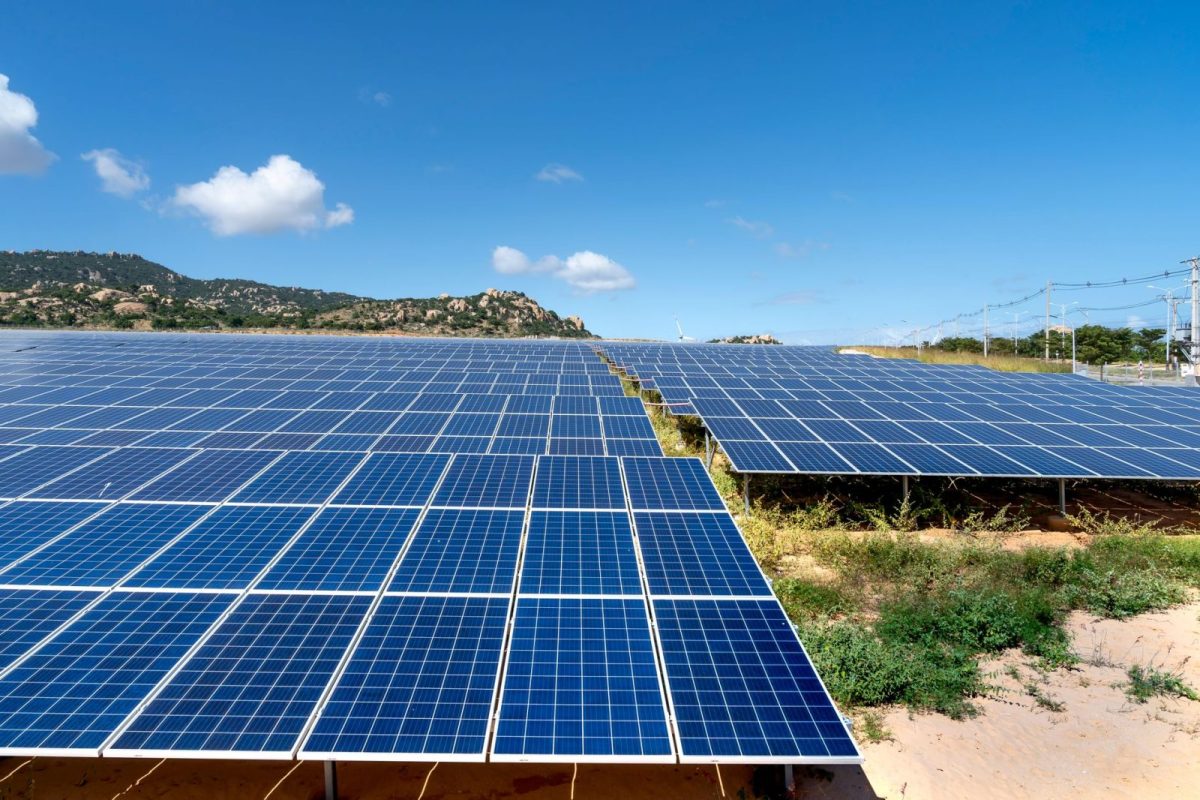
For almost every rooftop in 2026 I recommend monocrystalline. They are more efficient, so you fit more capacity on a tight roof, and prices have converged with poly. Polycrystalline still exists but is fading out. The table below sums up the trade-offs I explain on site.
| Factor | Monocrystalline | Polycrystalline |
|---|---|---|
| Typical efficiency | 19 to 22 percent | 15 to 17 percent |
| Space needed per kW | Less | More |
| Hot-weather behaviour | Slightly better | Slightly worse |
| Cost per watt today | Comparable | Comparable or higher |
| Best for | Most Indian rooftops | Large open ground mounts only |
4. Do panels work in cloudy or monsoon weather?
Yes, just less. On an overcast monsoon day output can drop to 10 to 25 percent of a clear day, because diffuse light still reaches the cells. Rain is actually helpful; it rinses off dust. The bigger monsoon issue is several dim days in a row, which is why grid-tied or battery backup matters.
Sizing, Space, and Buying Decisions
5. What size system do I need?
Start with your electricity bill, not your roof. Take your average monthly units, divide by 30 to get daily units, then divide by about 4 to estimate the kW you need. A home using 300 units a month needs roughly a 2.5 kW system. Always confirm your sanctioned load and roof area before finalising.
6. How much roof space does that take?
As a rule of thumb, budget about 70 to 100 square feet of shadow-free roof per kW for monocrystalline panels. A 3 kW system therefore needs roughly 250 to 300 square feet clear of water tanks, parapets, and midday shade. Less efficient panels need more space, which is another reason mono wins on cramped terraces.
Tip: Before you get quotes, stand on your roof at noon and again at 3 pm and note where shadows fall. A water tank or neighbour's wall that shades panels after 2 pm can quietly cut your afternoon generation, and no panel brand fixes bad placement.
7. What does a rooftop system cost in India?
For a grid-tied residential system, expect broadly Rs 55,000 to Rs 75,000 per kW installed before subsidy, varying by brand, inverter, and structure. Central and state subsidies under schemes like PM Surya Ghar can meaningfully reduce the net cost for eligible homes. Batteries add substantially to this, so add them only if you genuinely need backup.
8. Is net metering worth it?
For most grid-connected homes, yes. Net metering lets you export surplus daytime generation and draw it back as credit at night, so your meter effectively runs backwards during sunny hours. Rules and caps vary by state DISCOM, so confirm your local policy. You can read official scheme details on the Ministry of New and Renewable Energy site.
Longevity, Failures, and Warranties
9. How long do solar panels last?
A quality panel is built to work for 25 years or more. It does not stop at 25; it simply produces a little less over time. Manufacturers guarantee performance, typically promising the panel still delivers around 80 to 87 percent of its original output at the 25-year mark. In practice, panels often outlive that warranty window.
10. How fast do panels lose output?
Degradation is slow, usually a fraction of a percent per year after a slightly larger first-year dip. Independent research bodies like the US National Renewable Energy Laboratory have measured median degradation rates well under 1 percent annually for modern modules. That means after a decade a healthy panel still produces the large majority of its day-one power.
11. What actually breaks in a solar system?
Honestly, rarely the panels. Over several installs the recurring culprits I see are inverter faults, loose or corroded DC connectors, water ingress in junction boxes, and mounting structures that rust in coastal air. The glass and silicon are the durable part; the balance-of-system components are where you should focus your maintenance and warranty questions.
Safety warning: Rooftop panels carry live DC voltage whenever there is daylight, even with the inverter switched off, and DC arcs do not self-extinguish the way household AC does. Never open connectors, probe the array, or work on wet wiring yourself. Roof edges and live DC are a dangerous combination; call your installer.
12. What does the warranty really cover?
There are two warranties to separate. The product warranty (often 10 to 12 years) covers physical defects in the panel. The performance warranty (usually 25 years) covers output falling below a promised curve. Neither covers your inverter, wiring, or storm damage, so read the installer's separate workmanship warranty carefully.
Maintenance and Common Myths
13. Do I need to clean my panels, and how often?
In dusty Indian conditions, yes. A heavy dust layer can shave a noticeable chunk off output, and I have seen neglected arrays lose double-digit percentages before the owner noticed. A gentle rinse with plain water every couple of weeks in dry season is usually enough. Do it early morning, never with a pressure washer, and never while standing on a wet roof.
14. Will hail, heat, or monkeys damage my panels?
Panels are tested against hail and rated for high temperatures, though extreme heat does temporarily reduce efficiency. In parts of India, monkeys and birds are a more real threat, chewing cables and dislodging connectors. Proper cable management, conduit, and edge guards handle this. For a broader reality check, see our piece on solar panel myths versus facts.
15. Are cheaper panels a false economy?
Often, but not always. The panel is rarely where you should cut corners; the installer, structure, and inverter matter more for lifetime cost. A slightly cheaper reputable panel installed well beats a premium panel installed badly. Judge the whole package and the installer's track record, not just the price sticker on the module.
Frequently Asked Questions
Can solar panels power my whole house?
They can, but grid-tied systems still rely on the grid at night unless you add batteries. Sized correctly, a rooftop system can offset most or all of your annual electricity use through net metering, drawing credits at night and exporting surplus by day.
Do solar panels work during a power cut?
A standard grid-tied system shuts off during a power cut for safety, so it will not power your home. Only hybrid or off-grid systems with batteries keep supplying you during an outage. If backup matters to you, plan for storage from the start.
How much can solar panels save on my bill?
Savings depend on your tariff, sunlight, and net-metering rules, but many Indian homes offset a large share of their bill. Payback commonly lands in the four-to-six-year range after subsidy, after which the generation is essentially free for decades.
Are solar panels safe on my roof structure?
Yes, when the mounting is engineered for local wind loads and your roof can bear the modest weight. A proper installer checks the structure, uses galvanised or aluminium framing, and ballasts or anchors correctly. Poor mounting, not the panels, is the real structural risk to watch.
Which panel brand is best for India?
There is no single best brand. Look for reputable Tier-1 monocrystalline modules with genuine 25-year performance warranties and DCR certification if you want the subsidy. The installer's reliability usually matters more than the exact logo on the panel, so vet them equally hard.
Conclusion
Most panel doubts dissolve once you focus on the fundamentals: right sizing, shadow-free placement, a trustworthy installer, and honest warranty paperwork. The panels themselves are the reliable part; your attention belongs on the system around them and on net-metering rules in your state. If you want to go deeper, our complete guide to solar panels ties all of this together in one place, and you can learn more about who writes here on our about page. Take it one clear question at a time and the decision gets easy.