

Key Takeaways
- Bifacial solar panels generate power from both faces, and the real-world bonus (the "bifacial gain") usually lands between 5 and 15 percent, not the 30 percent some brochures imply.
- The gain is almost entirely decided by what is behind the panel: a bright, reflective surface and enough clearance for light to bounce back.
- Flush rooftop mounting kills most of the benefit, so bifacial panels shine on ground mounts, elevated carports, and high-albedo terraces.
- They cost a little more per watt than standard mono panels, but the glass-glass build often brings longer warranties and better durability.
- For most Indian rooftops the honest answer is "marginal"; for ground-mount and commercial sites the case is much stronger.
Bifacial solar panels promise something that sounds almost too good: extra free electricity from the light bouncing off the ground. As an installer who has commissioned both standard and double-sided arrays, I get asked constantly whether the premium is worth it. The honest answer is "it depends entirely on your mounting and your ground surface." In this guide you will learn how bifacial panels actually work, what a realistic bifacial gain looks like, where they pay off in Indian conditions, and how to decide whether to spend the extra rupees or stick with a conventional module.
What Are Bifacial Solar Panels and How Do They Work?
A standard panel has an opaque backsheet, so it only harvests sunlight hitting the front. A bifacial panel replaces that backsheet with glass or a transparent layer, exposing solar cells on both sides. The rear cells capture reflected and scattered light that would otherwise be wasted. That reflected light comes from the ground, nearby walls, or even a light-coloured roof.
Most bifacial modules today use monocrystalline PERC or newer TOPCon cells with a glass-glass sandwich construction. This build is inherently sturdier and less prone to moisture ingress than glass-backsheet designs. The trade-off is weight; a glass-glass module is heavier, which matters when you plan the mounting structure.
Bifacial Gain: What Numbers Are Realistic?
"Bifacial gain" is the extra energy the rear side adds compared with an identical front-only panel. Marketing decks love to quote 25 to 30 percent, but those figures assume laboratory conditions with a perfect white surface. In the field, most well-designed installs land in the 5 to 15 percent range over a year.
The single biggest lever is albedo, which is how much light a surface reflects. Fresh concrete, white gravel, and sand reflect a lot; dark asphalt, soil, and green grass reflect very little. The second lever is how high the panel sits above that surface, because a panel lying flat on a roof shades its own rear side.
| Surface below the array | Approx. albedo | Typical bifacial gain |
|---|---|---|
| Fresh white concrete / white membrane | 0.5 - 0.7 | 10 - 15% |
| Light gravel or sand | 0.3 - 0.4 | 7 - 12% |
| Weathered concrete / bare terrace | 0.2 - 0.3 | 4 - 8% |
| Dark rooftop, soil, or grass | 0.1 - 0.2 | 2 - 5% |
| Flush-mounted on a dark roof | near zero rear light | 0 - 3% |
Tip: If you cannot picture reflected light physically reaching the back of the panel, assume the bifacial gain will be close to zero. That single mental check saves a lot of disappointment.
Bifacial Panel Benefits Worth Paying For
The reflected-light bonus grabs headlines, but in my experience the durability benefits are just as valuable. Here is where double-sided panels genuinely earn their keep.
- Extra yield on the right site: a 5 to 15 percent annual boost on a ground mount is real money over 25 years.
- Tougher construction: glass-glass modules resist humidity, potential-induced degradation, and micro-cracks better than glass-backsheet panels.
- Longer warranties: many bifacial products carry 30-year performance warranties with lower annual degradation rates.
- Better hot-climate behaviour: the rear glass and frameless designs can run slightly cooler, which helps in Indian summers.
- Diffuse-light harvesting: during hazy or overcast conditions, the rear side still picks up scattered light.
Where Double-Sided Panels Actually Pay Off
Not every roof is a good candidate. The layouts below rank roughly from best to worst for capturing meaningful rear-side energy.
Ground-mounted arrays
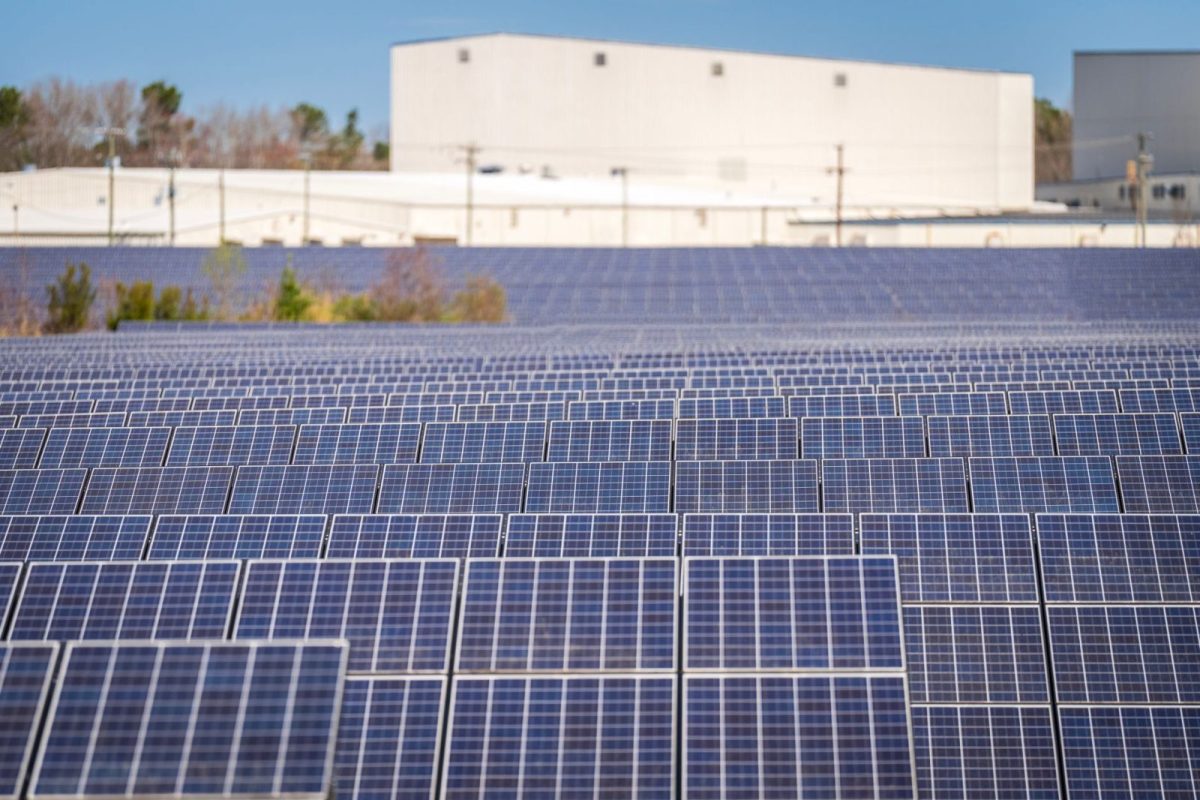
This is the natural home for bifacial. Panels sit high on tilted frames over gravel or light soil, so plenty of reflected light reaches the rear. Add a tracker and the gain climbs further because the tilt keeps changing through the day.
Elevated carports and pergolas
A solar carport over a pale concrete driveway is a quietly excellent use case. There is clearance, a reflective floor, and the underside is visible, so the rear cells stay productive for much of the day.
High-albedo flat terraces
On a flat terrace you can tilt the panels and raise them 30 to 60 cm above a white-painted or light-tiled surface. Painting the terrace with reflective white coating is a cheap way to recover a few extra percent of yield.
Flush rooftop mounts (the weak case)
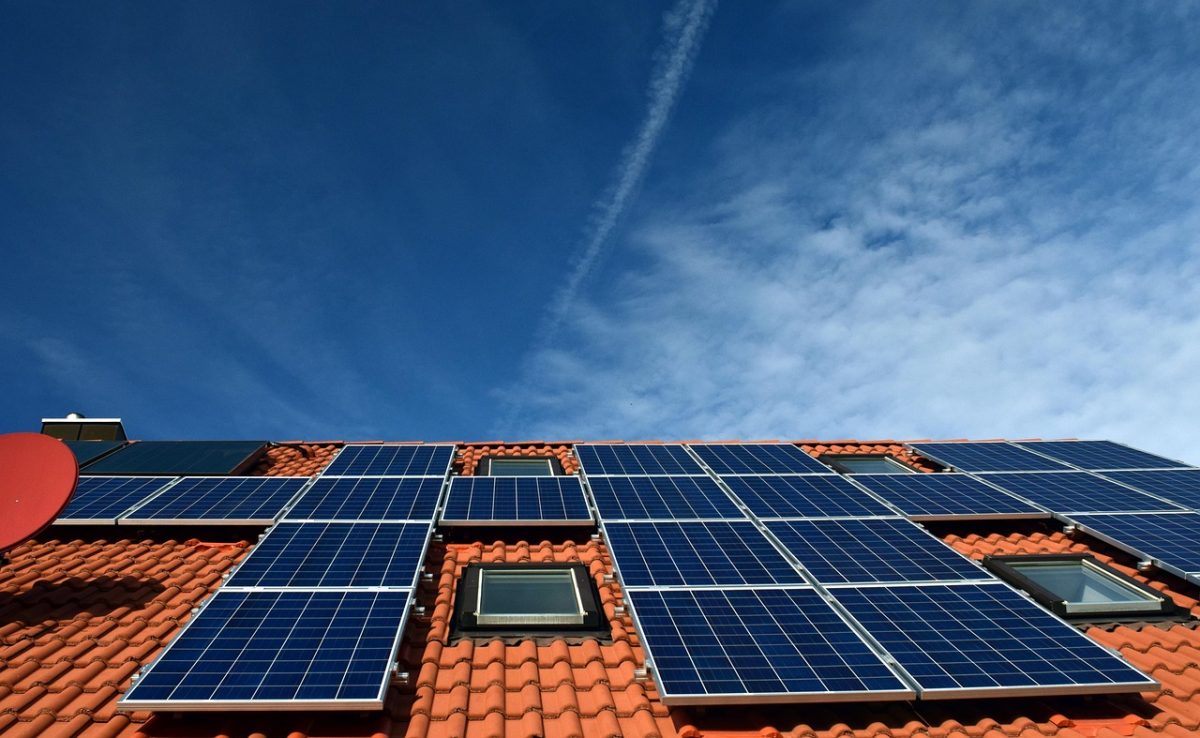
Standard rooftop solar sits close to the roof with the rear side in shadow. Here a bifacial panel behaves almost like a normal monofacial one, so you are mostly paying for durability rather than extra energy. On a typical sloped Indian rooftop, I usually tell homeowners not to expect a headline gain.
Bifacial vs Monofacial: A Quick Cost-Benefit View
Bifacial modules typically carry a modest premium per watt over comparable monofacial panels. Whether that premium returns value depends almost entirely on the mounting decision we just walked through.
| Factor | Monofacial | Bifacial |
|---|---|---|
| Energy source | Front only | Front + rear reflected |
| Extra annual yield | Baseline | +5 to 15% on good sites |
| Upfront cost per watt | Lower | Slight premium |
| Construction | Often glass-backsheet | Usually glass-glass |
| Typical warranty | 25 years | Often 30 years |
| Best for | Flush rooftops, tight budgets | Ground mounts, carports, bright terraces |
A worked example helps. Say a bifacial panel costs a little more but delivers a genuine 10 percent yearly gain on a ground mount. Over a 25-year life, that extra 10 percent of generation usually outweighs the small price premium comfortably. Flip the same panel onto a dark flush roof with a 2 percent gain, and the maths gets thin fast. If you are still deciding overall system size, our guide on how to size a solar panel array for your home will help you frame the numbers before you commit.
Safety warning: Bifacial glass-glass panels are heavier than standard modules and often raised on taller frames. Confirm your roof or ground structure can carry the load and wind uplift, and leave all DC wiring, earthing, and mains connection to a certified installer. Rooftop and DC work is not a casual DIY job.
How to Decide: A Simple Step-by-Step Check
Before you pay the bifacial premium, walk through these five questions with your installer.
- Is there clearance behind the panels? If they mount flush to a roof, the rear side is shaded and bifacial gain collapses.
- What is the surface below? Light concrete, gravel, or a white coating is good; dark roofs, soil, and grass are poor.
- Can you improve the albedo cheaply? A coat of reflective white paint on a terrace is a low-cost way to lift yield.
- Does the structure suit heavier glass-glass modules? Verify load and wind ratings before ordering.
- Does the price premium beat the expected gain? Compare the extra cost against a realistic yearly percentage, not the brochure's best case.
If you answer "yes" to the first three, bifacial is very likely worth it. If you are flush-mounting on a dark rooftop, put that money toward higher-efficiency monofacial panels or a bigger array instead. Steering clear of that mismatch is exactly the kind of thing covered in our rundown of common solar panel buying mistakes to avoid.
Bifacial Panels in the Indian Context
India's utility-scale and commercial ground-mount projects have adopted bifacial modules heavily, and that adoption is well justified by the open, high-albedo terrain many of them sit on. For residential rooftops the picture is more mixed, because most homes use flush or low-tilt mounting where rear-side light is limited.
If you are a homeowner with a flat terrace, you have a real opportunity: tilt and raise the panels, brighten the surface, and you can capture a genuine bonus. For MNRE subsidy and net-metering purposes, bifacial panels are treated like any other module on their nameplate rating, so the extra rear-side energy is a bonus on top of what you were approved for. You can read official scheme details on the Ministry of New and Renewable Energy site, and the technical background on rear-side gain is well documented by NREL.
For the full picture on choosing modules, sizing, and mounting, start with our complete guide to solar panels, which ties all of these decisions together. And if you want to know more about how we test and frame our recommendations, see our about page.
Frequently Asked Questions
Are bifacial solar panels worth it for a home rooftop?
Usually only if you can mount them with clearance over a bright surface, such as a raised, tilted array on a light-coloured terrace. On a flush dark rooftop the rear side stays shaded and the extra yield is tiny, so standard monofacial panels often make more sense.
How much extra power do double-sided panels really produce?
Real-world bifacial gain is typically 5 to 15 percent over a year, not the 25 to 30 percent quoted in some brochures. The exact figure depends on the reflectivity of the ground and how high the panels sit above it. Ground mounts and carports see the most.
Do bifacial panels cost a lot more than normal panels?
They carry a modest premium per watt over comparable monofacial modules. Because most bifacial panels use durable glass-glass construction with longer warranties, part of that premium buys longevity, not just extra energy. On the right site the higher yield repays the difference over the system life.
What surface gives the best bifacial gain?
Bright, reflective surfaces work best: fresh white concrete, white membrane roofing, light gravel, or sand. Dark asphalt, soil, and grass reflect little light and give minimal gain. Painting a terrace with reflective white coating is a cheap way to lift the numbers a few percent.
Can I mix bifacial and monofacial panels in one system?
You can, but keep them on separate strings or MPPT inputs because their real-world output differs. Mixing panel types within a single string can create current mismatch and drag down performance. Talk to your installer about string design before combining module types.
The Bottom Line: Are They Worth It?
Bifacial solar panels are absolutely worth it when the site lets the rear side do its job: ground mounts, carports, and raised terraces over bright surfaces can turn a small price premium into years of extra generation, backed by tougher glass-glass builds and longer warranties. On a flush, dark rooftop, though, you are mostly paying for durability, and a good monofacial panel may serve you better. Match the panel to the mounting, not the marketing. If you want to plan the full system with confidence, start with our complete guide to solar panels and size it around your real roof and budget.