


Key Takeaways
- Solar battery cost in India is driven mostly by usable capacity (kWh) and chemistry - lithium (LFP) costs more upfront than lead-acid but usually wins over the full life of the system.
- As a rough 2026 planning figure, expect roughly Rs 40,000 to Rs 65,000 per usable kWh for a good LFP home battery, installed - lead-acid looks cheaper per unit but cycles out far faster.
- The battery payback period depends far more on your net-metering rules and daily cycling than on the sticker price - poor net metering makes a battery pay back faster.
- For most grid-connected homes, a battery is bought for backup and self-consumption, not pure rupee savings - be honest about which one you actually want.
- Right-size to your real evening load, mind depth of discharge, and count warranty cycles before you compare two quotes on price alone.
If you are trying to pin down the solar battery cost in India before you sign a quote, you have probably already noticed the numbers are all over the place. One installer says a battery pays for itself in three years; another shrugs and calls it a comfort purchase. Both can be right, because the honest answer depends on your chemistry, your usable capacity, and your net-metering rules - not on a single headline price. I have commissioned and lived with these systems, so in this guide I will break down what a battery actually costs in 2026, how to think about the battery payback period, and how to decide whether a solar battery is worth it for your home. No fake precision - just the maths and the trade-offs I use on real jobs.
What actually drives solar battery cost in India
The single biggest lever is usable capacity, measured in kilowatt-hours (kWh). A battery rated at 5 kWh does not give you 5 kWh you can safely use every day - depth of discharge and inverter overheads eat into that. So when you compare quotes, always ask for the usable kWh, not just the nameplate number. That one question separates an honest quote from a padded one.
The second lever is chemistry. Lead-acid tubular banks are cheap on day one but tolerate far fewer deep cycles, so they wear out fast if you cycle them daily. Lithium iron phosphate (LFP) costs more upfront but shrugs off daily cycling, needs no watering, and handles Indian summer heat better than most alternatives. If you want the full chemistry breakdown, our guide on LFP vs NMC vs lead-acid batteries compares them side by side.
The rest of the cost is installation, wiring, a battery management system on lithium packs, and possibly a new hybrid inverter if your existing one cannot charge a battery. That inverter swap is the hidden line item most first-time buyers miss - and it can rival the battery itself in price.
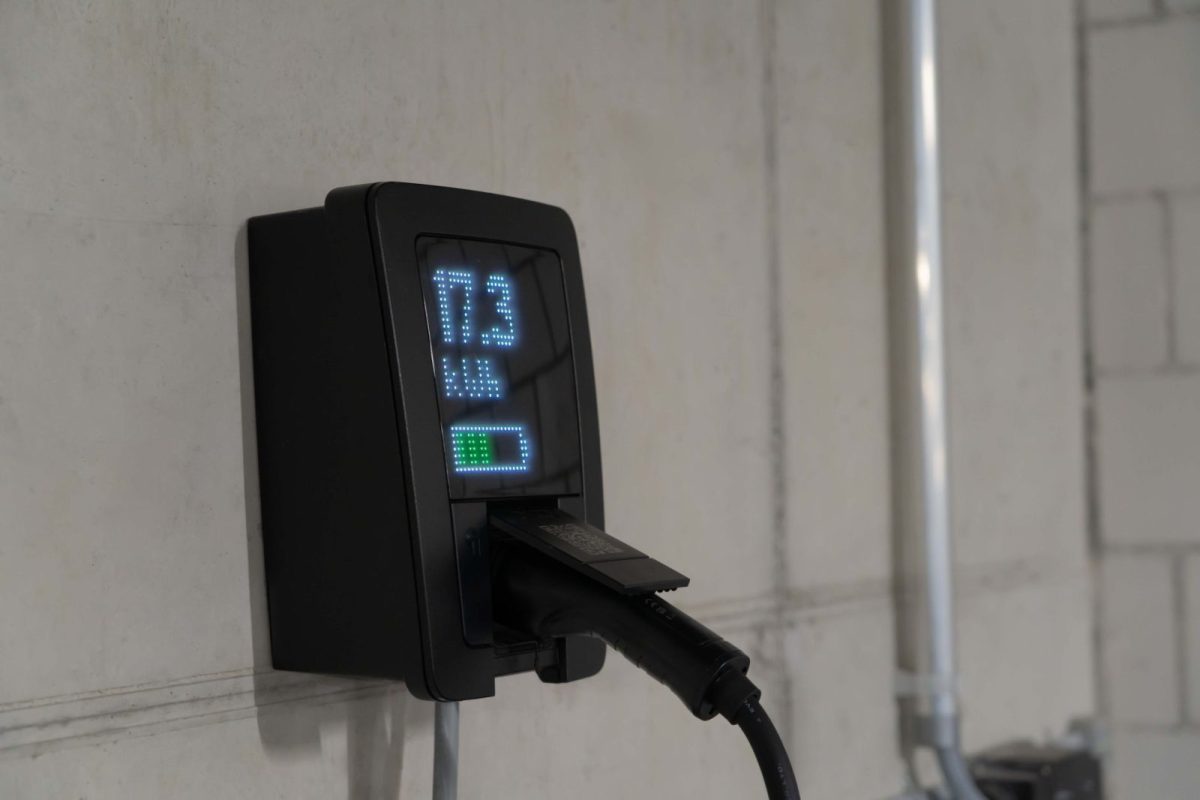
Battery price in India: rough 2026 figures by chemistry
Let me put some honest numbers on the table. These are planning ballparks, not fixed rates - prices swing with brand, capacity, GST, and your city. Treat them as a way to sanity-check a quote, not as a promise. The rate per usable kWh matters more than the total, because it lets you compare a 3 kWh pack against a 10 kWh one fairly.
| Battery type | Rough cost per usable kWh (installed) | Typical usable life | Best for |
|---|---|---|---|
| Lead-acid tubular | Rs 15,000 - Rs 25,000 | 3 - 5 years with daily cycling | Occasional backup, tight upfront budget |
| Lithium (LFP) | Rs 40,000 - Rs 65,000 | 10+ years / thousands of cycles | Daily self-consumption, low maintenance |
| Lithium (NMC) | Rs 45,000 - Rs 70,000 | 8 - 10 years | Compact, high power draw, cooler climates |
Notice how lead-acid looks like a bargain per kWh but carries the shortest life. Over a decade you may buy two or three lead-acid banks to match one LFP pack - which is exactly why the cheapest quote is rarely the cheapest system. To choose the right fit for your home, our roundup of the best solar battery types for Indian homes walks through the decision.
Tip: When comparing two quotes, divide the total price by the usable kWh and by the warranted cycles. The quote with the lower cost-per-usable-cycle is almost always the better long-term buy, even if its sticker price is higher.
Worked example: costing a battery for a real home
Here is how I size and cost a battery on an actual job, using round numbers so you can follow the logic. Say a family wants to run their evening essentials - lights, fans, router, TV, and a fridge - through a typical two-hour outage. Their measured evening load works out to roughly 3 kWh of energy over that window.
To reliably deliver 3 kWh usable, I would not buy a 3 kWh nameplate battery. Accounting for depth of discharge and keeping some headroom, I would spec a lithium pack around 4 to 5 kWh nameplate. At an installed rate near the middle of the LFP range, that lands somewhere around Rs 2 to 3 lakh for the battery, plus a hybrid inverter if the existing one cannot charge it.
That is a real, defensible ballpark - and it is deliberately a range, because your city, brand, and inverter situation move it. The point of the exercise is the method: start from your actual evening kWh, add headroom, then price the usable capacity. Guessing from a brochure figure is how people overpay.
Battery payback period: the maths that actually matters
Now the question everyone really wants answered: what is the battery payback period? The clean way to think about it is money saved per year versus money spent upfront. A battery saves you money in two ways - avoiding expensive grid imports in the evening, and, where net metering is poor, letting you self-consume solar you would otherwise export for a pittance.
Here is the counter-intuitive part I explain on every site visit: good net metering makes a battery pay back slower, and poor net metering makes it pay back faster. If your utility gives you a fair one-to-one credit for exported solar, the grid is already acting like a free battery, so a physical battery mostly buys you backup. If your net-metering credit is stingy, every unit you store and self-consume is a real saving, and the payback shortens.
To estimate it yourself: take your usable kWh, multiply by the number of days you will actually cycle it, and by the rupee gap between your import tariff and your export credit. That annual figure, divided into the battery cost, gives a rough payback in years. For the wider policy context on net metering and rooftop solar, the Ministry of New and Renewable Energy publishes program details at mnre.gov.in.
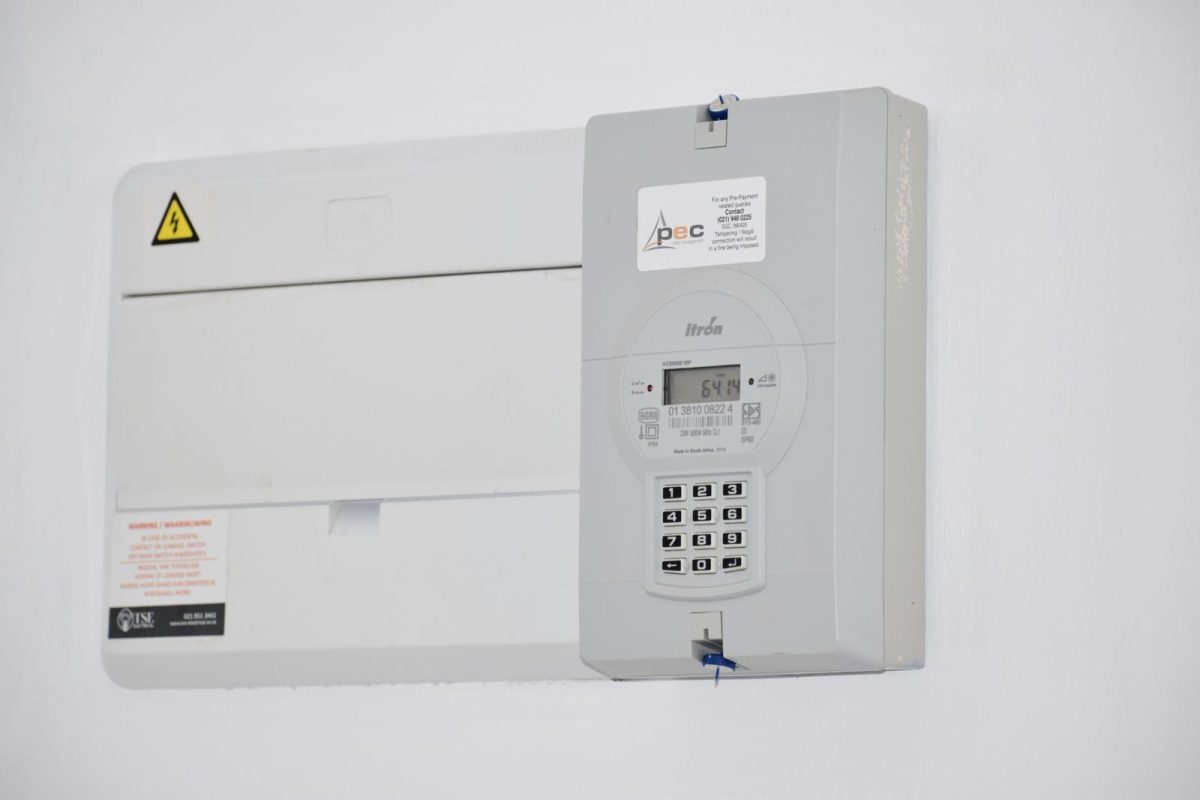
Is a solar battery worth it for your home?
So, is a solar battery worth it? Honestly, it depends on what you are buying. If you want pure rupee savings and you have decent net metering, a battery is a slow-paying investment - it will pay back, but not fast, and you should go in with clear eyes. If you want reliable backup during frequent cuts, the value is real but hard to put a number on, because comfort and a fridge that never warms up do not show up on a spreadsheet.
In my experience the buyers who are happiest are the ones who name their primary reason before they buy. If backup is the goal, size for your outage load and do not agonise over payback. If self-consumption is the goal, check your net-metering rules first, because that is what makes or breaks the maths. Trying to optimise for both at once usually leads to an oversized, overpriced system.
When a battery clearly makes sense
Frequent or long power cuts, poor or shrinking net-metering credits, time-of-day tariffs that punish evening usage, or a simple need for uninterrupted essentials - any of these tilt the decision toward yes. If you are retrofitting an existing system, our walkthrough on adding a battery to solar, with real results shows how it plays out in practice.
When to wait
If you rarely lose power and your net metering is genuinely fair, you can often wait. Lithium prices have trended down over the years, and a stable grid plus good export credit means the grid is already your cheapest storage. There is no shame in buying a battery later, once your tariffs or reliability change.
Hidden costs and honest caveats
A few line items ambush first-time buyers. A hybrid or battery inverter, if you need one, can cost as much as a small battery. Wiring, protection devices, and a proper enclosure add up. And running a lead-acid bank too hard shortens its life dramatically, so its true cost per unit is higher than the sticker suggests once you factor in early replacement.
Depth of discharge is the quiet number that changes everything. Draw a lithium pack down sensibly and it lasts for years of daily cycling; abuse it and warranty terms may not save you. If that term is new to you, our explainer on battery depth of discharge is worth five minutes before you buy.
Safety warning: Battery installation involves DC wiring, high fault currents, and connection to your mains. This is not a casual DIY job - always use a qualified installer for the electrical work, ensure correct fusing and isolation, and mount packs away from heat and moisture. For the limits of any guidance here, see our disclaimer.
How to compare battery quotes without getting fooled
When you have two or three quotes on the table, run them through the same simple checklist so you are comparing systems, not sales pitches. This is the exact order I use.
- Confirm the usable kWh, not just the nameplate rating.
- Get the warranted cycle count and the years of warranty in writing.
- Check whether the quote includes a hybrid inverter or assumes you already have one.
- Divide total price by usable kWh, then by warranted cycles, to get cost per usable cycle.
- Confirm the chemistry - LFP, NMC, or lead-acid - and match it to your cycling pattern.
- Ask about installation, protection devices, and post-sale support, not just the box price.
For the full picture behind every one of these steps - sizing, chemistry, safety, and net metering - lean on our complete guide to solar batteries. This cost deep-dive is the money chapter; that guide is the whole book.
Frequently Asked Questions
How much does a solar battery cost in India in 2026?
As a planning figure, a good lithium (LFP) home battery runs roughly Rs 40,000 to Rs 65,000 per usable kWh installed, so a small 4 to 5 kWh pack often lands around Rs 2 to 3 lakh. Lead-acid is cheaper upfront but replaces sooner. Always confirm usable kWh, not nameplate.
What is a typical battery payback period?
There is no single number - it depends on your net-metering rules, tariffs, and how often you cycle the battery. Poor net metering and high evening tariffs shorten payback; fair one-to-one net metering lengthens it because the grid already acts as free storage. Estimate it from your own tariff gap.
Is a solar battery worth it if I have good net metering?
For pure savings, less so - fair net metering means the grid is already your cheapest storage, so a battery pays back slowly. It still adds value as backup during outages. If your goal is reliability rather than rupee savings, it can absolutely be worth it even with good net metering.
Why is lithium so much more expensive than lead-acid?
Lithium costs more per kWh upfront, but it tolerates far more deep cycles, needs no maintenance, and lasts many years of daily use. Lead-acid is cheaper on day one but wears out fast under daily cycling, so you may buy two or three banks to match one lithium pack.
Do I need a new inverter to add a battery?
Often, yes. A standard grid-tie inverter cannot charge a battery, so you either add a separate battery inverter-charger (AC coupling) or replace it with a hybrid inverter. This is a major hidden cost - sometimes rivalling the battery itself - so confirm it is in your quote.
The honest bottom line
Solar battery cost in India comes down to usable capacity, chemistry, and whether you need a new inverter - and the battery payback period comes down to your net metering far more than the sticker price. Decide first whether you are buying backup or savings, size to your real evening load, and compare quotes on cost per usable cycle rather than headline rupees. Get those three things right and you will not overpay. When you are ready to go deeper, start with our complete guide to solar batteries and size your system with clear eyes.