


Key Takeaways
- Depth of discharge (DoD) is the share of a battery's rated capacity you actually pull out before recharging. An 80 percent DoD on a 5 kWh pack gives you 4 kWh of usable energy.
- Usable capacity always sits below the nameplate number. Sizing a bank on rated kWh alone is the single most common mistake I see in Indian homes.
- Lithium (LiFePO4) tolerates deep discharge far better than lead-acid, which is why its usable fraction is 80 to 90 percent versus roughly 50 percent for tubular lead-acid.
- Deeper daily discharge shortens cycle life. There is a real trade-off between squeezing out capacity today and how many years the battery lasts.
- Match your battery chemistry and DoD limit to your actual backup need, not to a brochure's headline kWh figure.
If you have ever bought a 150 Ah inverter battery expecting hours of backup and felt short-changed, depth of discharge is usually the culprit. Depth of discharge, or DoD, is simply how deeply you drain a battery before charging it again, and it decides how much of that shiny nameplate rating you can actually use. I am Arjun Mehta, and after commissioning battery banks across homes and small shops, I have watched this one number quietly make or break a system. In this guide you will learn what DoD really means, how it sets your usable battery capacity, how it differs across chemistries, and how to pick a discharge limit that balances backup time against battery lifespan.
What Depth of Discharge Actually Means
Depth of discharge is the percentage of a battery's total rated capacity that has been drawn out at a given moment. If you take 4 kWh out of a 5 kWh battery, you are at 80 percent DoD. Its mirror image is state of charge (SoC): a battery at 80 percent DoD is sitting at 20 percent SoC. Both describe the same tank, one measuring how empty it is and the other how full.
The catch is that manufacturers rarely want you to drain the whole tank. Every chemistry has a recommended maximum DoD, and staying inside it is what keeps the warranty valid and the battery healthy. Push past that limit repeatedly and you trade backup minutes today for years of service life. That is the core tension this whole article is about.
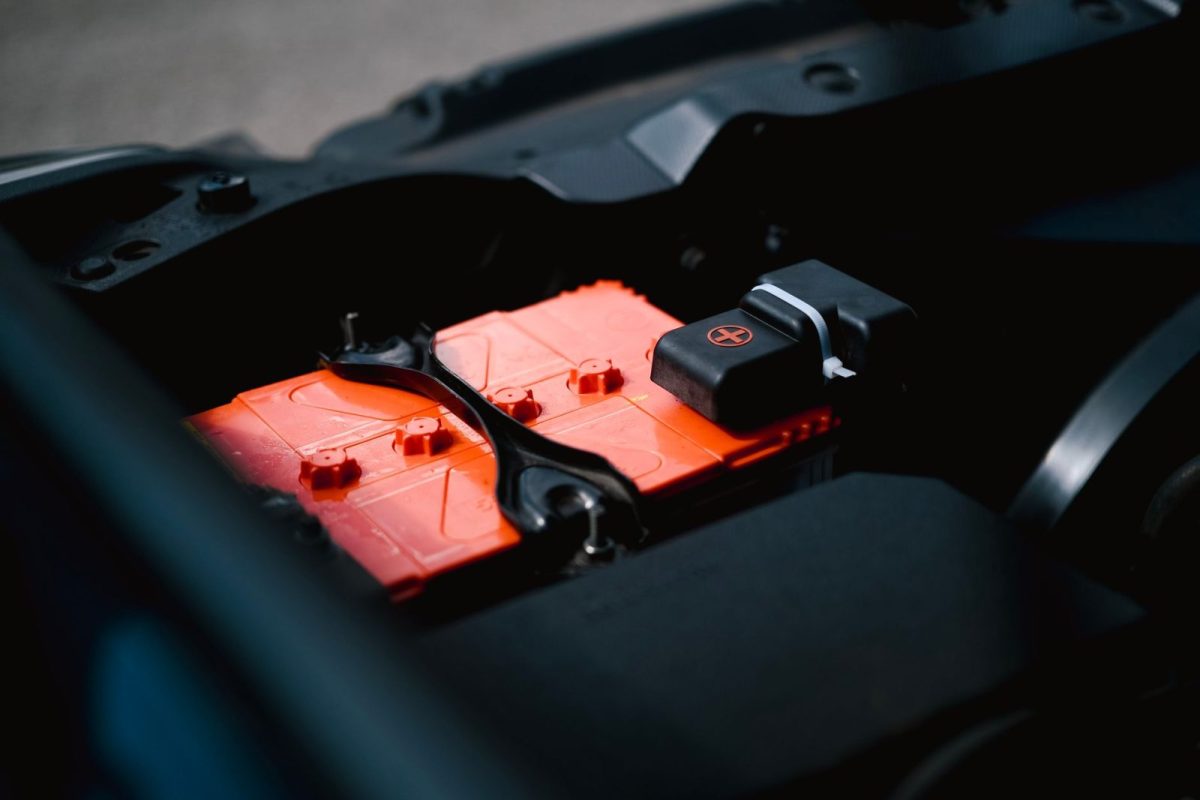
Usable Battery Capacity: Rated Is Not What You Get
Usable battery capacity is the rated capacity multiplied by the recommended DoD. This is the number that actually matters for your backup planning, and it is almost always smaller than the figure printed on the label. A 10 kWh lithium pack rated for 90 percent DoD delivers about 9 kWh of usable energy. The same 10 kWh in tubular lead-acid, held to a safe 50 percent DoD, gives you only 5 kWh.
When I size a bank, I work backwards from usable kWh, never from the nameplate. A common worked example: a home needs 3 kWh of evening backup. On lithium at 90 percent DoD that means a 3.3 kWh rated pack. On lead-acid at 50 percent DoD it means a 6 kWh rated bank, nearly double the size and weight for the same delivered energy. That gap is why so many lead-acid setups feel undersized once the novelty wears off.
Tip: When comparing quotes, ask every vendor for the usable kWh at their recommended DoD, not the rated kWh. Two packs with identical nameplate ratings can differ by 40 percent in what you can actually use each night.
DoD Explained Across Battery Chemistries
Not all batteries handle deep discharge the same way. Lead-acid chemistries suffer measurable damage when regularly drained deep, so their safe DoD is conservative. Lithium iron phosphate (LiFePO4) is far more tolerant, which is a big reason it has taken over new home installs despite the higher upfront price. The table below shows the typical safe discharge limit and what it means for usable capacity.
| Battery type | Recommended max DoD | Usable per 10 kWh rated | Typical cycle life |
|---|---|---|---|
| Flooded / tubular lead-acid | ~50% | ~5.0 kWh | 500 to 1,200 cycles |
| Sealed AGM / gel | ~50 to 60% | ~5.0 to 6.0 kWh | 600 to 1,500 cycles |
| Lithium (LiFePO4) | ~80 to 90% | ~8.0 to 9.0 kWh | 3,000 to 6,000+ cycles |
Notice that lithium wins twice: it gives you more usable energy per rated kWh and many more cycles. On lead-acid, chasing that extra usable capacity by discharging deeper eats directly into cycle life, so the conservative 50 percent limit exists for a reason. This is the practical heart of what people mean by DoD explained.
The Battery Discharge Limit and Cycle Life Trade-Off
Here is the relationship that surprises most first-time buyers: the shallower you discharge a battery on average, the more total cycles it delivers. A lead-acid battery cycled to 80 percent DoD might survive a few hundred cycles, while the same battery held to 30 percent DoD can last several times longer. Lithium follows the same curve, just far more gently, which is why manufacturers comfortably rate it for deep daily use.
Over a few installs I noticed a clear pattern: the lead-acid banks that were routinely run flat during long outages needed replacement years earlier than identical banks in homes with milder, shallower cycling. Nobody had abused them on purpose; they simply had no DoD headroom built into the sizing. The fix was never a fancier battery, just a bigger one so each night's discharge stayed shallow.

How to Choose Your Depth of Discharge in Practice
Choosing a working DoD is really about balancing three things: how much backup you need tonight, how long you want the battery to last, and your budget. Here is the step-by-step process I walk homeowners through.
- Add up your real backup load. List the appliances you must run during an outage and their watt-hours over the backup window. This gives your required usable kWh.
- Pick a chemistry and its safe DoD. Lithium at 80 to 90 percent, lead-acid at a cautious 50 percent. This decides your usable fraction.
- Divide required usable kWh by the DoD fraction. That is your rated capacity target. Required 4 kWh at 50 percent DoD means an 8 kWh rated bank.
- Add a comfort margin. I add roughly 20 percent so the battery is not running to its limit every single day, which protects cycle life.
- Confirm against the datasheet warranty. Make sure your planned daily DoD sits inside the terms the manufacturer will honour.
Warning: Battery banks store serious energy and involve DC wiring, high fault currents, and sometimes mains coupling. A short across battery terminals can weld a spanner in an instant. Have a qualified electrician handle the DC connections, fusing, and any grid tie-in, and never work on a live bank.
DoD and Solar Self-Consumption in India
For Indian homes pairing batteries with rooftop solar, DoD choice depends on your goal. If you are storing daytime solar to run the evening, you will cycle the battery deeply every single day, so lithium's high DoD and long cycle life pay for themselves quickly. If the battery is mainly outage insurance that discharges only occasionally, a lead-acid bank at 50 percent DoD can still make economic sense.
Under net metering many homeowners actually need less storage than they assume, because surplus solar can be exported and drawn back later. It is worth understanding your local net metering rules from your DISCOM before over-sizing a bank purely for self-consumption. When you do decide to store, treat DoD as a first-class design input, not an afterthought.
For a full walkthrough of the wider topic, see our complete guide to solar batteries. To turn these DoD numbers into an actual bank size, follow our steps on how to size a solar battery bank for backup, and if you are torn on strategy, compare backup versus self-consumption battery setups. You can read more about our testing approach and who we are on our about page.
For neutral background on battery performance and cycle life, the U.S. Department of Energy's overview of home energy storage systems is a solid, non-commercial reference, and India-specific rooftop policy sits with the Ministry of New and Renewable Energy.
Frequently Asked Questions
What is a good depth of discharge for a solar battery?
For daily cycling, lithium (LiFePO4) batteries are safely used at 80 to 90 percent DoD. Lead-acid batteries should be held to about 50 percent DoD to protect their life. Staying inside these limits keeps your warranty valid and stretches how many cycles the battery delivers.
How do I calculate usable battery capacity?
Multiply the rated capacity by the recommended DoD as a decimal. A 10 kWh battery rated for 80 percent DoD gives 8 kWh usable. Always plan your backup around this usable figure rather than the nameplate rating, which you should never fully drain.
Does deeper discharge really reduce battery life?
Yes. For most chemistries, the deeper you discharge on average, the fewer total cycles the battery survives. Lead-acid is very sensitive to deep discharge, while lithium tolerates it far better. Sizing a bank so each day's discharge stays shallow is the simplest way to add years of service.
Is DoD the same as state of charge?
They are two sides of the same coin. Depth of discharge measures how much energy has been drawn out, while state of charge measures how much is left. A battery at 70 percent DoD is at 30 percent state of charge. Together they always add up to 100 percent.
Can I discharge a lithium battery to 100 percent DoD?
The built-in battery management system usually cuts off before true 100 percent to protect the cells, so most lithium packs give you a usable 80 to 90 percent rather than the full amount. Occasional deep discharges are fine, but making them a daily habit will shorten the pack's life.
The Bottom Line on DoD and Usable Capacity
Depth of discharge is the quiet number that decides whether your battery feels generous or stingy, and whether it lasts three years or fifteen. Plan around usable capacity, respect your chemistry's safe DoD limit, and leave a comfort margin so you are not draining the pack flat every night. Get those three right and the battery will simply do its job in the background for years. When you are ready to translate this into a real bank size, head over to our complete guide to solar batteries and build your system with confidence.