


Key Takeaways
- String inverters report one number for the whole array, so a single shaded or faulty panel hides inside the group total.
- Microinverters (and optimisers) give panel-level monitoring, letting you see each module's output and spot the exact panel that is dragging down production.
- For simple, unshaded south-facing rooftops, string-level monitoring is usually enough and cheaper.
- For split roofs, partial shade, or homes where you want early fault alerts, module monitoring earns its extra cost.
- Monitoring granularity is a design choice you make at purchase time, not something you can bolt on cheaply later.
The debate around string vs microinverter monitoring comes down to one honest question: how much detail do you actually need to keep your system healthy? A string inverter shows you the array as a whole, while microinverters show you every panel individually. Having commissioned both kinds of systems across Indian rooftops, I have seen where each one shines and where each one leaves you guessing. In this guide you will learn how the two approaches differ in monitoring granularity, what panel-level data really buys you, when the extra cost is worth it, and how to pick the right level of visibility for your roof.
What "monitoring granularity" actually means
Granularity is simply the smallest thing your system can measure and report. A string inverter measures current and voltage at the string level, so its finest resolution is the whole group of panels wired together. Microinverters convert DC to AC at each panel, so they measure and report per module. That difference in resolution is the heart of the whole comparison.
Think of it like a water meter for your house. A string inverter is one meter at the front gate: it tells you total usage but not which tap is dripping. Panel-level monitoring is a meter on every tap. Both are useful, but they answer different questions and cost different amounts.
How string inverter monitoring works
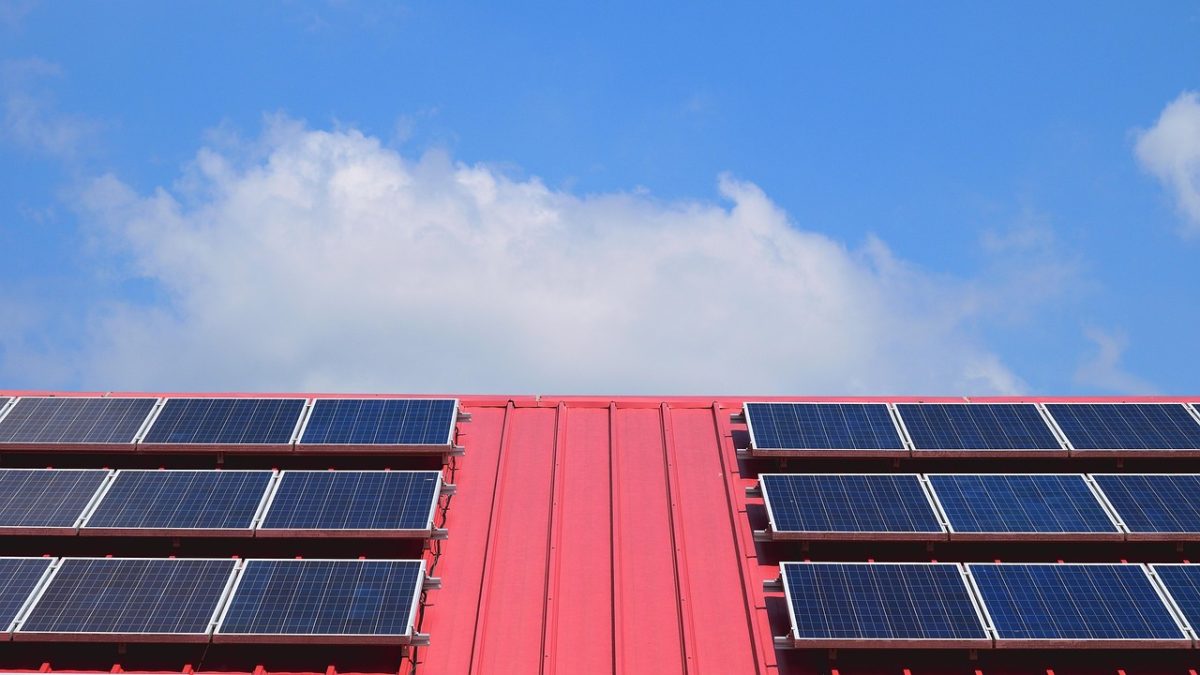
Most residential systems in India use a string inverter with a built-in Wi-Fi or LAN dongle that pushes data to an app. You see total power now, energy today, energy this month, and often a live grid-versus-generation graph. It is clean, simple, and free with almost every inverter you buy.
The limitation is aggregation. If one panel in a string of ten is soiled, cracked, or shaded, its loss is averaged into the string total. You might see production drop from 4.0 kW to 3.6 kW on a clear day, but the app cannot tell you which panel caused it. You are left climbing onto the roof with a clamp meter to hunt for the culprit.
What string monitoring does well
For a single unshaded roof plane facing roughly south, string monitoring is genuinely enough. Every panel sees the same sun, so a healthy string moves as one. Total daily yield, plus a quick glance at the shape of the curve, tells you if the whole system is behaving. That covers the majority of straightforward Indian home installs.
How microinverter and panel-level monitoring works
Microinverters attach one small inverter to the back of each panel, so each module reports its own voltage, current, and AC output to the portal. The same panel-level monitoring is also available from DC optimisers paired with certain string inverters, so you do not strictly need microinverters to get module monitoring, but microinverters give it to you natively.
The payoff is visibility. Open the app and you see a layout of your roof with a number under each panel. A weak panel stands out immediately as a lower figure or a differently coloured tile. You can spot a bird-dropping shadow, a delaminating module, or a loose connector before it costs you a full season of lost units.
Where module monitoring earns its keep
Panel-level monitoring pays off when your panels do not all see the same conditions. A chimney, water tank, or neighbour's parapet that shades part of the roof at certain hours will drag a string inverter down, and you will never know exactly why. With module monitoring, the shaded panels report low while the rest stay high, and the picture explains itself.
Tip: If your roof has two or more orientations (say east and west facing planes), panel-level monitoring is worth strong consideration. Those planes peak at different times, and a single string number blends them into a shape that is hard to read.
String vs microinverter monitoring compared
Here is a side-by-side view of the two approaches on the factors that actually change your day-to-day experience and your fault-finding time. Treat cost figures as directional, since panel and optimiser prices move with the market.
| Factor | String inverter monitoring | Microinverter / panel-level monitoring |
|---|---|---|
| Reporting resolution | Whole string (group of panels) | Individual panel |
| Fault isolation | Manual roof check needed | Pinpoints the exact panel in the app |
| Partial shade handling | One weak panel drops the whole string | Only the affected panel drops |
| Multi-orientation roofs | Curves blend, harder to read | Each plane readable on its own |
| Upfront hardware cost | Lower | Higher (per-panel electronics) |
| Points of failure on roof | Fewer | More devices, but each is redundant |
| Best fit | Simple unshaded south roofs | Shaded, split, or premium installs |
A real example from a commissioning visit
When I commissioned a rooftop system on a home with a water tank at the north-west corner, the owner kept complaining that afternoons felt weak. On the string inverter, all we could see was that total output sagged after about 3 pm. Nothing looked broken, so it was easy to dismiss as normal.
Over a few installs I noticed the same pattern on roofs with tall obstructions, so on the next comparable job we specced module-level monitoring. In the app, the two panels nearest the tank clearly dropped every afternoon while the others held steady. The owner moved to a small ground-mount extension for those two positions, and the mystery afternoon dip disappeared. The string system could have told us something was off, but only panel-level data told us what and where.
Safety warning: Do not go hunting for a faulty panel on a live DC array yourself. Rooftop solar strings can carry hundreds of volts DC that no household switch stops. Isolate the system and let a qualified installer handle any roof-level diagnosis or wiring work. See our disclaimer for the full note on DIY limits.
Does the extra data change what you actually do?
This is the honest question buyers skip. Panel-level monitoring is only worth paying for if you will act on what it shows. If you check your app monthly and are happy as long as the bill is low, string monitoring already covers you. The richer data mostly rewards people who want early alerts and faster fault-finding.
There is also a warranty and service angle. When a panel underperforms, module-level data is strong evidence for a claim, because you can show the exact tile lagging its neighbours under identical sun. With a string system you often have to argue from indirect numbers, which slows claims down.
How to choose the right monitoring level
Match the granularity to your roof and your temperament, not to marketing. Work through these points in order and the answer usually becomes obvious before you compare quotes.
- Map your shade. If any object casts a shadow on panels during peak hours, lean toward panel-level monitoring.
- Count your roof planes. Two or more orientations favour module monitoring for readable data.
- Decide how hands-on you are. If you enjoy checking data and acting early, the granularity is worth it; if not, keep it simple.
- Weigh the budget honestly. On a tight single-plane install, put the money into good panels and a solid string inverter first.
- Confirm the portal. Whatever you choose, check that the monitoring app is one you will actually open, using our sibling guides below.
To go deeper on the tools themselves, compare the best solar monitoring apps and portals and read our breakdown of monitoring hardware and data loggers. Both sit inside our complete guide to solar monitoring, which ties the whole picture together. For net-metering rules that affect what your monitoring should track, the Ministry of New and Renewable Energy is the authoritative reference, and the US National Renewable Energy Laboratory publishes solid background on performance and shading losses.
Frequently Asked Questions
Is microinverter monitoring worth the extra cost?
It is worth it if your roof has shade, multiple orientations, or if you want early fault alerts and faster warranty claims. For a simple, unshaded south-facing roof where you check the app occasionally, string-level monitoring usually delivers everything you need at a lower price.
Can I add panel-level monitoring to an existing string system?
Yes, by retrofitting DC optimisers to your panels if the inverter supports them, but it means roof work, extra hardware, and labour cost. Because it is rarely cheap, granularity is best decided at purchase time rather than bolted on after commissioning.
Do microinverters have more points of failure?
There are more devices on the roof, one per panel, so statistically more units could fail. But each works independently, so a single microinverter failure only affects its own panel rather than the whole string. String inverters have fewer units but a single shared failure point.
Will string monitoring show me a failing panel at all?
It will show that total production has dropped, but not which panel is responsible. You see the symptom, not the cause. Finding the specific panel then needs a manual roof inspection with test equipment, which is exactly the step panel-level monitoring removes.
Conclusion
String and microinverter monitoring are not better or worse in the abstract; they are different levels of visibility for different roofs. Simple, unshaded arrays are well served by a string inverter's single honest number, while shaded, split, or premium installs genuinely benefit from seeing every panel. Decide the granularity at buying time, match it to your shade and your habits, and you will never overpay for data you would not use. When you are ready to go further, walk through our complete guide to solar monitoring to plan the whole setup with confidence.