

Key Takeaways
- A solar inverter converts the DC electricity from your panels into the AC power your home and grid actually use.
- Size the inverter to your panel array (not just your load), and match its voltage window to your string design.
- String inverters suit most Indian rooftops; microinverters and hybrids solve specific shading or backup problems.
- Efficiency, warranty, and MPPT count matter more than a slightly lower sticker price.
- Most inverter faults are wiring, earthing, or heat related, not the panels themselves.
If you are shopping for a rooftop system in India, a good solar inverter FAQ saves you from a dozen sales-pitch half-truths. The inverter is the brain of your system: it decides how much panel output reaches your appliances, and it is the part most likely to need attention over 25 years. I have commissioned and troubleshot enough rooftop systems to know which questions homeowners keep asking and which answers hold up on site. Below I answer 15 common inverter questions in plain language, so you can size, buy, and live with your inverter confidently.
The basics: what an inverter does and why it matters
These are the questions almost every first-time buyer asks before they even look at a spec sheet. Get these right and the rest of the buying decision gets much simpler.
1. What does a solar inverter actually do?
Your panels produce direct current (DC), but your home wiring, appliances, and the grid all run on alternating current (AC). The inverter converts DC to AC and, in doing so, also tracks the panels' best operating point, syncs with the grid frequency, and shuts down safely on faults. If you want the full mechanics, I walk through it in how a solar inverter works, explained simply.
2. What is MPPT and why do people obsess over it?
MPPT (Maximum Power Point Tracking) is the inverter constantly hunting for the voltage-current combination that squeezes the most watts out of your array. Panels shift their sweet spot as light and temperature change through the day. A good MPPT keeps you near peak output; two independent MPPTs let you run panels facing different directions without one dragging the other down.
3. On-grid, off-grid, or hybrid, which do I need?
On-grid (grid-tied) is the default for most Indian city homes with reliable supply and net metering. Off-grid suits remote sites with no grid connection and mandatory batteries. Hybrid gives you grid export plus battery backup, which is popular where power cuts are common. The comparison table below sums up the trade-offs.
| Type | Battery needed? | Grid export | Best for |
|---|---|---|---|
| On-grid | No | Yes (net metering) | City homes with stable grid |
| Off-grid | Yes | No | Remote sites, no grid access |
| Hybrid | Optional | Yes | Frequent power cuts, backup wanted |
Sizing and buying questions
This is where most people either overpay or under-size. A few numbers and a clear head fix that.
4. How do I size my inverter?
Size the inverter to your panel array, not your household load. A common rule is a DC-to-AC ratio of roughly 1.1 to 1.3, meaning a 5 kW inverter can happily carry about 5.5 to 6.5 kWp of panels. For a typical 3 kW rooftop array, a 3 kW inverter is the safe starting point. Always check that your string voltage stays inside the inverter's MPPT window on the coldest expected morning.
5. Can I add more panels later?
Sometimes. If you buy an inverter with a little headroom and a spare MPPT input, expanding later is straightforward. If you max out the inverter on day one, adding panels later means adding or replacing the inverter too. I usually advise leaving 10 to 20 percent of headroom if you think a future EV or AC is coming.
6. String inverter or microinverters?
String inverters are cheaper, simpler, and perfect for a clean, unshaded rooftop, which describes most Indian homes. Microinverters shine when your roof has partial shading (a water tank, a parapet, a neighbour's wall) or panels facing multiple directions, because each panel works independently. You pay more upfront for that flexibility.
7. What efficiency number should I look for?
Modern string inverters commonly quote peak efficiencies in the high 90s (often around 97 to 98 percent). Do not chase the last half-percent at the cost of a weaker warranty or thin service network. That gap is real but small next to a shaded panel or a dusty array.
Tip: Ask the vendor for the inverter's datasheet and confirm the model number matches what gets installed. Substitution at delivery is the single most common way buyers end up with a lower-spec unit than they paid for.
8. How long should an inverter last, and what about warranty?
Panels are warranted for 25 years, but inverters typically carry 5 to 10 year warranties and are the part most likely to be replaced once during a system's life. Look for at least a 5-year standard warranty with an option to extend, and confirm there is a local service centre. A long warranty is worthless if nobody nearby can honour it.
Installation, safety, and net metering
Here is where the paperwork and the wiring meet. Cutting corners on either causes the most expensive headaches later.
9. Where should the inverter be installed?
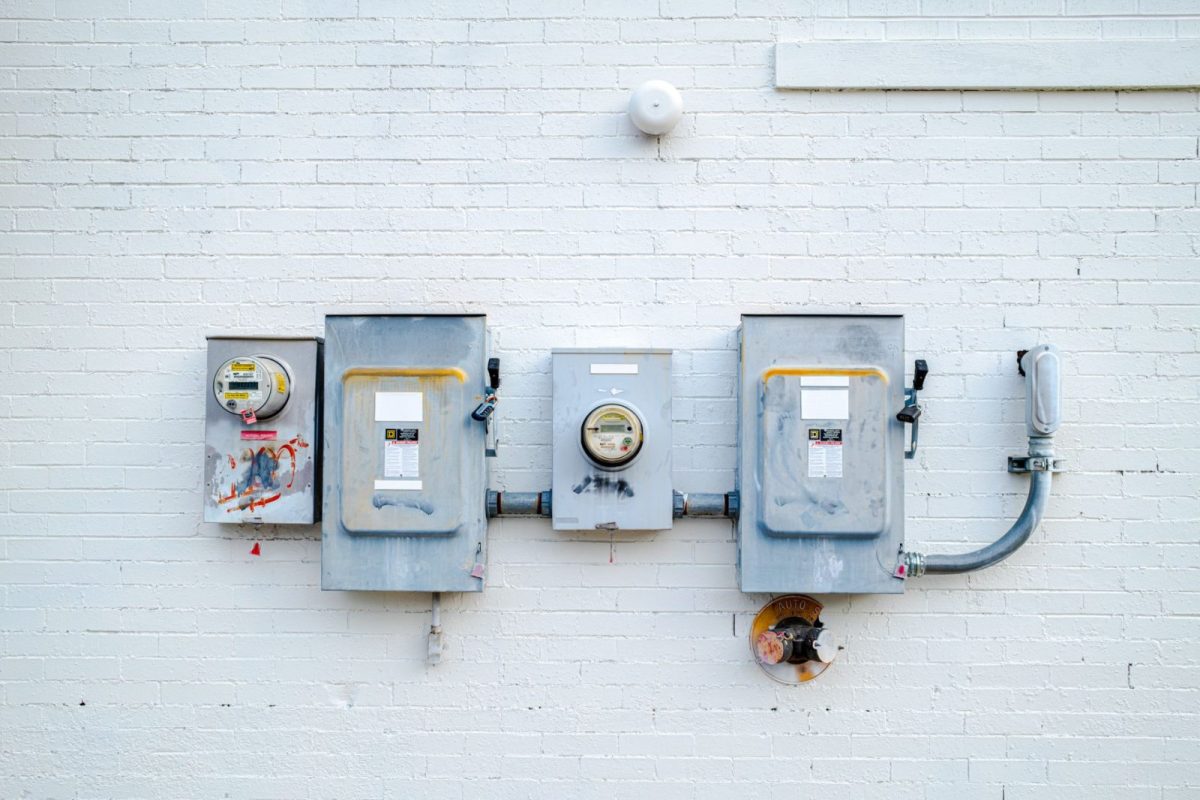
Mount it in a cool, shaded, ventilated spot, ideally indoors or on a north-facing wall under a canopy. Heat is an inverter's biggest enemy; a unit that runs hot derates its output and ages faster. Keep it away from direct sun, rain, and dust, and leave clearance around the heat sink for airflow.
10. Is inverter installation dangerous to DIY?
The DC side of a solar array can carry hundreds of volts even in sunlight, and there is no simple off switch on the panels themselves. Grid connection and net metering also legally require a licensed electrician and utility approval in most Indian states. Mounting and planning you can do; final DC and AC termination should not be a solo weekend project.
Warning: Solar DC wiring stays live whenever there is light on the panels, and it cannot simply be switched off at the panel. Proper earthing, a DC isolator, and a qualified electrician are non-negotiable for any mains-connected or roof work. When in doubt, stop and call a professional.
11. Does the inverter matter for net metering?
Yes. For grid export you need a grid-tied inverter that meets your utility's standards and is on the approved-models list, with anti-islanding protection so it shuts down during grid outages to protect line workers. Check your DISCOM's approved inverter list before buying, or you may fail inspection. The Ministry of New and Renewable Energy and your state DISCOM publish the current rules.
Living with your inverter
Once it is running, an inverter mostly looks after itself. These are the questions that come up in year two and beyond.
12. What maintenance does an inverter need?
Very little. Keep the vents and heat sink free of dust and cobwebs, and glance at the monitoring app periodically. Once a year, have your installer check terminal tightness and earthing. That is genuinely most of it.
13. Why does my inverter switch off in the middle of the day?
The two usual suspects are grid voltage swings (the inverter trips out of its allowed voltage window) and overheating in peak afternoon sun. A hot inverter derates or shuts down to protect itself. Over a few installs I noticed that relocating a sun-baked unit into shade cured what looked like a mysterious afternoon dropout.
14. Can I monitor my inverter remotely?
Almost all modern inverters offer Wi-Fi or app monitoring showing live output, daily generation, and fault codes. It is worth setting up on day one; catching a shaded string or a tripped section early saves you months of quietly lost generation. Take a screenshot of a good sunny day as your baseline reference.
15. What are the biggest inverter myths I should ignore?
That a bigger inverter always means more output, that all brands are basically identical, and that inverters are maintenance-free forever. None hold up on site. I unpack the most persistent claims in solar inverter myths vs facts, debunked so you can shop without the folklore.
Frequently Asked Questions
How many years does a solar inverter last?
Most solar inverters last around 10 to 15 years, versus 25 years for panels. Warranties usually run 5 to 10 years. Expect to replace the inverter roughly once over the life of a rooftop system, which is normal and should be budgeted for from the start.
Should the inverter be the same size as my solar panels?
Not exactly. Inverters are usually sized slightly smaller than the panel array, with a DC-to-AC ratio around 1.1 to 1.3. A modest amount of oversizing on the panel side captures more energy in real Indian conditions without wasting money on inverter capacity you rarely use.
Can one inverter run without any batteries?
Yes. A grid-tied (on-grid) inverter works without batteries, feeding your home and exporting surplus to the grid under net metering. You only need batteries for off-grid sites or if you specifically want backup power during outages, which calls for a hybrid inverter instead.
Why is my inverter making a humming or buzzing noise?
A faint hum from cooling fans and switching is normal. Loud buzzing or rattling can mean a loose mount, a failing fan, or dust in the heat sink. If the noise is new and loud, or paired with reduced output, get your installer to inspect it rather than ignoring it.
Do I need government approval to install a grid-tied inverter?
Yes, for any grid-connected system in India. Your DISCOM must approve the inverter model and inspect the installation before net metering is activated. Using an approved grid-tied inverter with anti-islanding protection is a legal requirement, not an optional extra, so confirm eligibility before you buy.
The bottom line
Most inverter decisions come down to three things: match the size to your array, pick the right type (on-grid, off-grid, or hybrid) for your grid reality, and buy a brand with a real local service network. Get those right and the inverter mostly disappears into the background, which is exactly what you want. If you are still mapping out your system, start with the complete guide to solar inverters, and see our disclaimer for how to use this guidance safely.