

Key Takeaways
- Good solar design starts with your electricity bill and daily load, not with a panel wattage someone quoted you.
- Choose your system type (on-grid, off-grid, or hybrid) before sizing anything, because it changes every downstream decision.
- Size the array from real kWh use and your roof's sun hours, then match the inverter, wiring, and protection to it.
- In India, net metering, MNRE subsidy eligibility, and DISCOM approvals shape both the design and the payback.
- Safety hardware (earthing, surge protection, correct string voltage) is not optional; skipping it is the most common expensive mistake I see.
If you have ever wondered how to design a solar system for your own home, you are in the right place. I am Arjun Mehta, and over years of commissioning rooftop systems across Indian towns and cities, I have learned that a good design is mostly good arithmetic plus a few hard safety rules. This full guide walks you through the whole plan: assessing your load, choosing a system type, sizing the array and inverter, wiring and protecting it, and handling net metering and approvals. By the end you will be able to sketch a realistic system for your roof and spot a bad quote in minutes.
Start With the Bill, Not the Panels
The first time I sit with a homeowner, I ask for twelve months of electricity bills, not their dream panel count. Your monthly units (kWh) and your tariff tell me almost everything about the right system size and the payback. A house that uses 300 units a month needs a very different plan from one running two air conditioners at 900 units.
Look at your yearly total and divide by 12 for an average, but also note your peak summer months. Solar should be sized around your genuine annual consumption, not the single hottest month, or you will overspend on capacity that sits idle for half the year.
Tip: Before quoting anyone, do a proper appliance-by-appliance load list. Our guide on how to do a home load assessment for solar shows the exact table I use with clients.
Choose Your System Type First
Solar system design branches into three families, and picking the wrong one wastes money. On-grid (grid-tied) systems feed the grid and use net metering, with no batteries. Off-grid systems run on batteries with no grid at all. Hybrid systems do both: they use the grid, sell surplus, and keep batteries for backup during cuts.
Most urban Indian homes with a reliable connection do best on-grid or hybrid. If you face long daily outages or live off the mains, off-grid earns its cost. I always settle this question before touching a single number, because it decides your inverter type, whether you buy batteries, and how approvals work.
| Type | Batteries | Backup in outage | Best for |
|---|---|---|---|
| On-grid | No | No (shuts off) | Reliable grid, lowest cost, net metering |
| Off-grid | Yes | Yes | No grid or very poor supply |
| Hybrid | Yes | Yes | Frequent cuts but grid available |
If you are torn between these, read On-Grid vs Off-Grid vs Hybrid Solar Systems and the more decision-focused Grid-Tie vs Off-Grid Solar: Which Fits You. They cover the trade-offs in far more depth than I can here.
Sizing the Solar Array
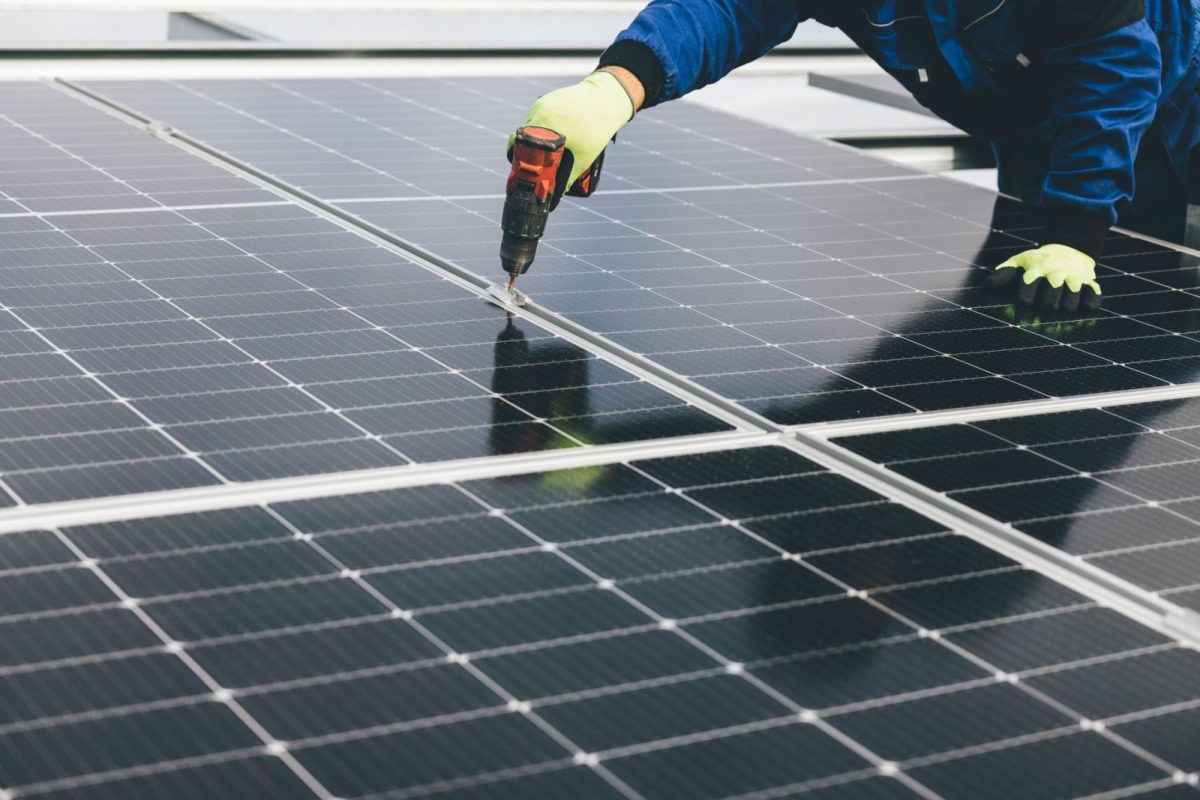
Now the fun arithmetic. To size the array, take your average daily kWh use and divide by your location's usable peak sun hours. Across most of India that figure sits around 4 to 5 hours per day on an annual average, though it drops in the monsoon and rises in dry, high-irradiance regions.
Here is a worked example I use often. A home consuming 15 kWh per day, divided by 4.5 sun hours, needs roughly 3.3 kW of array. I then add about 20 percent for system losses (heat, dust, wiring, inverter conversion), which lands near a 4 kW system. That headroom is the difference between a system that covers the bill and one that disappoints in July.
Roof space is the reality check. A modern 550 W panel needs about 2.5 square metres, so a 4 kW array of eight panels wants roughly 20 to 25 square metres of shade-free, south-facing roof. For the full method, including derating and roof-fit maths, see how to size a whole home solar system.
Orientation and tilt matter more than most people expect. In India, panels facing true south capture the most energy over a year, and a tilt roughly equal to your latitude is a sensible default. Even a modest east or west offset is usually acceptable, but a north-facing slope or a shadow crossing the array at 10 a.m. can quietly erase a fifth of your generation. I walk the roof at different times of day, or use a shading app, before I commit to a layout.
| Daily use | Approx array (with losses) | Panels (550 W) | Roof space |
|---|---|---|---|
| 8 kWh/day | ~2 kW | 4 | ~12 sq m |
| 15 kWh/day | ~4 kW | 8 | ~22 sq m |
| 25 kWh/day | ~6.5 kW | 12 | ~35 sq m |
Matching the Inverter
The inverter is the brain, and its rating should sit close to your array size, usually within a DC-to-AC ratio of about 1.1 to 1.3. A 4 kW array pairs well with a 3 to 3.5 kW inverter in a mild overload design, which lets it run at full output more of the day.
Check three things beyond wattage: the number and voltage range of MPPT inputs, the maximum DC input voltage, and whether the unit is on-grid, off-grid, or hybrid. A hybrid inverter costs more but future-proofs you for batteries. On-grid units are cheaper and simpler where net metering is strong.
String voltage is where beginners get bitten. Cold mornings raise a panel's open-circuit voltage (Voc), and a string that looks fine at noon can exceed the inverter's maximum on a chilly December dawn. I always run the temperature-corrected numbers using the method in String Sizing: Voc, Temperature, and Limits before finalising panels per string.
Wiring, Earthing, and Protection
This is the part quotes love to skimp on, and it is exactly where I refuse to. A solar system carries DC voltages that do not self-extinguish an arc the way low-voltage AC does, plus your roof is a lightning target. Correct cable sizing, DC and AC isolators, fuses, and proper earthing are what keep the system safe for twenty-five years.
Safety warning: DC solar wiring and rooftop work can be lethal. Live PV strings cannot simply be switched off in daylight, and a bad earth can send fault current through you. Do not attempt final DC connections or mains tie-in yourself. Hire a certified installer and read our disclaimer before acting on any figures here.
Two protections I never leave out are a dedicated earthing electrode for the array frame and a surge protection device (SPD) on the DC side. On one hillside install I commissioned, the SPD absorbed a nearby lightning strike and saved a five-figure inverter; the neighbour without one lost his. The full method is in Earthing and Surge Protection for Solar Systems.

Net Metering and Indian Approvals
In India, an on-grid or hybrid design only pays off if net metering is set up correctly. Net metering lets your meter run backwards when you export surplus, and you are billed on the net. Rules, caps, and settlement periods differ by state DISCOM, so confirm your local policy before sizing for export.
Design implication: many DISCOMs cap the sanctioned solar capacity to your connected load or a percentage of it, so you may not be allowed to oversize freely. I always check this early. The mechanics are explained plainly in Net Metering in India, Explained Simply.
Approvals also gate the timeline. You typically need DISCOM feasibility approval, a net-metering agreement, and inspection before commissioning, and MNRE subsidy eligibility depends on using approved models and empanelled vendors. Work through Solar Permits and Approvals in India: A Checklist so paperwork does not stall your project. Official scheme details live at the Ministry of New and Renewable Energy.
A Step-by-Step Design Walkthrough
Here is the exact sequence I follow on a real job, from blank page to a system ready for quotes. Do them in order; skipping a step is how designs go wrong.
- Collect 12 months of bills and calculate average daily kWh use.
- Do an appliance load assessment to confirm consumption and peak demand.
- Choose the system type: on-grid, off-grid, or hybrid.
- Estimate usable sun hours for your location and roof orientation.
- Size the array from daily kWh divided by sun hours, plus a loss margin.
- Check roof area and shading; adjust panel count to fit.
- Select an inverter matched to array size, MPPT count, and type.
- Run temperature-corrected string sizing to set panels per string.
- Specify cables, isolators, fuses, earthing, and surge protection.
- Confirm net-metering rules and file DISCOM and MNRE approvals.
If you want to see this playbook applied end to end on a live roof, I documented my own build in I Built a 5 kW Rooftop Solar System: My Journey, including what I would change with hindsight.
Budget and Payback Reality Check
Design is not finished until the numbers make sense financially. A well-designed on-grid rooftop system in India commonly pays back in roughly four to seven years, depending on your tariff, subsidy, and how much you self-consume. Hybrid systems cost more upfront because of batteries and pay back slower, but they buy you backup that on-grid cannot.
Do not let a low quote tempt you into skipping protection hardware or undersized cable; that saving reappears as failures later. For a grounded look at real costs and returns, see Rooftop Solar Cost and ROI in India (2026).
Common Design Mistakes and Myths
Over a few dozen installs I keep seeing the same avoidable errors: sizing off the hottest month, ignoring shading from a single tree or water tank, mismatching inverter and array, and treating earthing as an afterthought. Each one quietly steals output or reliability.
There is also a lot of folklore. No, panels do not need direct blazing sun to work at all, and no, a bigger inverter is not automatically better. I unpack these in Solar System Design Mistakes to Avoid and Solar System Myths vs Facts, Debunked. For general PV performance context, the US National Renewable Energy Laboratory publishes solid, non-commercial reference data.
If your situation is fully off-grid, the sizing logic changes because you must design around days of autonomy and battery depth of discharge. That deserves its own treatment, covered in How to Design an Off-Grid Solar System.
Design for Monitoring and the Future
A design I am happy with is one I can watch and grow. I always specify an inverter with proper monitoring, either built-in Wi-Fi or a data logger, so the owner can see daily generation and catch a failing string before it costs a season of output. Without monitoring, a shaded or dead panel can go unnoticed for months.
I also leave headroom for what comes next. If a client might add an electric vehicle charger or batteries in a couple of years, I size the roof layout, cable runs, and ideally the inverter so that expansion is a change, not a rebuild. Choosing a hybrid-ready inverter up front is often cheaper than swapping the whole unit later.
Finally, document everything: the single-line diagram, panel and inverter serials, and warranty papers. When something needs service in year eight, that folder is what makes the fix quick instead of a guessing game.
Frequently Asked Questions
How do I know what size solar system I need?
Take your average daily electricity use in kWh from your bills and divide it by your area's usable sun hours, then add about 20 percent for losses. That gives your array size in kW. Confirm it against your roof space and, in India, your sanctioned load cap.
Should I choose on-grid, off-grid, or hybrid?
If your grid is reliable and net metering works, on-grid is cheapest and simplest. If you face frequent long outages, hybrid adds battery backup while keeping grid benefits. Pure off-grid only makes sense where there is no usable grid connection at all.
Can I design and install a solar system myself?
You can absolutely design it on paper and understand every choice. But final DC wiring, mains tie-in, and net-metering connection should be done by a certified installer for safety and to qualify for subsidy and approvals. DIY the planning, not the live connections.
How much roof do I need for a home solar system?
As a rule of thumb, plan on roughly 5 to 6 square metres of shade-free roof per kilowatt with modern panels. A typical 4 kW home system needs about 20 to 25 square metres facing south or nearly south for best year-round output.
Do I need batteries in my solar system?
Only if you want backup during outages or you are off-grid. On-grid systems with net metering use the grid as a virtual battery, which is far cheaper. Add batteries when outage resilience matters more than the extra upfront cost and slower payback.
Conclusion
Designing a home solar system is not magic; it is disciplined arithmetic built on your real usage, followed by honest choices about type, sizing, safety, and paperwork. Get the load and system type right first, size the array and inverter to match, never cut corners on protection, and confirm your net-metering and approvals early. If you take one thing away, let it be that the bill drives the design. When you are ready to go deeper on any step, start with our companion guide on sizing a whole home solar system and build your plan from there. Curious who is behind this advice? Read more about us.